As producers, we must reconcile the growing pressure for sustainable production with the expectations of consumers they still want to have choices, including the option to buy combustion cars.
The response to these conflicting requirements is the technological openness strategy implemented by the BMW Group, according to which we simultaneously develop various drives, flexibly adapting the offer to market needs. Thanks to this, we move smoothly between trends that today set the tone for the entire industry.
Read also in BUSINESS INSIDER
Decarbonization stands out among the loudest trends. As consumers, we are increasingly aware of how our decisions affect the environment and the future of our planet. Today we analyze the entire carbon footprint of vehicles, including emissions, production, fuel consumption and recycling.
In this context, technologies such as renewable diesel HVO 100which has been recognized by the BMW Group as one of the directions of action for sustainable transport, may revolutionize the industry, offering up to 90 percent lower CO2 emissions compared to traditional fuels.
Thanks to e-fuels, it is also possible to continue using combustion engines with zero CO2 emissions, which opens up new opportunities for the automotive industry in the fight for cleaner air. Instead of banning the production of combustion cars from 2035, the EU's CO2 framework should be updated.
Current regulations are based solely on tailpipe emissions and assume an unrealistic, too-fast pace of electrification. What is needed is a model that takes into account the “life-cycle” approach, i.e. the assessment of the full life cycle of a vehicle. This means, among others: introducing an emission correction factor for renewable fuels, more realistic utility factors for PHEVs and secure, digital tracking of certified zero CO2 fuels.
Sustainable production – concrete actions by BMW
How our cars are made is equally important. At the BMW Group, we have been implementing a sustainable production strategy for years, based on simple yet demanding principles that set new standards – Re:Think, Re:Duce, Re:Use and Re:Cycle. We can already see tangible results of this approach: in the new BMW iX3 as much as 30 percent. parts come from recycled materials.
In turn, the newly opened factory in Debrecen is the first one powered exclusively by renewable energy sources. However, this is just the beginning – we plan to introduce even more advanced solutions as part of the Neue Klasse platform. The production of future models is to be based on higher standards of sustainability and circular economy.
This is a direction that not only reduces our dependence on external raw materials, but also shows how to fully combine the brand with responsibility for the future.
Digitization and AI are changing the face of the automotive industry
It is impossible to talk about the automotive industry without referring to digitalization and AI. By 2035, as many as 74 percent cars will be defined by software and artificial intelligencewhich drives increasing investments in the development of SDVs. We consistently follow this path, presenting the Neue Klasse electronic architecture, which is a breakthrough in this field.
But the transformation doesn't end with the vehicle – the same software-first approach is also revolutionizing the way cars are made. Thanks to artificial intelligence, we create “digital twins” – virtual factory models that allow us to test various scenarios, anticipate potential problems and immediately respond to changes.
Vehicles on the production line will become active participants in the industrial ecosystem, conducting independent analyzes and communicating with factory workers in real time.
The automotive industry of tomorrow: responsible, intelligent and sustainable
Automotive is no longer just about vehicles – it's about how we combine technology, sustainability and innovation. What we do at the BMW Group sets the direction for the entire industry: the cars of the future will be intelligent, flexible and tailored to customer expectations – also in the environmental field. And we will carry out this transformation responsibly and with passion.
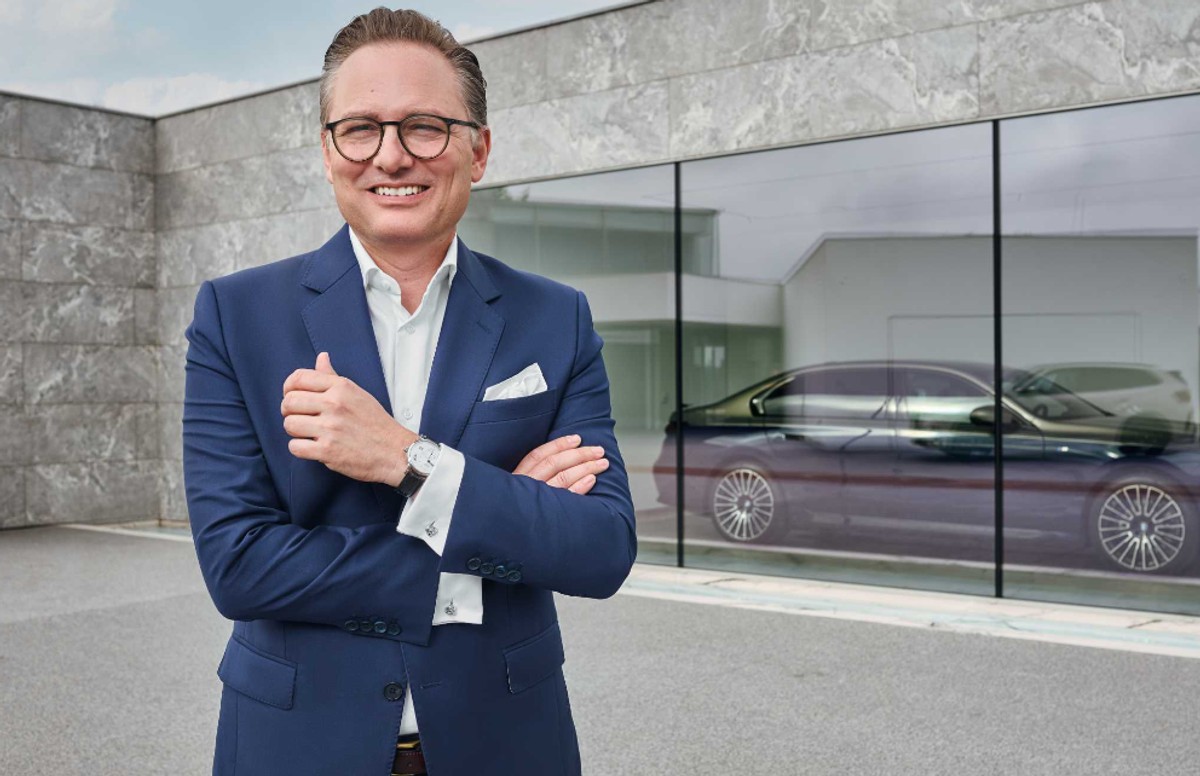
Author: Alexander Baraka, managing director of BMW Group Polska