2025-04-19 18:00
publication
2025-04-19 18:00
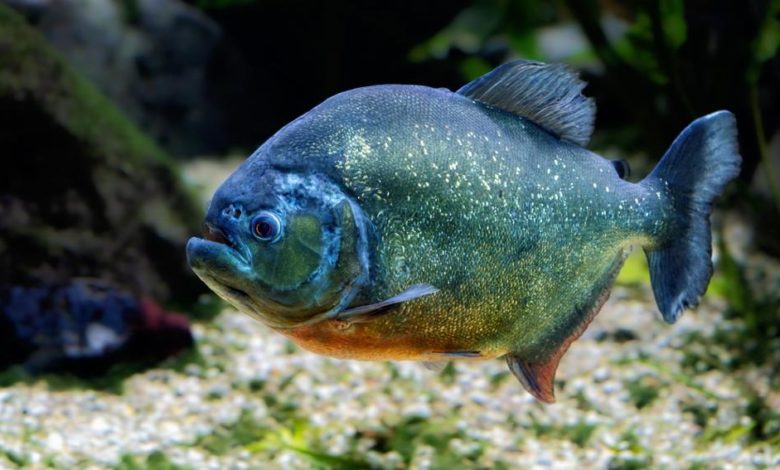
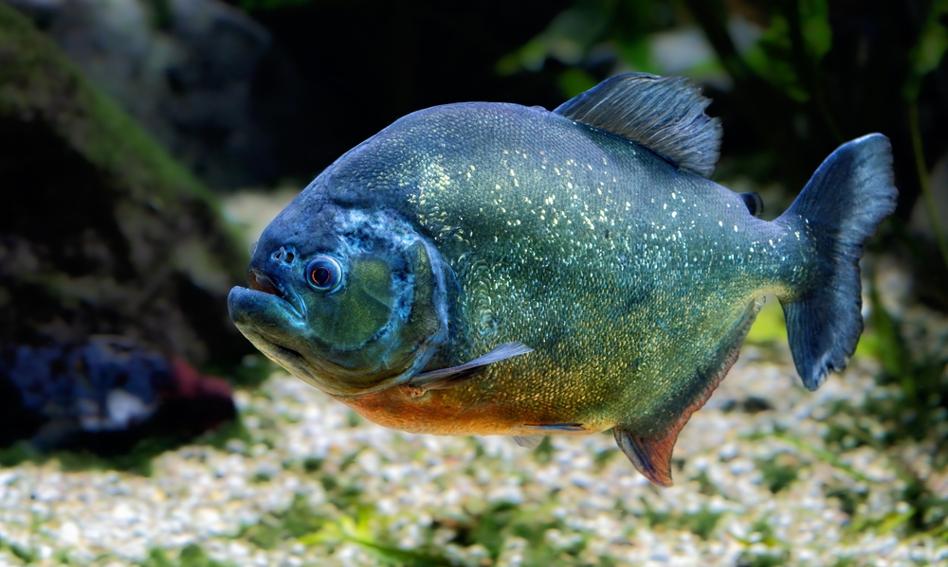
Hydrobiologists have observed with concern on the Lubatówka River, in the vicinity of Krosno in Podkarpacie, wild bamboo bisset thickets, recognized in many regions of the world as a foreign invasive species. Ecologists are also concerned about the appearance of Giant Misanthus in the natural environment. Pirania was fished out of the San.
In the publication in “Scientific Reports” for the first time describes the presence of the wild population of the Bamboo Phyllostachys Bissetia in Europe. It was also warned about the possible invasion that Misanttes can cause – high grasses planted as decorative plants.
“There is an urgent need to raise awareness among gardeners, hobbyists, sellers and plant importers about environmental threats resulting from the spread of invasive plants” – the authors of the article point out. Bioinvasion is easier to stop if it is detected early and reacts quickly.
“Let's not undress the plants that we grow in the garden,” – Aneta Bylak, Prof. University of Rzeszów, appealed in an interview with PAP.
The Polish hydrobiologist mainly studies the Ecosystems of the Carpathian rivers. She told with concern that some residents get rid of plant residues from their gardens, throwing them on the banks of nearby rivers and streams, hoping that “water will take it”. The hydrobiologist, however, warned that this is a careless approach – especially if foreign species are bred in the gardens – it can be a source of large ecological problems.
The researcher explained that Bambus Bisseta comes from Asia and Europe is a foreign species. “A whole group of species of the genus Phyllostachys is called +Running Bamboos + – it's +running bamboo +, which is even impossible to stop,” she described. These bambooes come from China, many of them are frost -resistant and easily spread through underground rhizomes. “Such bambooes even under asphalt are able to + go + to the other side of the road,” the expert pointed out.
She noted that if someone wants to breed these plants in the garden – they should install root barriers so that the bamboo does not get out of control. You also need to be careful with the remains of plants, because bamboo can even grow from a fragment of the stem. “Up to a 10 -centimeter piece of an above -ground stem can be rooted again,” explained the ecologist. And she joked that there was no way to count on dealing with the invasion of pandas, for which bamboo is a delicacy.
The risk of invasion also carries the cultivation of a giant miscantic – high decorative grass. This plant reaches three meters and is bred as a decorative plant. Environmentalists noticed that the clumps of Miscanthus are already appearing on Polish rivers.
The researcher explained that Bambus Bissete and Miskant do not yet belong to invasive plants in Poland, so they can be sold and bought without restrictions. But – based on the experiences of other countries – maybe you will have to enter them on the list of invasive foreign species before they get out of control.
Bamboo and missions are sometimes planted in the gardens, because they grow quickly, do not require complicated treatments, look attractive and create compact, green screens covering the garden from the eyes of passers -by. What can be a plus for owners of home gardens, for wildlife can be a great downside: the ease of multiplying and spreading of the plant means that biodiversity in its mastered is falling quickly.
Foreign invasive species also include Canadian naves, ash -colored maple, glandular impatiens, tailor -colored spiked, and even walnut.
Prof. Bylak also told about foreign animal species with which she encountered in her research of Polish rivers. Researchers met, for example, red -legged turtles – which probably bored owners freed into the environment, not guessing that they are a huge threat to biodiversity. “And once we even caught Pirania in San. Fortunately, it was a harmless herbivorous genre, and besides, as a tropics, he would not survive winter with us,” she assured.
The expert informed that local authorities are responsible for removing foreign invasive species in Poland. This should be informed about the observation of foreign species threatening biodiversity. A photo of the habitat with geolocation can also be sent to the Institute of Nature Conservation of the Polish Academy of Sciences, which keeps records of foreign species.
Ludwika Tomala (PAP)
lt/ bar/ jpn/