2025-10-25 14:00
publication
2025-10-25 14:00
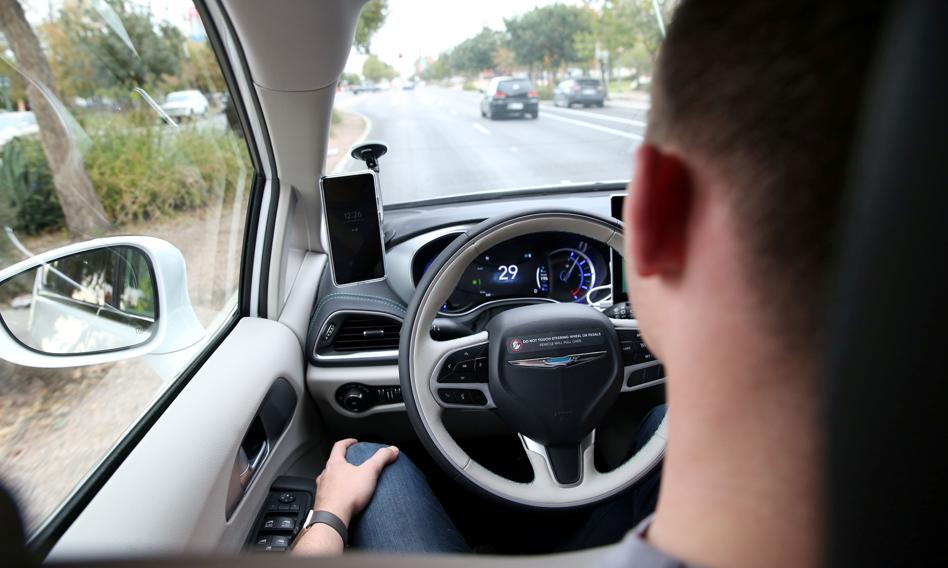
87 percent surveyed representatives of the automotive industry believe that autonomous driving will become standard by 2030 – according to a report by KPMG. Moreover, 91 percent respondents indicated that by 2030 the industry will be much more dependent on cooperation with other sectors.
In the “Global Automotive Executive Survey” report, KPMG pointed out that the transformation of the automotive sector goes beyond traditional technological and business frameworks. According to the report's authors, electrification, digitalization and new ownership models are changing the entire value chain in the industry – from access to raw materials, through vehicle design, to customer interaction.
“It is increasingly clear that competitive advantage is no longer determined by the scale of production or production costs alone, but by the ability to integrate technologies, create partnerships (especially with the new information technology industry) and quickly adapt operating models to diverse regulations and market expectations,” emphasized Przemysław Szzywacz from KPMG, quoted in the report.
According to the report, the autonomous car market is expected to reach a value of approximately USD 122 billion by 2030, growing at an average annual rate of 23% in 2025–2030. At the same time, 87 percent representatives of management staff believe that autonomous driving will become standard by 2030. At the same time, the importance of digital and subscription services is growing – 78%. respondents believed that they would increasingly replace the traditional model of car ownership.
According to Szzywacz, Poland has the potential to become an important hub for electromobility and the production of new generation components, but the condition will be quick adaptation to current trends. In his opinion, funds from the KPO and the new EU financial perspective may help in this, provided they are spent effectively on projects contributing to the development of the electromobility ecosystem in Poland.
“The challenge will be the rising costs of wages and energy as well as its emission intensity, which is increasingly a parameter taken into account by automotive companies when choosing locations for new investments or when placing orders. The geopolitical situation will also have an impact – support for tariffs on electric vehicles from China, the armed conflict in the East and the tense situation on the border may also affect the decisions of industry investors.” – he pointed out.
Moreover, 91 percent surveyed industry representatives indicated that by 2030 the automotive industry will be much more dependent on cooperation with other sectors, especially in areas such as battery technology, cloud infrastructure or artificial intelligence. At the same time, 77 percent companies believe that alliances and partnerships are key to further business growth.
KPMG is a global organization of independent companies providing audit, tax and economic advisory services. KPMG operates in 142 countries, including Poland. (PAP)
fos/ mrr/ gor/