A baby gorilla, the subject of a dispute between Turkey and Nigeria. “There is no logic in the actions of the Turkish government”


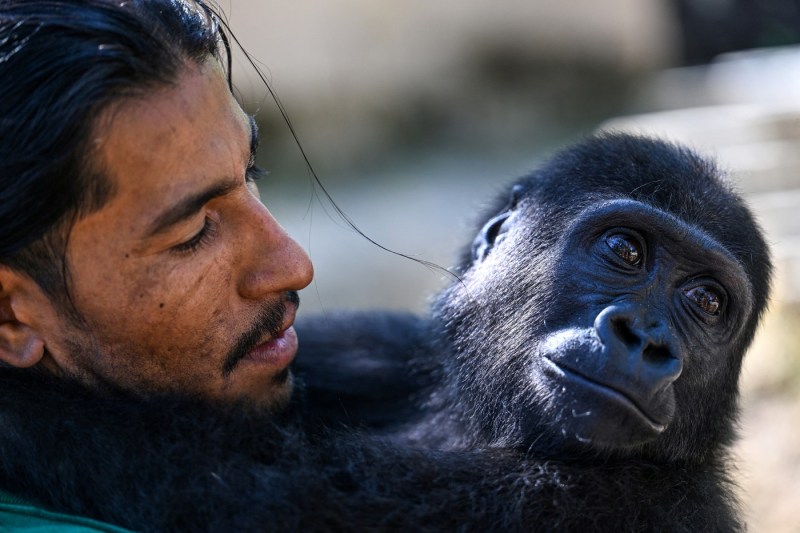
Zeytin the gorilla with a zookeeper in Istanbul Photo: Ozan KOSE / AFP / Profimedia
Turkey's decision to keep the baby African gorilla saved from trafficking “doesn't make any sense”, said Saturday the director of the Nigerian wildlife sanctuary that was preparing to receive Zeytin before returning to his natural habitat, reports AFP, taken by Agerpres.
The primate was discovered, when he was five months old, at Istanbul airport in a wooden box placed in the hold of a Turkish Airlines plane coming from Nigeria and heading to Thailand. The cub was then placed in a zoo located in the hills near Istanbul to recover.
Nigeria requested the gorilla's return to the wild, and Turkish conservation authorities launched the process, which they halted after a DNA test confirmed that Zeytin belonged to a species not native to Nigeria.
On Friday, Turkish officials announced that Zeytin would not be returned to Nigeria, but would remain in a zoo in Turkey. The Pandrillus Foundation in Nigeria was preparing to house Zeytin with another young gorilla of the same subspecies before sending them both to a sanctuary in a central African country.
“We are extremely disappointed. There is no logic in the Turkish government's actions,” Pandrillus Foundation Director Liza Gadsby told AFP. “Even if Turkey doesn't want to send him to Nigeria, but directly to a gorilla sanctuary, that's fine. But they have to do the right thing for this animal,” she added.
“They did the right thing when they initially seized it,” but keeping it in Turkey “is against all the obligations they have as signatories to CITES,” Gadsby said.
Turkey invokes exactly this Convention on International Trade in Endangered Species of Wild Fauna and Flora for the decision to keep the baby gorilla.
The sanctuary also houses a gorilla, which was confiscated by the Nigerian border guards more than ten years ago. Following Turkey's decision, Gadsby said the Nigerian center would begin the process of reintroducing the other gorilla into its natural habitat on Monday. “I never intended to keep it,” she said.
According to Traffic, a British NGO specializing in the protection of wildlife, the trade in baby apes is increasing: more and more buyers are trying to turn them into pets or use them in zoos, circus companies, shows and on social networks.
Baby gorillas are particularly affected by this phenomenon, because they are very maneuverable and easy to transport, emphasized the representatives of the NGO Traffic.