We are facing extreme risks in financial markets – more dangerous than inflation, Donald Trump's tariffs, or even the risk of more wars. This was the conclusion reached by the world's most important hedge fund managers in a Bank of America survey published in mid-October. The fear of a stock market crash is nothing new – but it hasn't been felt like this in a long time.
Even giants like Jeff Bezos are now talking about a bubble. The founder of Amazon points out that investors are currently unable to distinguish good ideas from bad ones. Alarmist statements are now almost commonplace, such as those of British analyst Julien Garran, who talks about the “biggest and most dangerous bubble of all time.” According to his calculations, the scale of erroneous investments is 17 times greater than in the case of the burst of the Internet bubble in the 1990s and four times greater than in 2008 on the US real estate market. Geissbuehler from Raiffeisen bank tells us what to pay attention to and how to prepare for possible shocks.
The example of Nvidia, currently the most valuable company in the world, is particularly impressive. The American chipmaker has a market capitalization of over $4 trillion. (PLN 14,610 million, calculated at the current exchange rate) – as much as all listed Swiss companies and the entire French CAC40 index combined.
Geissbuehler therefore calls for caution.
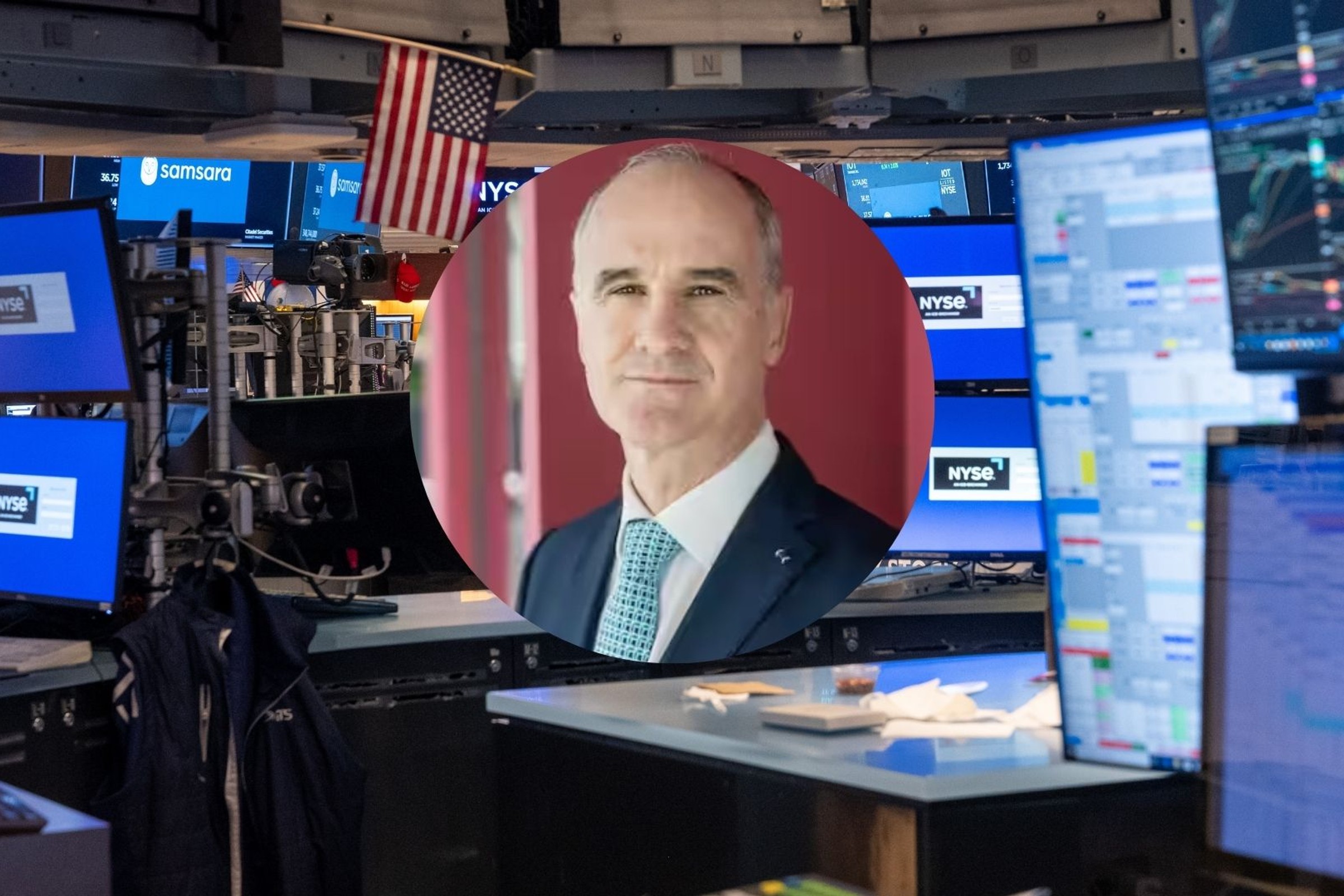
— This shows that AI companies' stock prices are largely exorbitant at the moment. Moreover, it remains a controversial issue how huge investments in artificial intelligence infrastructure can be transformed into profits in the near future – an expert comments on the current market situation in an interview for the Swiss website Handelszeitung.
The key question now is what stage the bubble is in – at the beginning, in the middle or at the end.
The article continues below the video
But it's not just the question of when the AI bubble will burst that's crucial — it's also how strong its impact would be. Correction by 10 to 20 percent. is part of the cycle and many experts describe it as “healthy”. However, anything beyond this range may have noticeable consequences. However, the expert advises against panic and encourages reasonable diversification of your portfolio. In the case of Switzerland, he cites a stable investment in pension funds as an example.
“While Americans invest heavily in equities, the share of equities in private equity in Switzerland is relatively low,” Geissbuehler further points out.
“That's the irony”
Geissbuehler also makes a comparison with the past. “The most obvious similarities are with the dot-com bubble,” he explains. “Then it was driven by internet fantasies, this time it's artificial intelligence. In both cases, technological innovations and trends are at the center.”
When the bubble burst, the American technology index Nasdaq 100 lost approximately 70% in two years. its value – even though the Internet eventually gained popularity around the world.
And therein lies the irony. Even if the AI bet generally pays off and AI changes our lives in the long term, the market may still overheat in the short term. The primal fear of a crash remains a faithful companion of financial markets for a reason.
I’m Ashley Davis as an editor, I’m committed to upholding the highest standards of integrity and accuracy in every piece we publish. My work is driven by curiosity, a passion for truth, and a belief that journalism plays a crucial role in shaping public discourse. I strive to tell stories that not only inform but also inspire action and conversation.