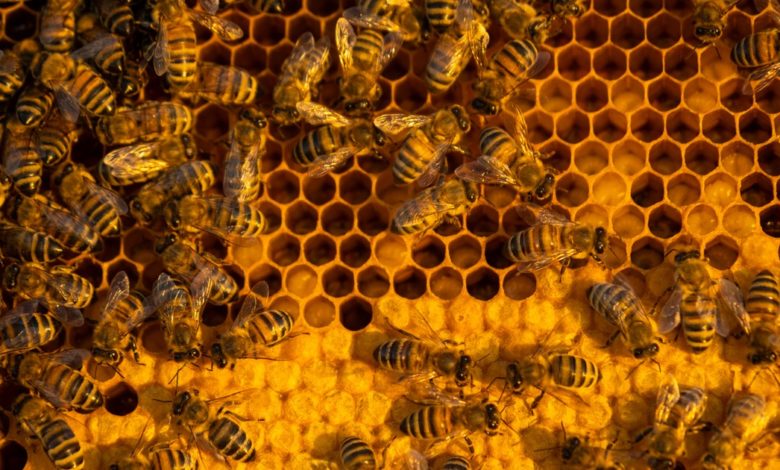
Conflicts around the world mean that farmers excessively exploit the available land and reduce the variety of crops, which in turn limits the availability of food for wild polishing insectsaccording to the new report published on Tuesday – on World Bee Day – by the Bee: Wild and University at Reading organization.
Heavy metal pollution, another widespread side effect of wars, also poses a threat to the species.
– Dippers are of key importance for our food systems, resistance to climate change and economic safety. Protection of pollinators means protecting ourselves – says Simon Potts, a professor of sustainable land management at the University of Reading and the main author of the study.
Scientists identified other emerging threats to bees, including microplastic, air and light pollution and pesticides.
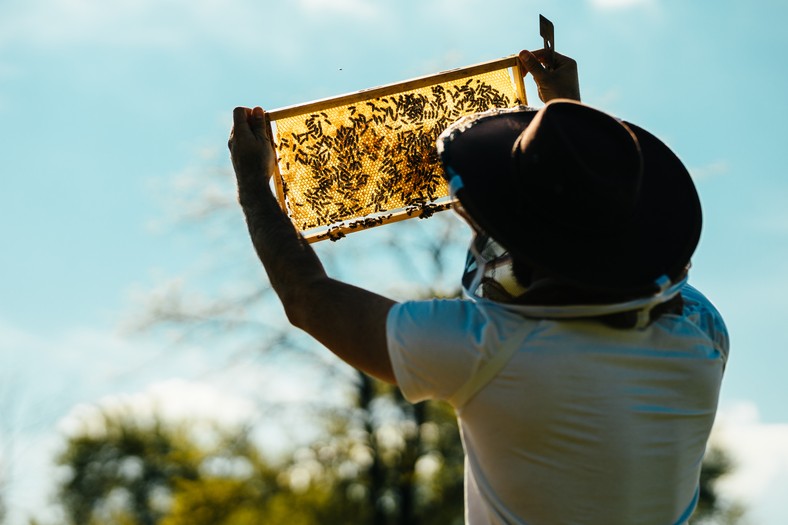
Beekeeper. Illustrative photo
The report notes that some actions aimed at fighting climate change may also harm pollinating insects, indicating the goal of the European Commission consisting in planting 3 billion trees until 2030.which can reduce biological diversity. Increased in rooms and extracting metals used in batteries also destroys the natural habitats of wild pollinators.
The report calls on decision -makers to strengthen the regulations regarding pollution and limit the use of pesticides. Although the EU prohibits the use of some pesticides harmful to pollinating insects, Romania broke the banincluding in January, which revealed weaknesses in the enforcement of regulations.
The report also called international organizations and economic blocks, including the European Union, to cooperate with global policy of pollinating insects. The EU regulation was praised on the reconstruction of nature, adopted in June 2024 as “a big step forward”.