
Russia's energy influence in Central Asia is eroding, and investors who continue to bet on Moscow risk significant losses.
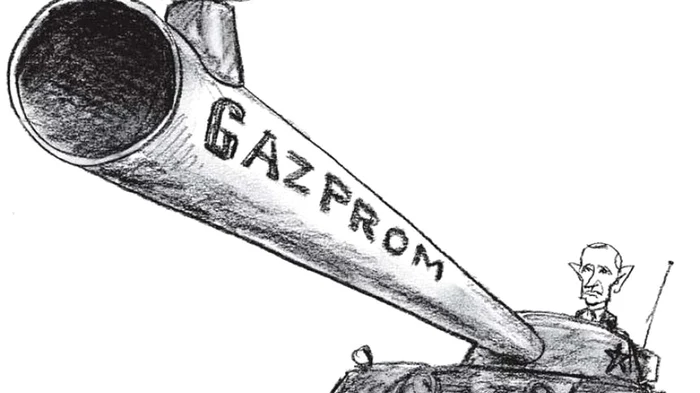
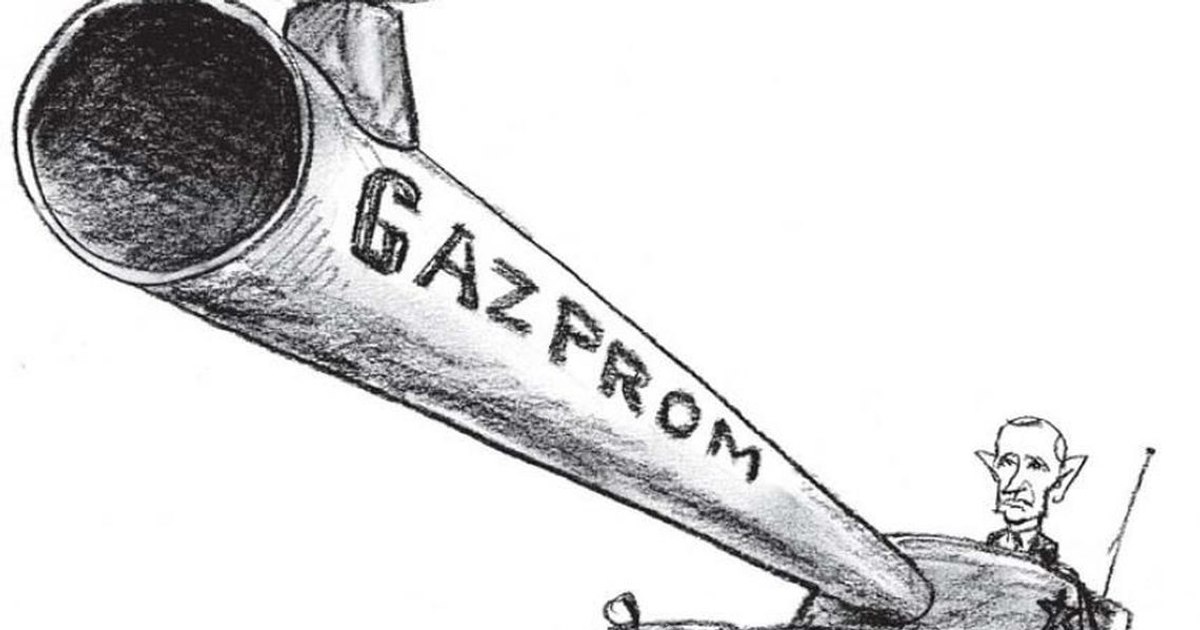
Gazprom, Russia's flagship company that Putin is bankrupting/PHOTO: Archive
For decades, Russia's power in the region rested on energy infrastructure – an extensive network of oil and gas pipelines built to link the economies of northern Kazakhstan, Turkmenistan and Uzbekistan to the Russian market and beyond to global exports. These ties have generated revenue for Russian companies and geopolitical influence for the Kremlin.
Today, however, these connections have increasingly become a burden, at a time when Russia is waging a war in Ukraine and facing severe international sanctions, Euromaidan Press writes.
Pipelines still under Moscow's control
Next, most Kazakh crude reaches the Black Sea port of Novorossiisk via the Caspian Pipeline Consortium (CPC). Uzbekistan and Kyrgyzstan depend on fuel imports from Russia, including through short-term natural gas contracts. Even Turkmenistan, which exports almost all of its gas to China, factors Russia's position into its trade decisions.
Over time, Moscow has used its control of transit routes to exert pressure on the Kazakh capital, Astana. At the same time, the contracts signed by Gazprom with Tashkent have a political significance that exceeds the economic value. For many states in the region, Russia continues to be the supplier of last resort.
Links fueling the war effort
After Europe drastically reduced energy imports from Russia following the 2022 invasion of Ukraine, these regional relationships have softened the economic impact on Moscow. Russia gains revenue from transit fees and retains the ability to block Kazakhstan's main export route. Gazprom's exports to Uzbekistan have risen from just over one billion cubic meters in 2023 to more than five billion in 2024 – an important source of revenue and a signal of continued dependence.
Turkey and Iran have solidified their own roles in this equation. Turkey still imports gas through the TurkStream and Blue Stream pipelines, while also transporting Kazakh oil that transits Russian territory. Through swap agreements, Iran offers Russia alternative methods of redirecting energy flows, thereby reducing the impact of sanctions and indirectly supporting the Kremlin's war budget.
Signs of weakening Russian control
However, the system built by Moscow is beginning to fall apart.
China has become the main buyer of energy in the region. Turkmen gas goes almost exclusively to the east, with financial and logistical support from Beijing. Kazakhstan and Uzbekistan are rapidly developing their energy partnerships with China at a pace that Russia cannot match.
Turkey, on the other hand, is benefiting from European energy diversification. It is home to the Southern Gas Corridor, which carries Azeri gas westward and may in the future include gas from Central Asia. In parallel, Kazakhstan began to send more oil via the Caspian Sea route to Turkey, avoiding Russian territory entirely.
If sanctions on Iran are eased, Tehran could open access to southern ports to the Persian Gulf, further reducing Moscow's importance in energy transit.
Meanwhile, Russia's ability to supply resources remains fragile: refineries are targeted by Ukrainian attacks, access to Western technology is restricted, and foreign investment is on the wane.
The withdrawal argument
Russia's ability to maintain strong energy relations with Central Asian states is in decline and will erode over the next five years. Investors who continue to support Russian projects not only indirectly support the military effort against Ukraine, but also expose themselves to significant financial risks – frozen assets, unsafe contracts and reputational damage.
Withdrawing capital is not only an ethical gesture, but also a strategic one.
Redirecting investment to alternative routes—Caspian exports to Turkey, expanding pipelines to China, or indirect energy deals with Iran—help break up Russia's coercive energy grid. At the same time, investors are aligning themselves with the emerging realities of the energy market: a world where Moscow is no longer an indispensable hub, but a declining actor.
Changing regional dynamics
Central Asian states are already taking concrete steps to reduce their dependence on Russia. Kazakhstan has announced the development of a new port at Kostanay and the modernization of existing ones on the Caspian Sea coast, under a project called the “Middle Corridor” – a maritime alternative to land routes through Russia.
Energy production in the region reflects this shift: Kazakhstan dominates in crude oil, Turkmenistan in gas – each feeling distinct pressures from Moscow.
Another important signal came in August 2025, when Azerbaijan and Armenia – two major players in the regional energy market – signed a peace agreement that could ensure energy independence for both states.
An inevitable choice
Russia's war in Ukraine forces the former Soviet republics to make a clear decision: diversify or remain trapped in the war economy promoted by Moscow.
Russian energy has never been just a commodity. It was an instrument of influence, whose impact depends on increasingly fragile regional relations. Disinvestment at this time is not only the right moral choice – it is, above all, a wise strategic decision.


