László Krasznahorkai, Nobel laureate for literature, critical voice to the Orban government: “Is it a psychiatric case. How can it be neutrality when the Russians kill people?”

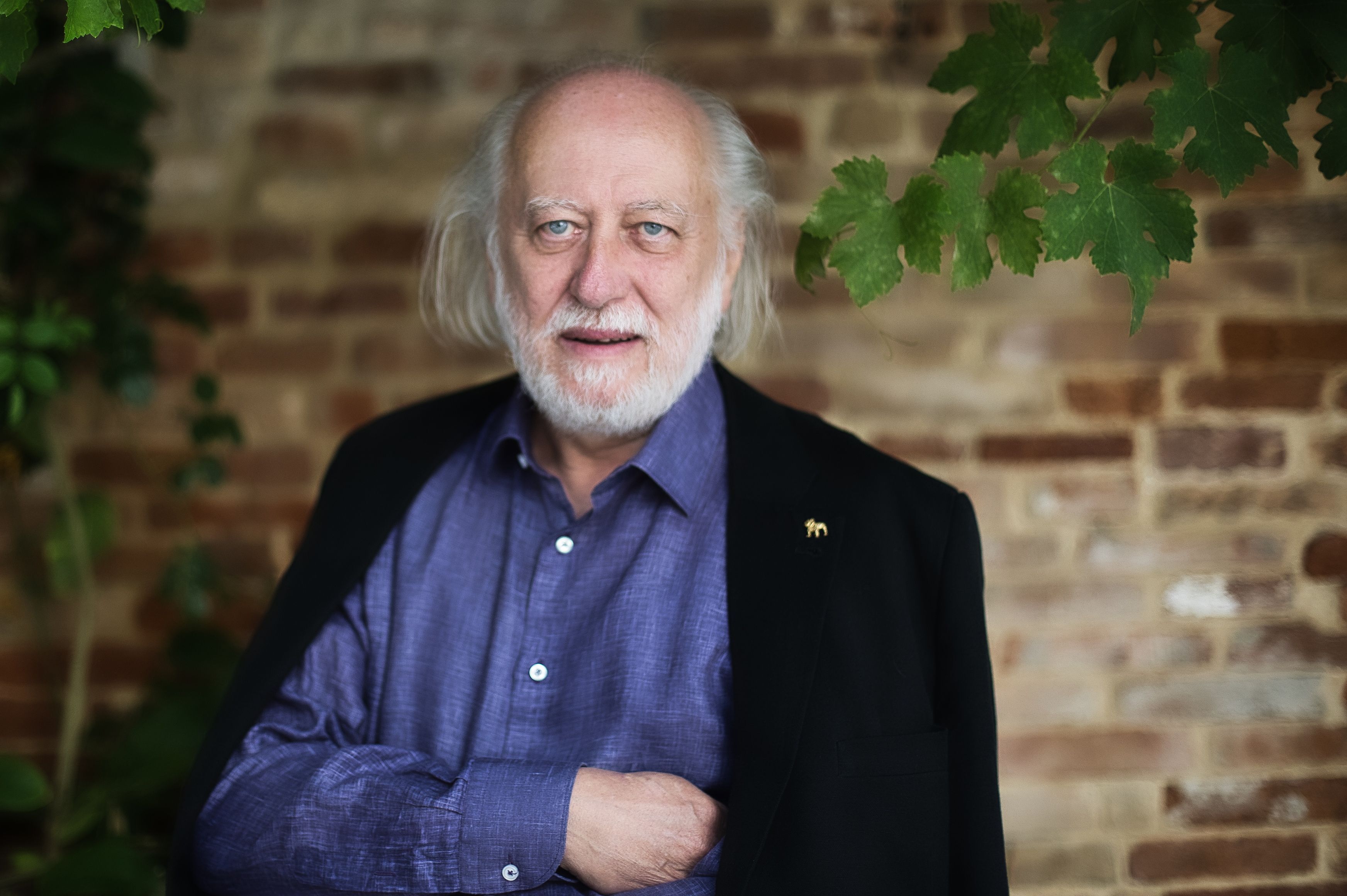
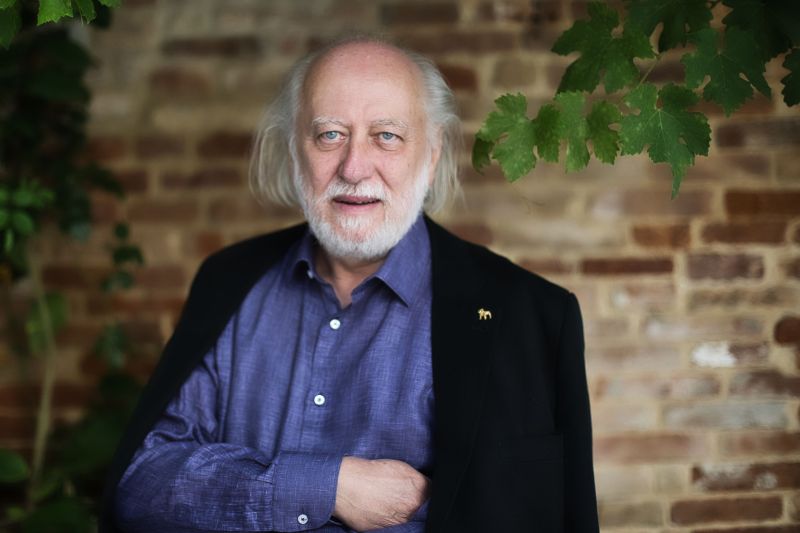
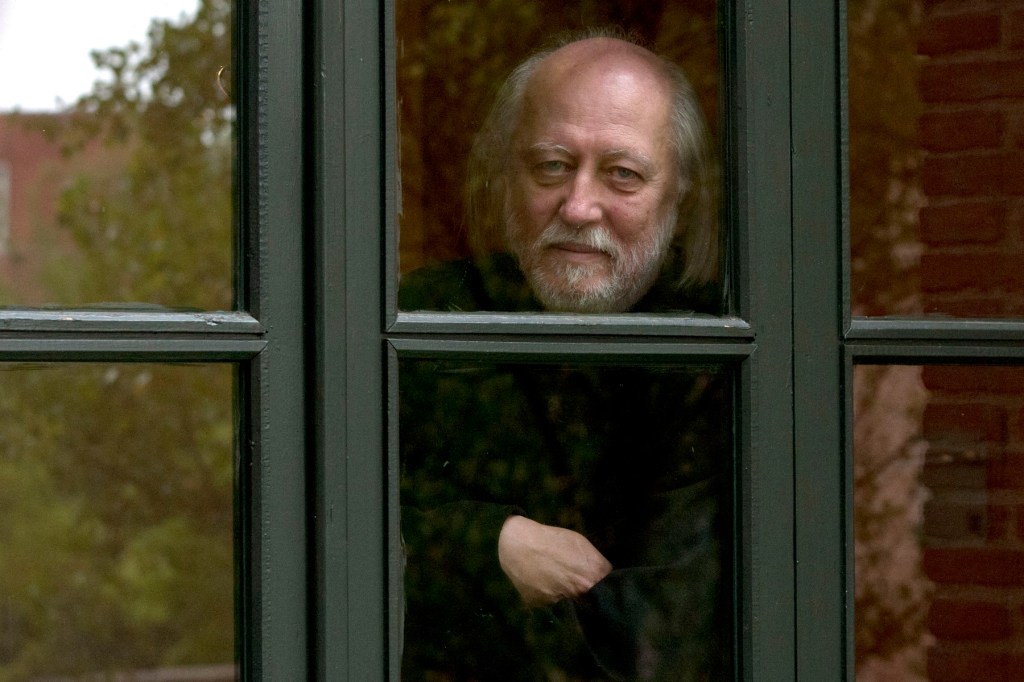
László Krasznahorkai. Photo: Mirco Toniolo – Errebi / Shutterstock Editorial / Profimedia
Hungarian writer László Krasznahorkai, Winner of Nobel Prize for Literature 2025harshly criticized the position of the Budapest government compared to the Ukraine war, in an interview recently published in the American Magazine The Yale Review. The author described the “neutrality” promoted by Prime Minister Viktor Orbán as an inhuman attitude and “a psychiatric case”, saying that “he cannot accept that people kill other people.”
The winner of the Nobel Prize for Literature 2025 said, in an interview published in February 2025 in the American magazine The Yale Review, conducted by the British writer Hari Kunzru, that what is happening in Ukraine reminds him of the great wars of the last century.
“The First World War is repeated, in essence?! What do I think? It fills me with horror. Hungary is a neighboring country with Ukraine, and the Orbán regime adopts an unprecedented position, almost not encountered in our history.”
 Who is László Krasznahorkai, the Hungarian writer awarded with the Literature Nobel in 2025
Harsh critics to Viktor Orban
The Hungarian writer criticizes the idea of neutrality of Prime Minister Viktor Orbán and says it is impossible for a country to remain neutral when its neighbor is invaded.
“I could never imagine that Hungary's political leaders talk about a so-called neutrality in this matter! How can a country be neutral when the Russians invade a neighboring country? And they have not killed Ukrainians for almost three years?
“A dirty, rotten war”
Writer László Krasznahorkai adds that Hungary has been invaded by the Russians in the past and believes that the position of the current government is devoid of logic and humanity.
“This Hungarian regime is a psychiatric case. There is an inhuman calculation behind him:” Maybe they have already killed my daughter, but I prefer to accept this if I do not hurt my mother. “
Krasznahorkai also says that he cannot get used to the idea of war and that he considers him “crazy of the modern world”, who talks about technology and future while people die in trenches: “A dirty, rotten war, is unfolding under my eyes. The world begins to get used to it.
“All this happens while, in the digital space, there is a vision of the future that promises that the dizzying advance of technology will soon bring a beautiful, new world. This is a total madness. While a fundamental 20th century war is unleashed, someone talks about how we will go to Mars.
Krasznahorkai then talks about the idea of apocalypse, one of the topics that frequently appear in his books. He does not see the end of the world as a sudden event, but as a continuous process.
“Revelation is not a single event, as the prophecy of the Judgment then presents it. Apocalypse is a process that lasts for a long time and will continue for a long time. Apocalypse is now. Apocalypse is a continuous judgment.”
“Hope belongs to the future, but the future never comes”
The writer states that hope is always related to the future, but that the future never comes, and the only real time is the present.
“We can only deceive ourselves with the future; hope always belongs to the future. And the future never arrives. Only what exists now, it really exists. Hell and heaven are both on earth, and they are here. Now. We must not wait.”
Who is László Krasznahorkai, winner of the Nobel Prize for Literature 2025
The Swedish Royal Academy of Sciences announced on Thursday that the Nobel Prize for Literature 2025 was awarded to the Hungarian writer László Krasznahorkai “for his impressive and visionary work that, in the middle of the apocalyptic terror, reaffirms the power of art.”
Born in 1954, in the city of Gyula, close to the border with Romania, Krasznahorkai is the author of novels such as “Sátántangó”, “Melancholy of Resistance” and “Baron Wenckheim's home”, known for its hypnotic style and themes related to the collapse of the modern world. In Romania, his work is published by the Three / Anans Publishing House.
“László Krasznahorkai is a great epic writer in the tradition of Central Europe, which extends from Kafka to Thomas Bernhard and is characterized by absurdism and excess grotesque. But his palette is wider, and he also looks to the east in adopting a more contemplative and finely calibrated tone,” notes the Academy of the Royal Academy. officially accompanying the winner's announcement.