Why Romania remained behind a chapter that attracts a lot of foreigners in other European countries, although “we have top infrastructure – fast internet, accessible living costs”


Ranking in the 7th place in 55 countries in Digital Nomad Index 2025 made by Visaguide, Romania is among the most attractive destinations in the world for digital nomads, offering quick internet, accessible costs, various landscapes and a dynamic urban life. And although there is a visa dedicated special to digital nomads, MAE says that “it has not noticed a real interest for now”, but that it is not officially promoted. In other European countries, on the other hand, the number of those requesting this visa, thus contributing to the country's economy, has increased from year to year. Even tripled. What does Romania do differently?
- The article is part of the PULSE project, an international journalistic consortium in which Hotnews is a part and providing the public documented and diverse perspectives, with information from several countries, about issues of great public interest.
- The article was written by Ana Tepșanu (HotNews-Romania), along with Marina Kelava (H-ater.org-Croatia), Albert Sanchis (El Confidential-Spain) and Kostas Zafeiropoulos (Efsyn-Greece).
Appeared in 2020, in Estonia, visas for digital nomads have become more and more common in several countries, as the work remote has taken over. Romania also officially recognizes this concept of “Digital Nomad” in 2002, having a special visa in this regard, according to the Government Emergency Ordinance no. 194/2002.
Basically, according to a response of the Ministry of Foreign Affairs for Hotnews, this category is in part, and can get a long -stay visa to live in the country, foreign citizens working for a company outside Romania or who have such a company.
According to the normative act, the digital nomad is a person outside the country working online, either as an employee, or as the owner of a company, provided that the company is registered outside Romania and the activity is carried out through the technology of information and communications, from a distance.
In order to come legally to Romania for an extended period, these foreigners can apply for a long -stay visa for other purposes, noted with the D/AS symbol.
“We have top infrastructure”
In the Digital Nomad Index 2025 ranking made by Visaguide, Romania is in 7th place. But “in recent years, I have not noticed a spectacular growth in the interest of digital nomads,” says Lidia Garofeanu, the founder “Nomad in Transylvania”.
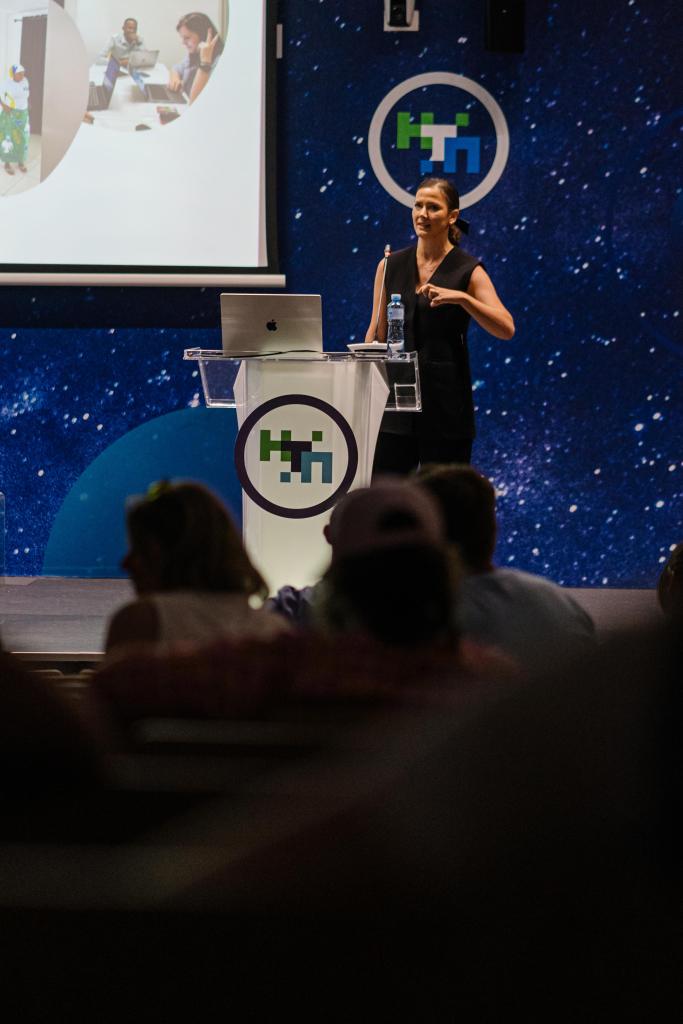
She has set up this project to organize working and holiday experiences in the most beautiful places in Romania, dedicated especially to digital nomads or professionals who can work from anywhere with a laptop and a good internet connection.
Specifically, it creates a frame where foreigners (but also Romanians) who work remote can meet, temporarily together, explore authentic cities or villages, and, at the same time, continue their professional activity.
It draws attention to the low interest, stressing that “our infrastructure is top”: “We have fast internet, affordable living costs, various landscapes and friendly people. Unfortunately, authorities have not promoted sufficient destination or have not used digital visa as a true ash.”
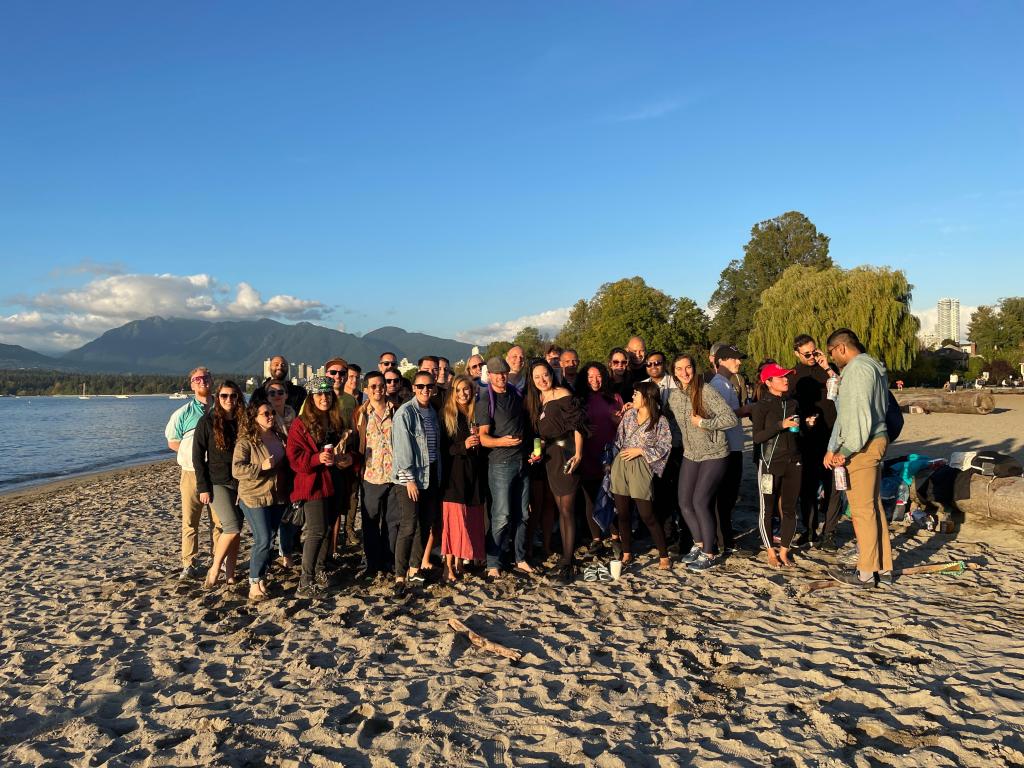
She also recalls that other countries in the region have managed to develop on this plane. It calls Croatia and Estonia, two countries that “managed to position themselves very well, offering not only facilities, but also creating an attractive brand.”
“Your new office”
Both countries were among the first to introduce this type of visa, and since then they have managed to attract more and more people.
For example, when launched the visa, in 2021, in Croatia, a country with almost 4 million inhabitants, a campaign was launched by the National Tourism Office of the country, called “Croatia, your new office”.
Initially, the visa was issued for a period of 12 months, but now it was extended to 18 months. With these visas, Croatia had, in 2024, 629 digital nomads – from the United States, Russia and Ukraine. Increasing compared to the previous year, when 532 such visas were offered, but in front decrease 2022 when there were 780 such visas.
And besides these people, there are many digital nomads in the EU in Croatia, who do not need such a visa, underlines the Croatian publication, H–terter.org, in the hotnews analysis.
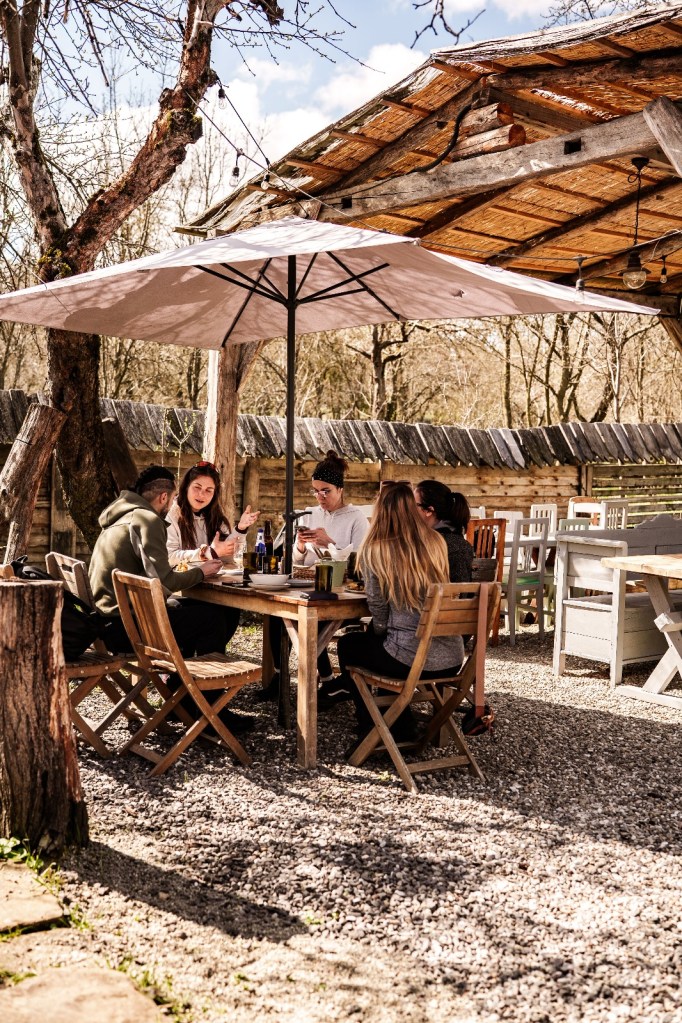
The country that tripled its number of visas for digital nomads from one year to another
In Spain, the country that introduced visas for digital nomads in the same year as Romania, the numbers are much larger. In 2024, 27,875 visas for digital nomads were granted. The number was almost triple compared to the previous year, when 9,568 such visas were granted.
According to El Confidential data, most digital nomads came from North America, the United States or Canada, but also from countries in South America.
And they have a major contribution to the country's economy, the Spanish publication points out. “This category of professionals stimulates local consumption – they pay rent, go to the city, restaurants and cafes, but they also pay taxes, and in addition, they bring new visions and contribute to the Spanish entrepreneurial system,” writes El Confidential, in the common analysis, made with Hotnews.
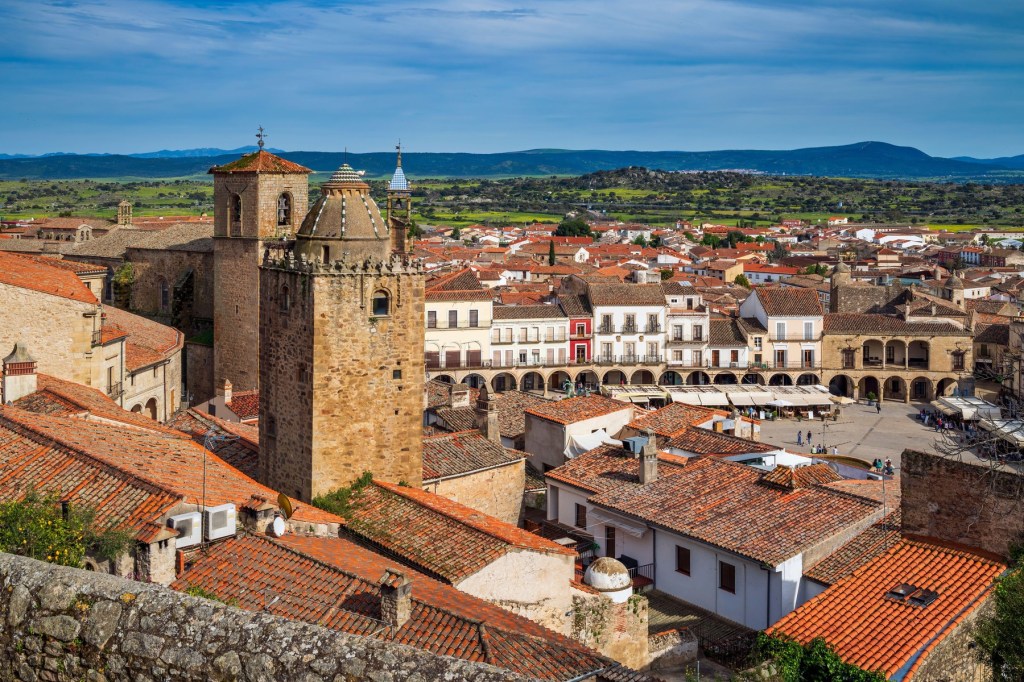
The publication recalls that digital nomads are so appreciated that some cities have offered special conditions to attract them. In the Extramadura region, on the border with Portugal, the authorities offered up to $ 15,000 to those who decided to move and work in the region.
Increasing interest in Greece and
In Greece, a country that started to release such visas from 2021, one year before Romania, the number of visas of this kind has increased from year to year.
In 2022, he issued 191 such visas, and in 2023 – 136. In 2024, however, the number of those who applied or obtained a digital nomad visa increased to 2,200.
How many digital nomads are in Romania? Mae says “it's not real interest”
Hotnews asked the Ministry of Foreign Affairs as many as such visas were granted, but the institution did not offer this number. Instead, he said that from the direct interactions with foreign citizens who request information about Romanian visas, he has not noticed so far a real interest for the digital nomad visa.
“From the permanent communication with third party citizens requesting information on the Romanian visa, so far the existence of their interest has been found to obtain visas as digital nomads,” the minisfer of foreign affairs said.
Authorities specify that they do not collaborate with international institutions or organizations to promote certain types of visas, including the one for digital nomads. Any interested person must be informed individually, accessing the official sources regarding Romania's visa policy, the visa policy at European level, as well as the type of visa he can request.
The ministry also emphasizes that, at this moment, it does not consider the modification of the legislation regarding the long -stay visa for other purposes (the category in which digital nomads are also included).
“Romania has potential, but for the moment the interest of the nomads comes rather on independent initiatives and the recommendations of those who discover the beauty of the places on their own,” says Lidia Garofeanu, for Hotnews.
What a program designed special for nomadic digitals in Romania looks and what are the main differences between the requirements for visas for digital nomads, a possible explanation for the low interest of foreigners, in the second part of the article, which will be published on the next days, on Hotnews.

The PULSE project is a European initiative to promote cross-border journalistic partnerships, co-financed by the European Commission (DG Connect) within Multimedia actions by Grant Agreement LC-0272862. HotNews.ro collaborates in the project with other prestigious publications in Europe: Delfi (Lithuania), Deník Referndum (Czech Republic), the largest Austrian newspaper Der Standard (Austria), some of the largest publications in Greece – Efsyn, El Confidential, Spain, the largest Polish newspaper Gazeta Wyborcza, the oldest analytical and information site. MediaPool, one of the largest HUVG HUVG and Italian newspaper with economic profile for 24 hours, one of the oldest and most powerful publications in the peninsula.
Three renowned transnational media organizations-OBCT (Italy), N-OST (Germany) and Voxerop (France) will coordinate the project activities.