Regardless of how abstract market capitalization can be and how much it can differ from the real assets of enterprises, trends on the stock exchange still shape the fate of the richest people in the world. And in recent weeks in the United States, the S&P 500 index has set five records in just 20 days. The capitalization of the American market currently exceeds $ 62 trillion. [225 bln zł]which is about half of the world capitalization.
Despite the frequent claims about the fall of the West, the increase in the importance of China and the creation of a new bipolar world, as of September 18, 2025, only three out of the 25 most valuable companies in the world were based outside the United States. In total, they accounted for only 10.8 percent. capitalization of the 25 largest companies – this is an unprecedented concentration of corporate wealth.
For decades, the luxurious lifestyle of Russian billionaires was seen as a sign of the country's transformation. At the beginning of the 21st century, when Russia's main economic forum took place, strangely, in London, a panel dedicated to “luxury as a national idea of Russia” perfectly matching the program. For many, wealth was seen as the only goal to strive for. Today, in the era of frequent military provocations, this idea seems absurd.
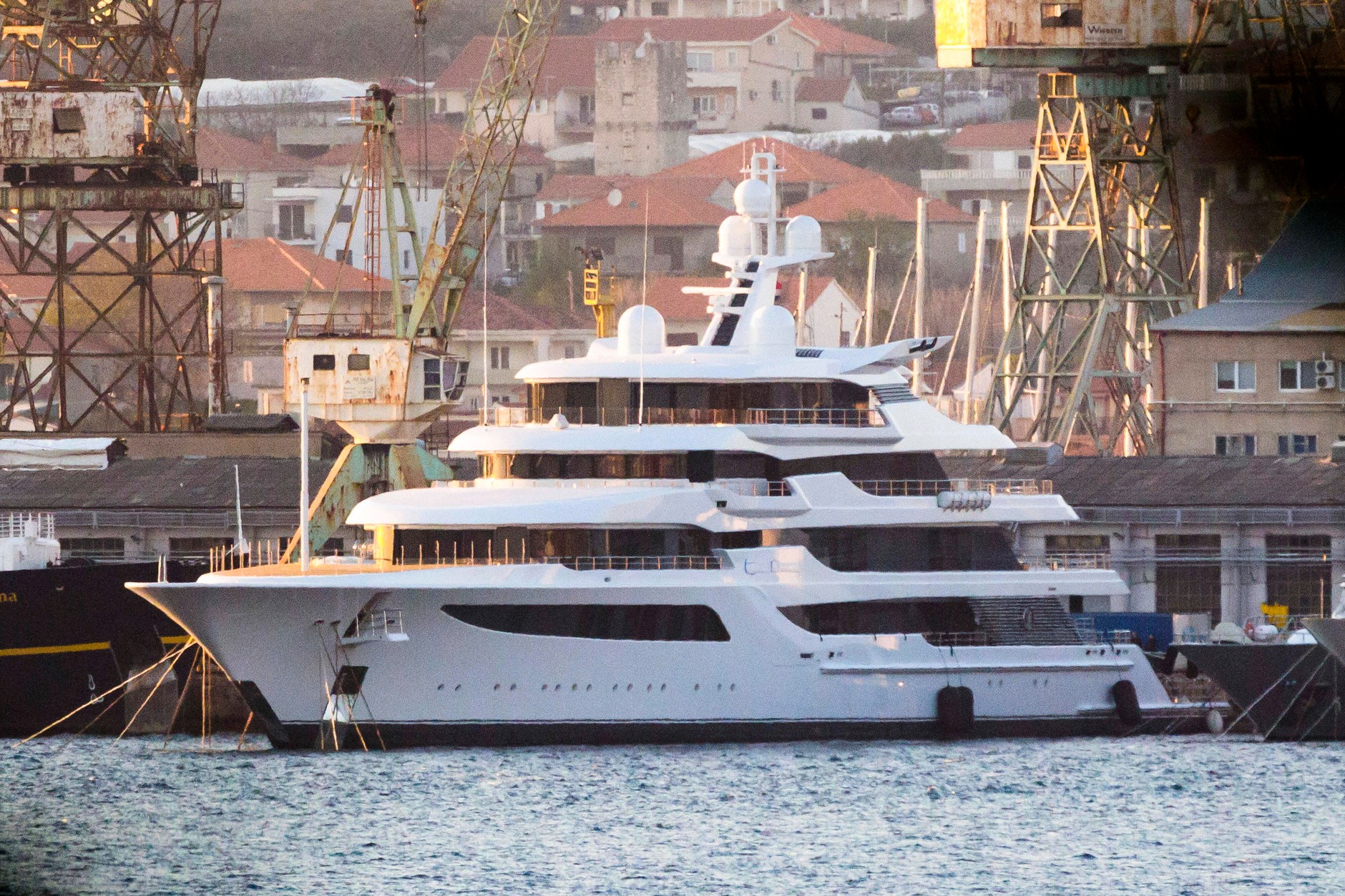
Royal Romance yacht associated with Russian oligarchs in Okrug Gornji near Trogir in Croatia, March 24, 2022.Miroslav Lelas / Pixsell / PAP
Mikhail Chodorkowski was probably the first billionaire in Russia, who at the end of the 90s, before the financial crisis in 1998, used a wave of a rapid increase in the value of enterprises. Detailed rankings covering the Russians appeared only at the beginning of the 21st century. From that moment, the list of Forbes magazine attracted more attention in Russia than data on GDP or household income statistics. Each new billionaire was celebrated by some as a national triumph, and condemned by others as a symbol of injustice.
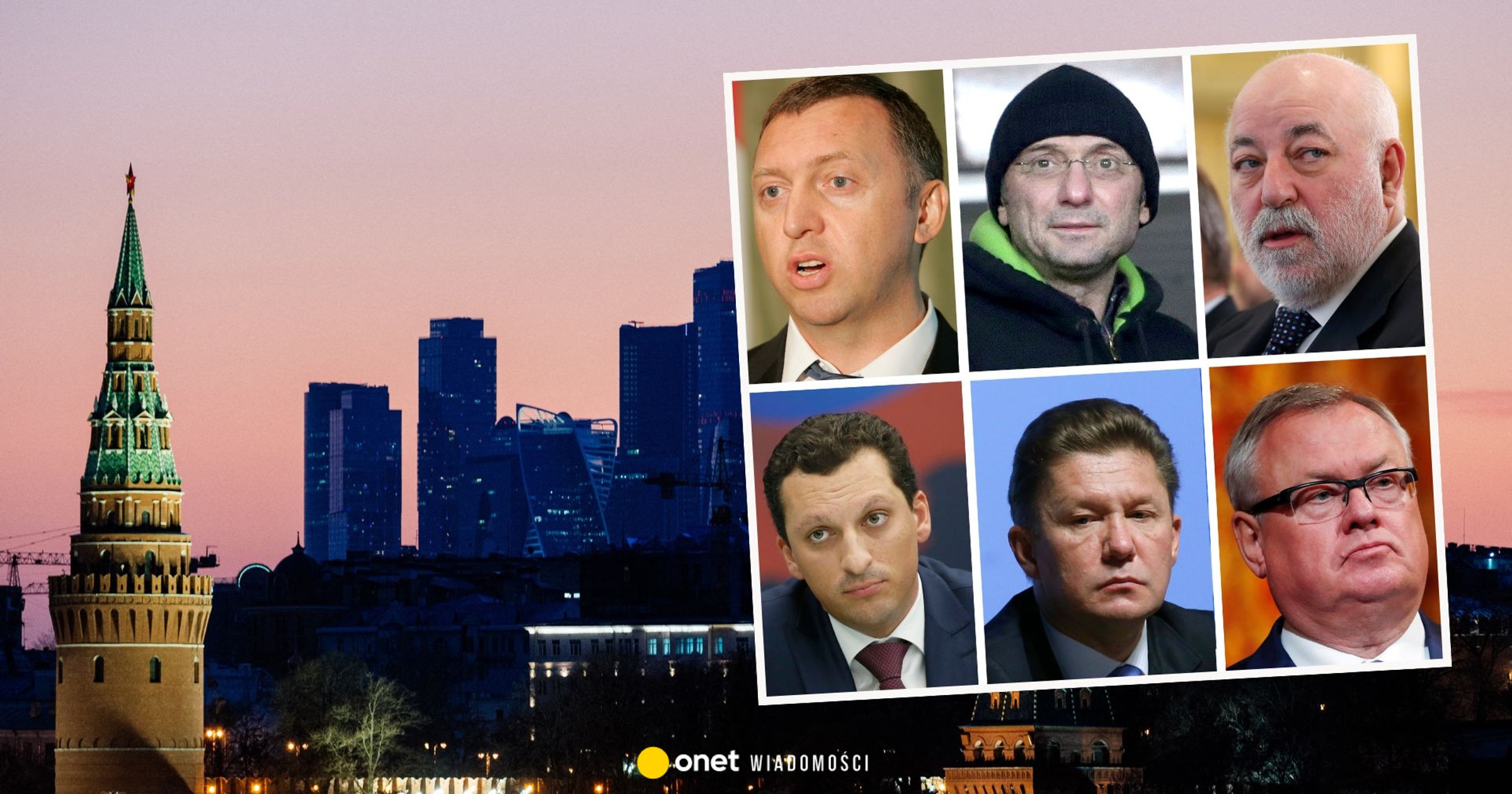
The attitude towards the rich was never neutral: it was said that they built their fortunes thanks to dishonest privatization or even crimes. However, admiration remained, and their wealth was still perceived as a reflection of Russia's global position. In 2008, Gazprom's head Alexei Miller promised that within 10 years the value of the company – for a short time valued higher than Microsoft – would reach $ 1 trill. [3 bln 635 mld zł] Currently, Gazprom's market capitalization is less than one percent. Microsoft's capitalization.
In 2007, at the peak of the Russian economic boom, the country was second in the United States in terms of the number of billionaires. Fourteen Russians were in the world of the richest, and the richest of them came in the middle of the third ten. Only six of them remained in 2025.
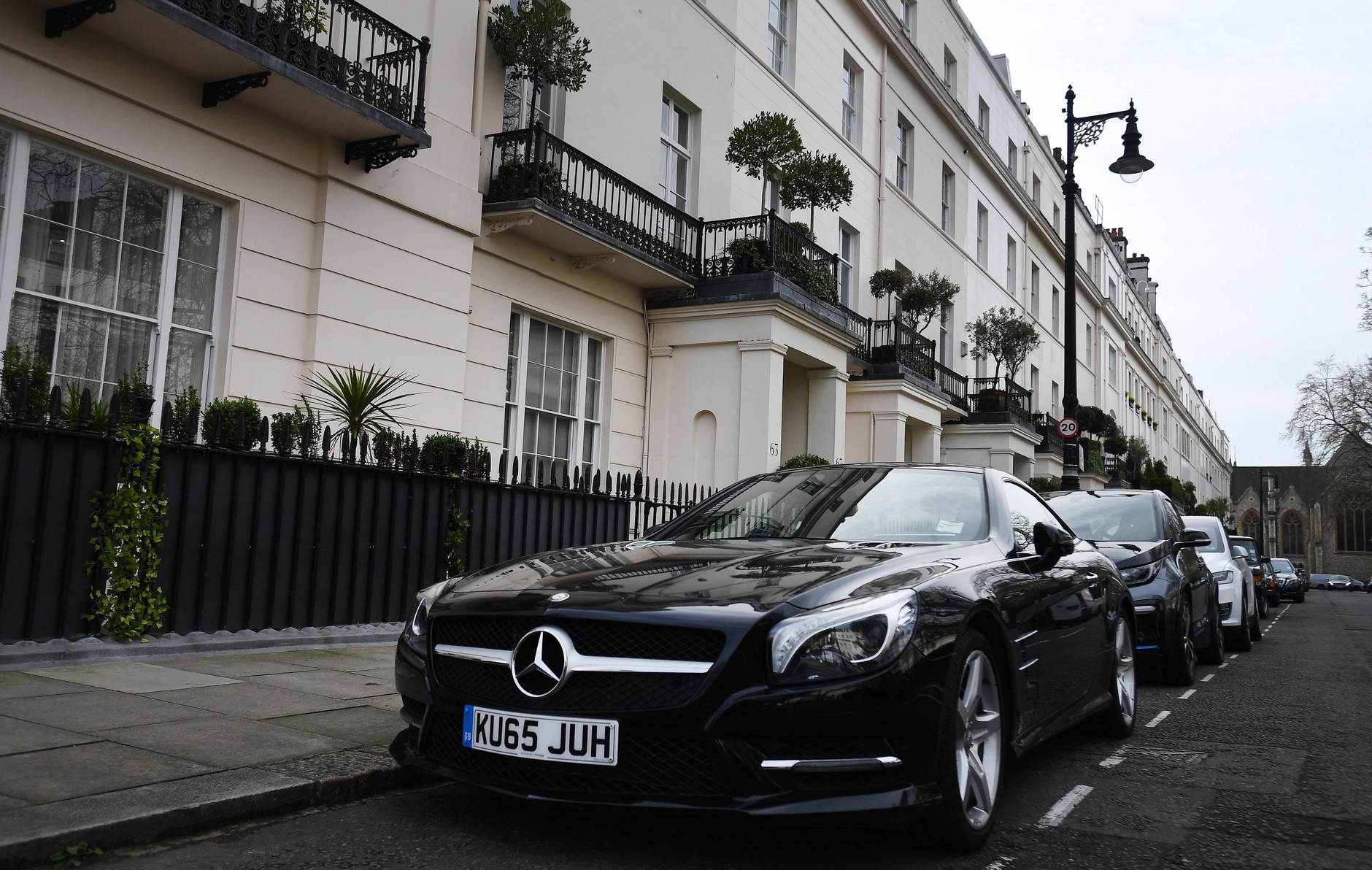
Belgravia's residences at Eaton Square belonging to the rich Russians, also known as “Londongrad”, London, Great Britain, March 15, 2022.Andy Rain / PAP
Gigantic decline
The contrast is huge: 20 years ago, their total assets were three times greater than Fortuna Bill Gates. Today, these six richest together are worth three times less than Elon Musk. On a national scale, Russia fell to fifth place, for the United States, China, India and Germany.
Meanwhile, estates in other countries are still growing. On September 10, the founder of Oracle, Larry Ellison, gained $ 101 billion in one commercial day. [ponad 367 mld zł] – This is more than the total assets of Alexei Mordaszów, Leonid Michalson and Vladimir Lisin. If this tendency persists, by the end of 2026 the total property of the 150 richest Russians may fall below the property of the richest person in the world.
Russian magnates have made fortunes to a large extent by accident, as well as oil -rich Arabic elites in the 70s and 80s. Most of them built their fortunes on natural resources or connections with the state authorities. Two -thirds of them owe their wealth directly privatization. Unlike their global counterparts, they failed to build lasting international enterprises.
There are several exceptions. FinTech project [innowacji technologicznych w dziedzinie finansów] Oleg Tinka, Plata, is currently valued at $ 1.5 billion. [5 mld 455 mln zł]. The Nebius Arkady Waoła is worth more than Yandex, the company he founded. Nikołaj Storonsky, with 25 percent shares in Revolut, valued at $ 75 billion. [niemal 273 mld zł]may soon become the richest entrepreneur from Russia. But Most of these “new Russians” have renounced citizenship or are close to this step. Those who remain are imprisoned.
Continued article under video material
Imprisoned in Russia
The activity of Russian entrepreneurs remains extremely limited to domestic markets or markets of neighboring countries. Even Chinese billionaires have built global companies, including innovative enterprises such as Bytedance, whose tiktok is valued at almost $ 340 billion. [1 bln 236 mld zł] – About half of the value of the entire Russian stock market. Whereas Russian wealth was associated with crude oil, retail and real estate, most of which were later lost as a result of connections with the Kremlin.
The location provided temporary protection. While Western governments were frozen by assets, Putin only imposed small taxes. However, this left billionaires exposed to confiscation of property and political control. Over the past three decades, large enterprises in Russia have gradually lost political influence, despite the growing wealth.
According to reports, in the 1920s, many leading entrepreneurs were nominal owners of assets controlled by people from the Kremlin circles. Their reduced influence was clearly visible when business attendance was compared during Putin's inauguration in 2024 with the inauguration of Trump in 2025.
Like their world colleagues, Russian billionaires are aging. The average age of global billionaires from the “Forbes” list is 67 years old, and in Russia almost 70 years. However, unlike other countries, the inheritance of property in Russia is very uncertain, taking into account the erosion of the rule of law.
The future of the Russian list of “Forbes” is unclear. The development of the Russian great business, which briefly took the country to the world elite, now looks like a historic accident at work. Within a few years, the last Russians may disappear from the list of 100 largest, leaving only memories of the transient era of unrestrained luxury.
I’m Ashley Davis as an editor, I’m committed to upholding the highest standards of integrity and accuracy in every piece we publish. My work is driven by curiosity, a passion for truth, and a belief that journalism plays a crucial role in shaping public discourse. I strive to tell stories that not only inform but also inspire action and conversation.