This text was created as part of the Axel Springer Global Reporters Network project, of which Onet is part.
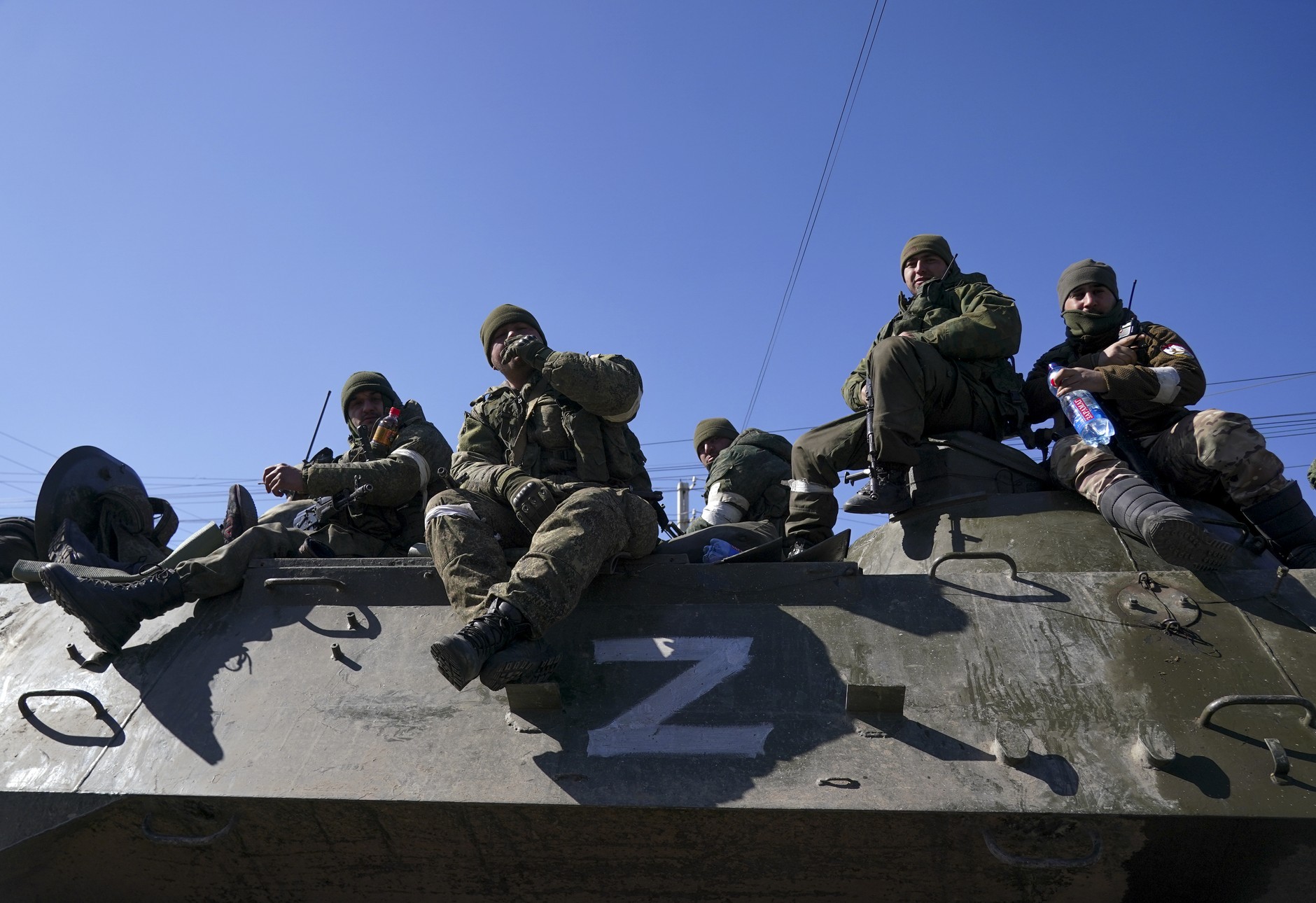
Fears of the escalation of the conflict are growing primarily in the Baltic countries. Anxiety arouses that Putin still considers Estonia, Latvia and Lithuania to be the zone of Moscow's influence.
Moscow wants to know if the alliance is united and what procedures he uses in response to provocations. – Currently, discussions are underway on how we can strengthen the eastern flank. First of all, countries bordering Russia or Belarus are very seriously treated by threats in a common airspace – explains Godliauskas.
The countries of the eastern flank analyze ways of reacting to provocations. Lithuania adopted a new law to shorten the response time and shoot down Russian drones faster – and this is only Vilnius's actions.
– For us in the region, the threat from Russia is nothing new. Moscow does not want to negotiate and currently escalates actions, using cyber attacks, sabotage of critical infrastructure, GPS interference and disinformation. As a result, our awareness is growing that we have to make more and find the right tools to counteract such attacks – says Godliauskas.
One of the reactions already used twice by the countries of the North Atlantic Alliance (Poland and Estonia) are consultations based on Article 4 of the NATO Treaty, which applies when a Member State believes that its integrity, political independence or security are at risk.
Continued article under video material
Godliauskas said that Western countries must adapt to a changed threat scenario. “Twenty years ago, almost no one thought about the conventional war, but rather about terrorist attacks.”
The war with Ukraine has shown that NATO must again build the ability to wage a conventional war. This includes new technologies such as drones, electronic war and artificial intelligence.
“We also need these abilities for credible deterrence,” said Godliauskas, referring to, among others to the need to respond in a definite way to increasingly frequent violations of the airspace of NATO countries by Russia.
“We are very grateful”
The commander of the Air Force and the Chief of General Staff of Lithuania currently have rights, in consultation with civil aviation, to quickly neutralize unmanned aerial vehicles. “In the new reality, the use of force may be necessary in the event of a violation of the airspace.”
– Many drones fly from Russia towards Ukraine. Ukraine has developed powerful electronic combat systems that disturb the operation of these drones, mislead them or interrupt their connections – he says.
– Such stray Russian drones were seen not only in Poland, but also in our country and over Latvia – he adds, referring to unmanned aerial vehicles that fly into NATO by Belarus. “Poland was warned by Belarus that drones are on the way. We also have a kind of hot line with Belarus for such cases, which is good.”
Lithuania, assured Godliauskas, is well prepared for the threat from Moscow. In the event of a threat, Vilnius will use all the means at the disposal of NATO. “We are very grateful that the German Bundeswehra supports Lithuania with its own brigade.”
I’m Ashley Davis as an editor, I’m committed to upholding the highest standards of integrity and accuracy in every piece we publish. My work is driven by curiosity, a passion for truth, and a belief that journalism plays a crucial role in shaping public discourse. I strive to tell stories that not only inform but also inspire action and conversation.