The publication refers to the comments of more than ten sources in Washington and New Delhi, who spoke anonymously.
Trump repeatedly publicly stated that he allegedly decided the military conflict between India and Pakistan. The publication notes that the conflict actually lasts more than 75 years, and it is much deeper and more complicated than Trump represents.
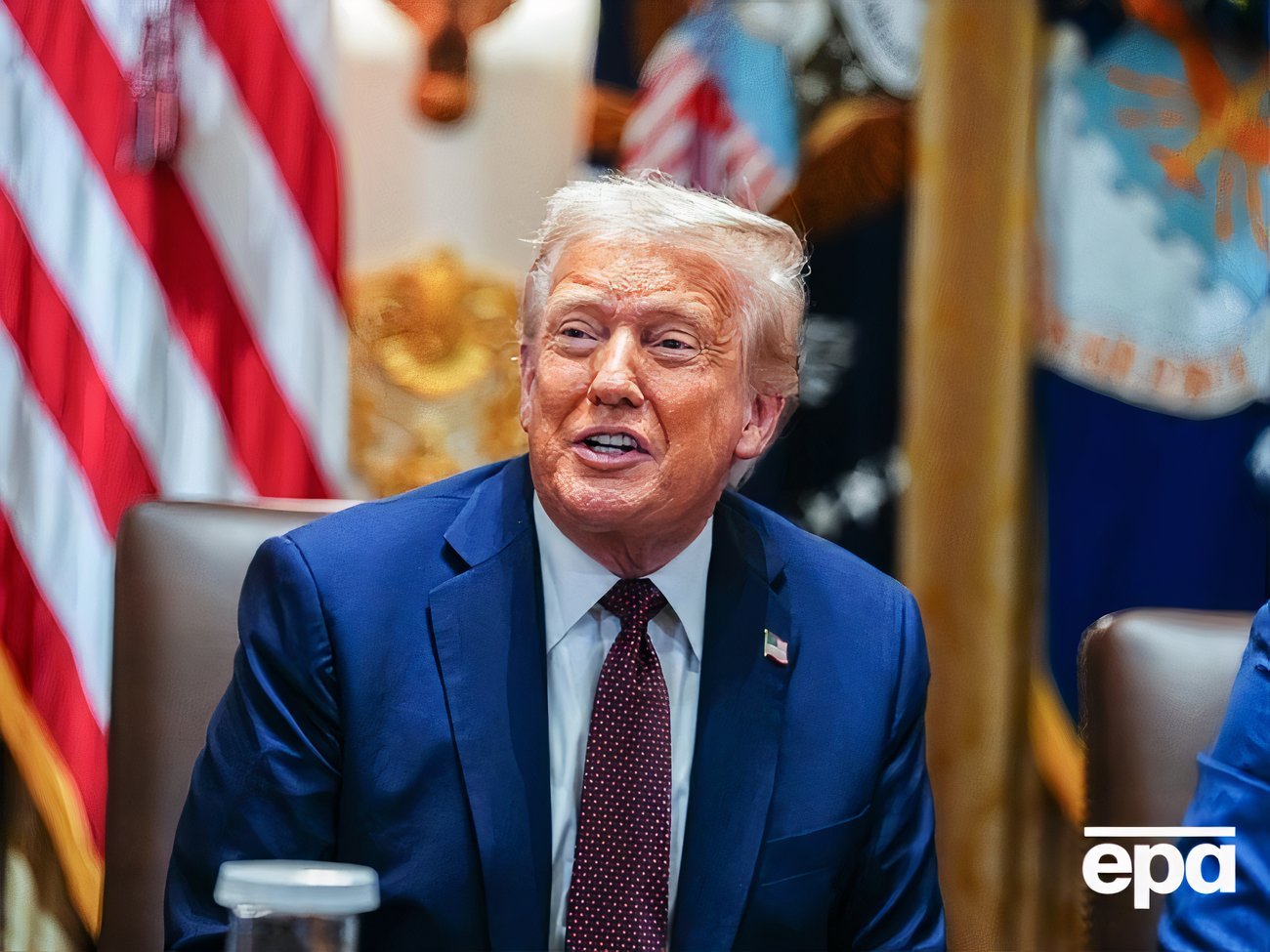
During a telephone conversation with the Indian Prime Minister Narendra Modi on June 17, Trump raised this topic, expressing pride in the cessation of military escalation. He mentioned that Pakistan was going to nominate him to the Nobel Prize of the World. According to people familiar with the content of the conversation, the hint was that Modi should do the same. In response, the Indian leader got angry and told Trump that the US intervention had nothing to do with the recent ceasefire – it was regulated directly by India and Pakistan, the newspaper writes.
Trump generally ignored this comment, but Modi’s disagreement and refusal to participate in the discussion of the Nobel Prize played a huge role in the deterioration of relations between the two leaders and the introduction of a total of 50 percent duties, the article says.
The US President claims that the tariffs for India are a punishment for the purchase of Russian oil and the protectionist nature of the Indian market. However, colossal sanctions, in particular against India, seem to many officials and observers, seem to be punished for disobedience, and not by the manifestation of any cohesive efforts to reduce the trade deficit or to terminate the funding of the war, which is conducted by the illegitimate president of the aggressor of the Russian Federation Vladimir Putin. They note that China, the largest importer of Russian oil, remained aloof.
Context
July 30 Trump announced duties for India Because of her connections with the Russian Federation. He stated that from August 1, India will pay a 25 percent fee for all goods, as well as a “fine” for the purchase of military equipment and energy from Moscow.
August 4, Trump said that “significantly” will increase duties for Indiaaccusing this country that she “does not care how many people in Ukraine die from the actions of the Russian military machine.” On August 6, he stated that he was introducing an additional 25 percent fee against India (she entered into force 21 days, that is, August 27). Therefore, the total tariff rate for India will be 50%.
In the Ministry of Foreign Affairs of India They called the attacks from the USA “unjustified” And they promised to take measures to protect their interests. The Indian side claims that they are supposedly forced to buy Russian oil because of the situation in the world market, since after the start of a full-scale war in Ukraine, traditional deliveries were redirected to Europe.
According to data Reuters, India was one of the largest buyers of Russian raw oil supplied by sea. She imported about 1.75 million barrels daily.
August 7, Modi said that “Ready to pay a high price.” He talked about the protection of farmers and fishermen, but, obviously, we are talking about tariffs. NDTV He explained that India exports a wide range of agricultural products in the USA and this is one of the sectors that will most suffer from US tariffs. CNN calls the agricultural sector a vital part of the India economy. Also Indian prime minister He called Putin a friend.
On August 20, Bloomberg wrote that, despite Trump's sanctions, India continues to buy Russian oil. According to the agency, Indian refinery is planned since October Reduce the volume of purchases Up to 1.4–1.6 million barrels per day, but there is no talk of a complete breakdown of trade ties with Moscow.
On August 27, new American duties on the import of Indian goods entered into force.