
Archaeological discovery in Jerusalem: The place where Jesus would heal a blind man, brought to light


Israeli archaeologists believe that they identified the biblical place where Jesus Christ would have performed one of the most famous miracles – healing of a blind man. The discovery concerns a 12 -meter, almost 2,800 -year -old wall, which allowed the formation of the Siloam bathing, mentioned in the Gospel after John.
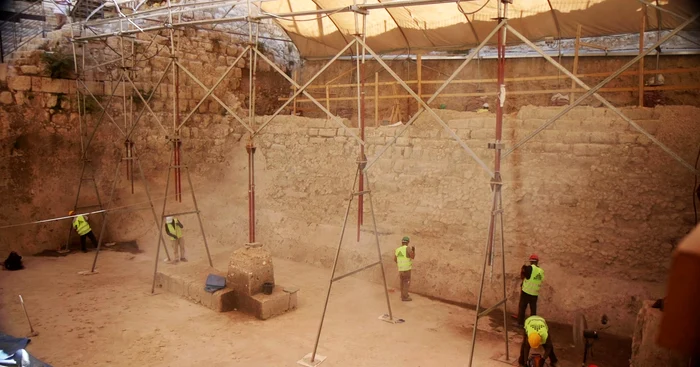
Archaeologists claim they identified the place where Jesus healed a photo blind: Facebook / IAA
According to the biblical account, Jesus sent a blind beggar to wash in the waters of the Siloam, and he regained his sight. Now, archaeologists claim that they have found material evidence confirming the existence of the place.
“If until today we could only read in the biblical text about the existence of Siloam's batteries, we can now see its tangible remains“, Stated Istamar Berko, director of the archaeological site of the Antiquity Authority in Israel (IAA), quoted by The Telegraph.
He explained that “Behind us is located a monumental dam, enormous in sizedated 2,800 years ago, during the first temple, during the kings of John and Amaia ”.
The huge wall that controlled the waters of Jerusalem
The construction, 12 meters high, with a width of over 8 meters and a length of at least 21 meters, was part of a hydraulic complex meant to capture the water of the Gihon spring and direct it through the Tyropoeon valley to the Hedron stream.
Radiocarbon analyzes showed that the dam was raised at the end of the 9th century BC, after plant debris were discovered in the mortar. The researchers believe that the building was built both to provide water reserves during drought and to limit the effects of floods caused by short but powerful rain.
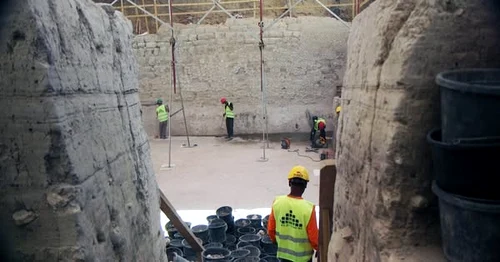
Image 1/5:
Archaeologists claim they discovered the place where Jesus would have healed a photo blind: Facebook / Iaa
“It is the lowest point in ancient Jerusalem. All the rainwater flows practically to this central, large river basin of the city ”explained Dr. Nahshon Szanton, co-director of the excavations. “If this was not this dam, the water flowing in this channel would simply drain in the Hedron Valley, directly to the Dead Sea”.
Proof of the power of the kingdom of Judah
The discovery also has a strong historical and symbolic value. “Bringing to light the largest dam ever found in Israel, in the heart of ancient Jerusalem, is a tangible proof of the power of the kingdom of Judah and the creativity of its kings in managing natural and environmental challenges.“, Stress the Minister of the Heritage of Israel, Amichai Eliyahu.


