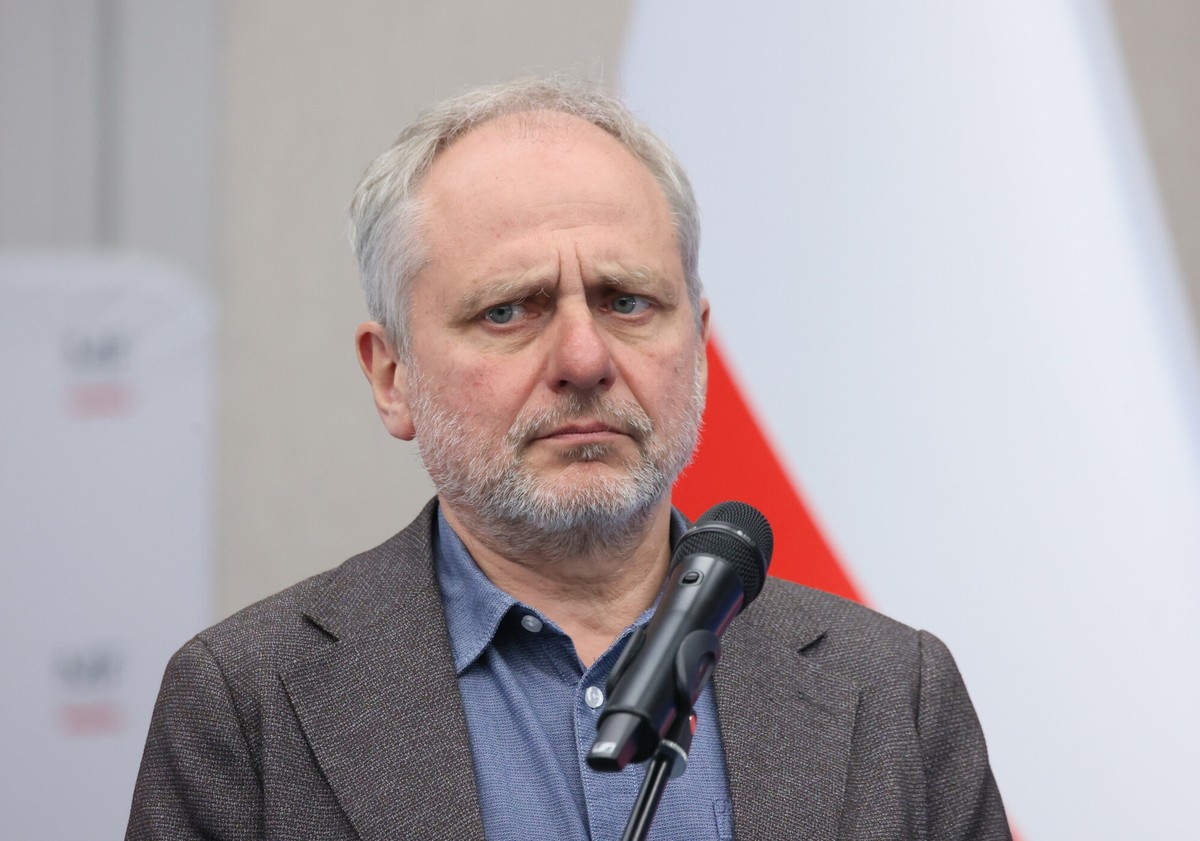
The deputy minister reminded that Poland's position in the face of the EC will be formulated after a detailed analysis of the proposed changes. He already indicated that “Poland will oppose solutions that excessively burdening the less affluent countries”. Therefore, the country will still not agree to treating the ETS as an EU own resource, as it was with previous EC proposals.
Deputy Minister Neneman also referred to another commission proposal regarding the participation of the EU in the influence of excise duty on tobacco products. Brussels would like the Member States to transfer to the EU budget 15 percent influences of minimum excise duty from tobacco.
As the deputy minister emphasized: “As a rule, tax revenues go to the state budget, from where they are redistributed in accordance with the Budgetary Act for a given year. The transfer of budget funds to the EU budget in the amount corresponding to the part of revenues from the domestic excise duty is without impact on the gray zone and the protection of the Polish tobacco market”.
Conditions for modifying the own resource system
Neneman noted that Poland as One of the main beneficiaries of the EU budgetis interested in the proper financing of the EU budget, but each system modification should be “duly justified and meet a number of conditions, including ensuring a fair burden on EU Member States”.
He added that the decision on own resources requires a special legislative procedure – Unanimous consent of the EU Council after consulting with the European Parliament. In Poland, this means so -called high ratificationi.e. the adoption of a decision by the Sejm of the Republic of Poland in the form of a law.
“The decision comes into force after its approval by all Member States in accordance with their relevant constitutional requirements. Therefore, the process of accepting a decision requires a twice consent by each Member State” – emphasized Neneman.
ETS – what is it?
ETS (English Emissions trading system) it Carbon dioxide emission allowance trade system in the European Union. In short:
- Each enterprise covered by the system receives or buys CO₂ emission rights.
- If the company emits less than it has qualifications, it can sell them to other companies.
- If he emits more, he must buy additional rights or pay a penalty.
The ETS goal is Limiting greenhouse gas emissions By introducing a market mechanism – companies have a financial incentive to reduce emissions.