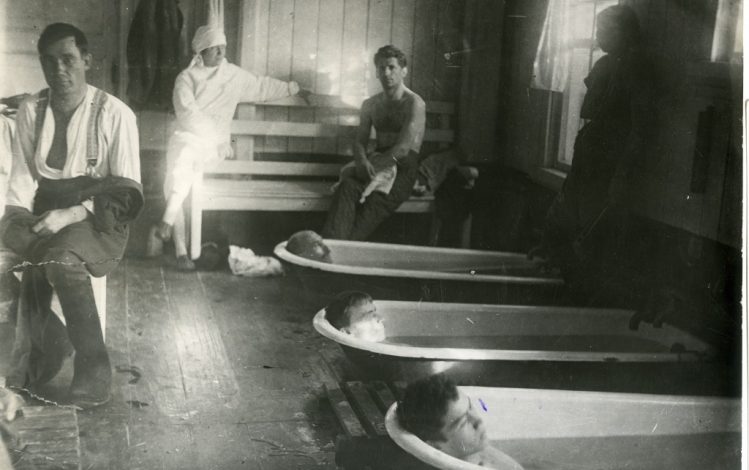
Patients in baths with hot sulfur water from sources. Resort Kuldur. 1930s
Photo: Gosarchive EAO
May 1, 1924
Taiga health resort in the village. Kuldur of the Obluchensky district was assigned the official status of the sanatorium.

From history.
The sanatorium is located in the mountain river valley, where the Kuldur source beats. The name comes from the ancientld of the word “hulzhiuri”, which means “hot” in Russian.
For many centuries, the place of the future sanatorium was considered sacred and, under fear of death, was kept secret. The secret belonged only to the Tungus and was sacredly stored among this tribe.
This secret, perhaps, would have been stored for many centuries if one day Tungus, pitying the familiar Russian Cossack, did not led him to be treated to the source. He led him with his eyes closed, through an impenetrable taiga. In various ways, the Cossack nevertheless achieved the disclosure of secrets: so he was amazed at the healing effect of the source. So the Russians learned about Kuldur.
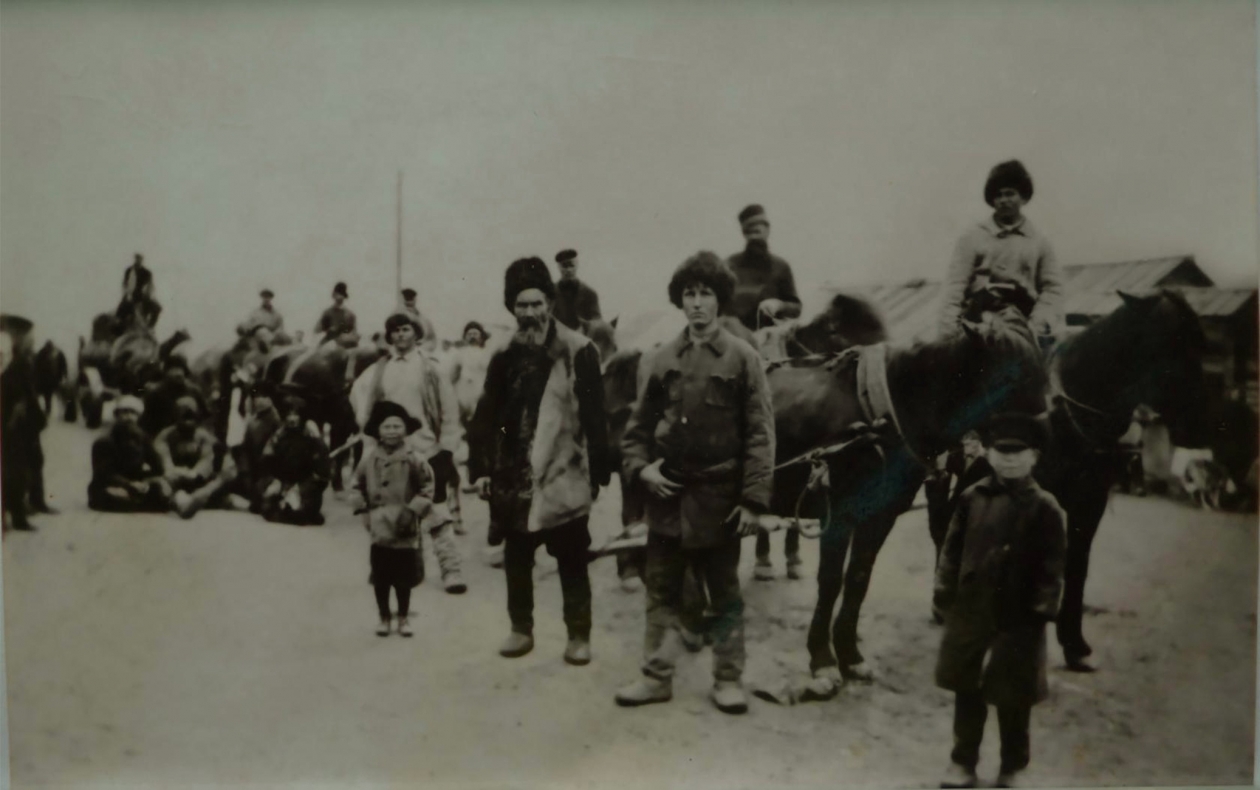
Pos. Birakan Obluchensky district of the EAO of 1927 A steam boiler is taken to the resort of Kuldur. Pioneers .. Photo: photo: Gosarchive EAO
In 1897, Kuldur was first mentioned in the journal “Nature and Hunting” (12+), and in 1910 in the “Labor of the Amur Expedition” (12+).
Until 1918, patients were treated in primitive conditions at their discretion. In practice, soil pits were used then, later baths with a wooden log house appeared.
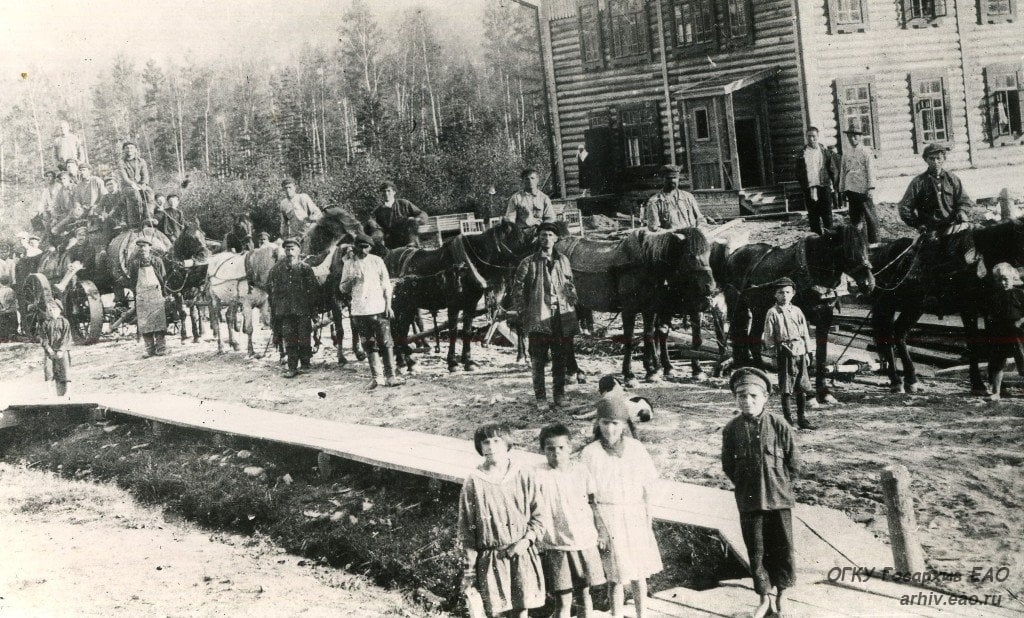
Resort “Kuldur”. Equipment for equipment for the first power plant. 1932. Photo: Gosarchive EAO
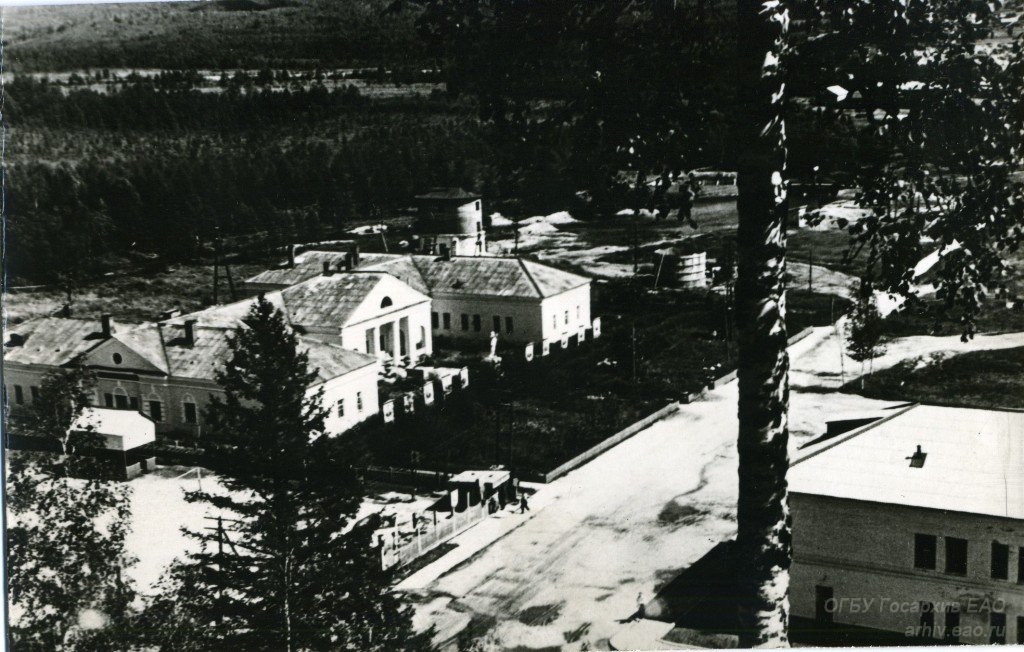
General view and bath corps of the Kuldur resort Obluschensky district. Photo: Gosarchive EAO
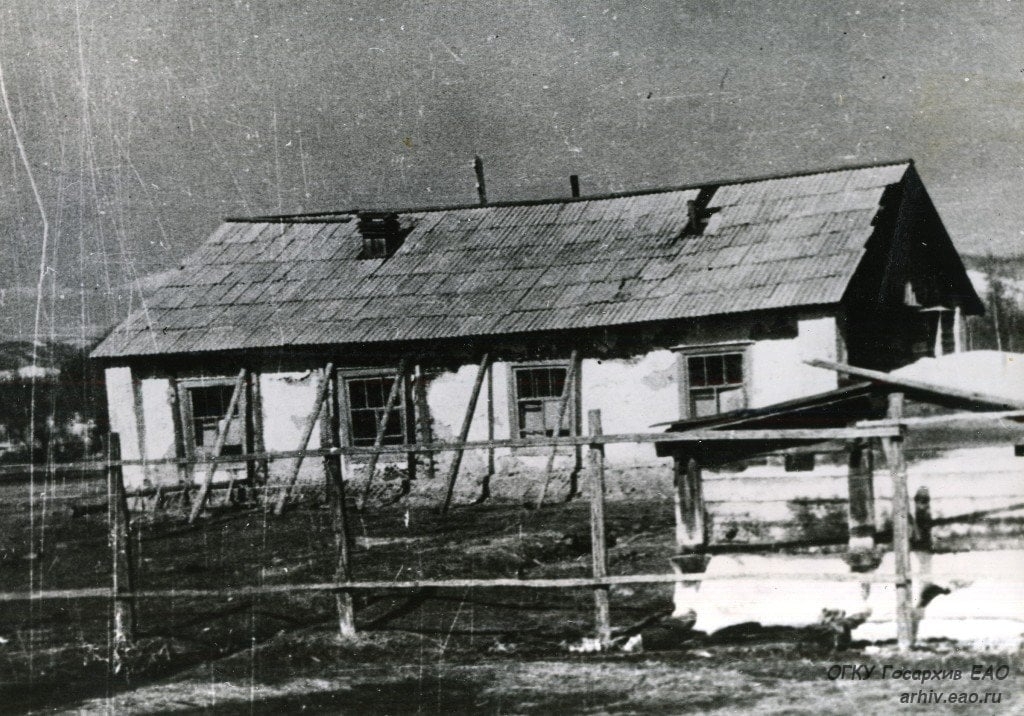
n. Kuldur. Obluschensky district of the EAO. The first hydropower. Photo: Gosarchive EAO
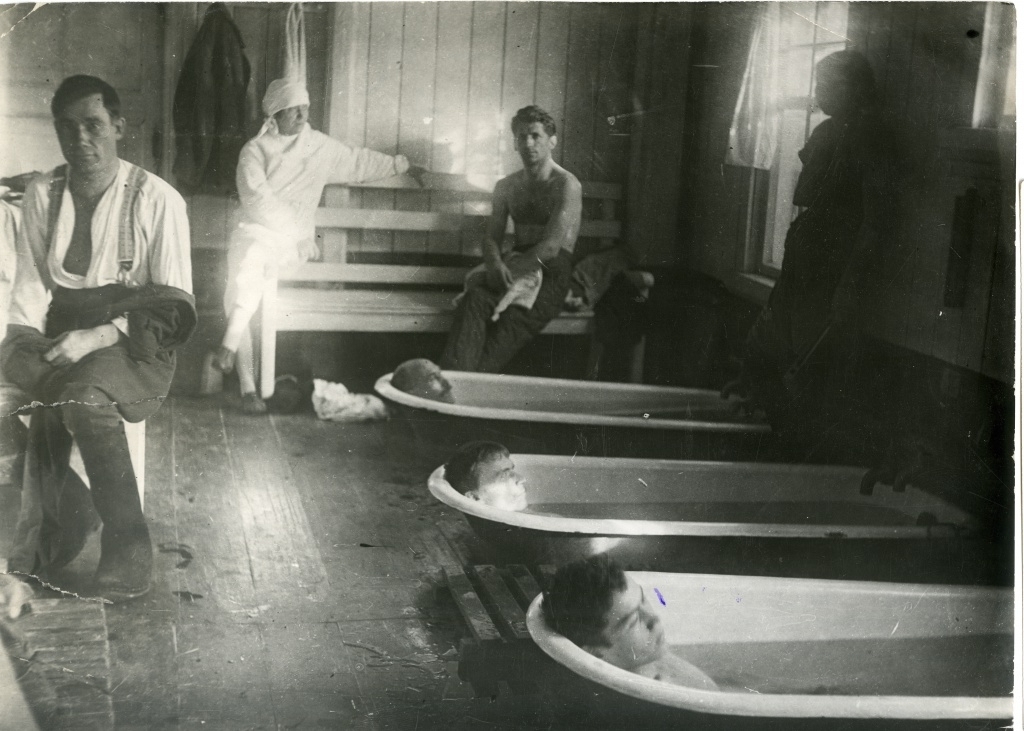
Patients in baths with hot sulfur water from sources. Resort Kuldur. 1930s .. Photo: Gosarchive EAO
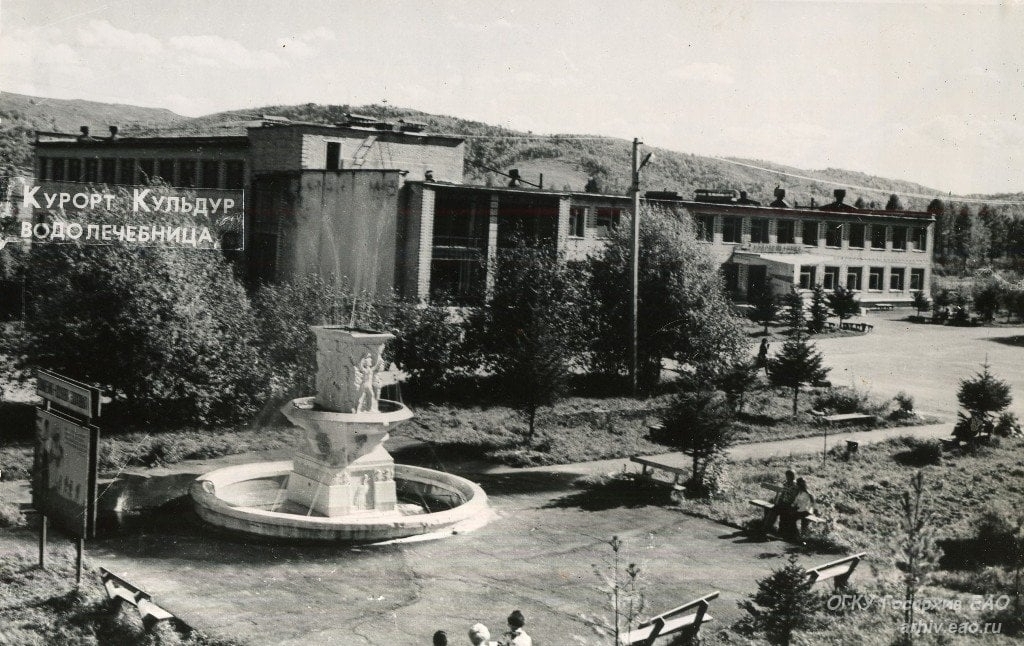
Resort “Kuldur”. Aquarlpan. Photo: Gosarchive EAO
Already in Soviet times, the Kuldur mineral source was declared a national property, it was decided to equip it at state funds.
In 1918, two barracks and one house for employees were built.
And only on May 1, 1924, the medical area Kuldur was officially enrolled in the resorts of the country.
Currently, in the resort zone there is a sanatorium “Kuldur”, a sanatorium “Gornyak”, a military sanatorium and a private sanatorium “Sanus”.
May 1, 1930
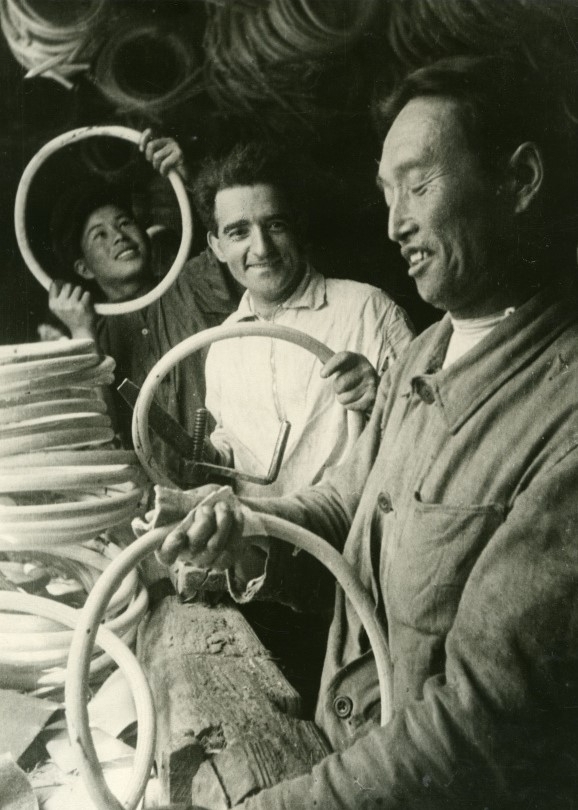
In the workshop of Viennese chairs. Photo: Photo: Gosarchive EAO
On this day, the Birobidzhan chair factory for the production of Viennese chairs was launched. By the time of the opening, the factory had several buildings, prepared several residential buildings for arriving members of the artel.
By 1931, the factory united more than ten people and produced products not only for the needs of the Far Eastern Territory, but also for export to China.
In a month, the factory produced 7.2 thousand pcs. products. The company had several workshops, large wood warehouses, its own convoy. Most of the production operations were mechanized.
May 1, 1935
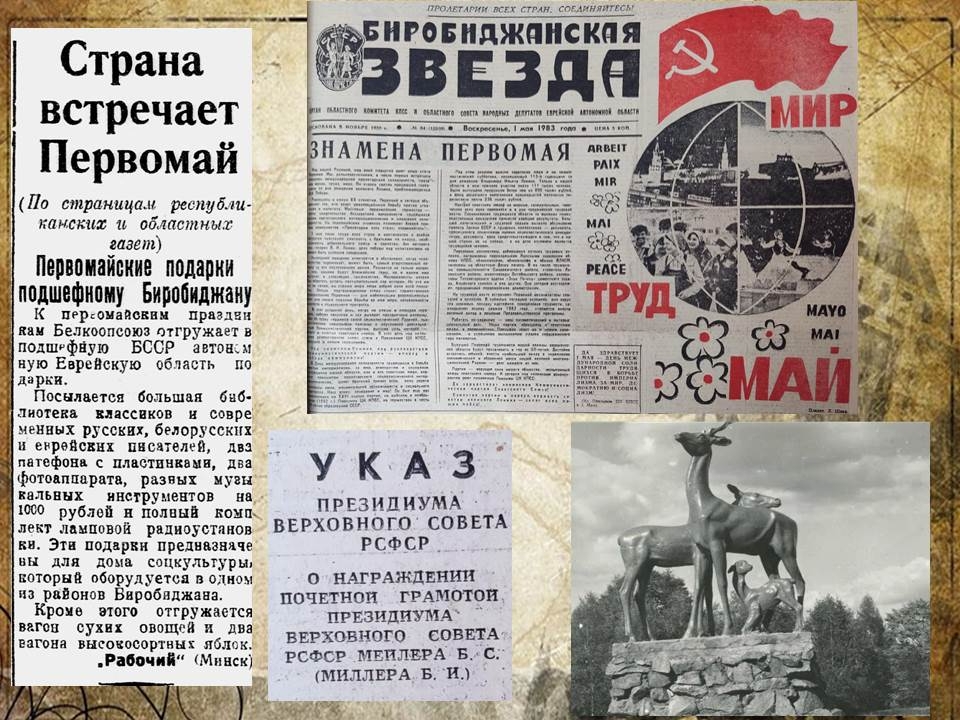
Cutting from the newspaper “Birobidzhan Star”. Photo: Photo: Regional Library
In the “Birobidzhan Star” (12+), for May 1, 1935, a curious note was published called Pervomaisky gifts to the sponsored birobidzhan.
This is what it said in it: “By the May Day holidays, Belcoopsoyuz ships to the sponsored BSSR* Autonomous Jewish region gifts.
A large library of classics and modern Russian, Belarusian and Jewish writers, two pavements with records, two cameras, various musical instruments for 1 thousand rubles and a complete set of lamp radio installations are sent.
These gifts are intended for the house of social culture, which is equipped in one of the areas of Birobidzhan.
In addition, a wagon of dry vegetables and two wagons of high -grade apples are shipped“.
*BSSR – the Belarusian Soviet Socialist Republic, which was part of the USSR from 1922 to 1991.
May 1, 1983
“Birobidzhan Star” on May 1, 1983 on the first page published a decree of the Presidium of the Supreme Council of the RSFSR “On awarding the Certificate of Honorary of the Presidium of the Supreme Council of the RSFSR Mayler B. S. (Miller B.I.).