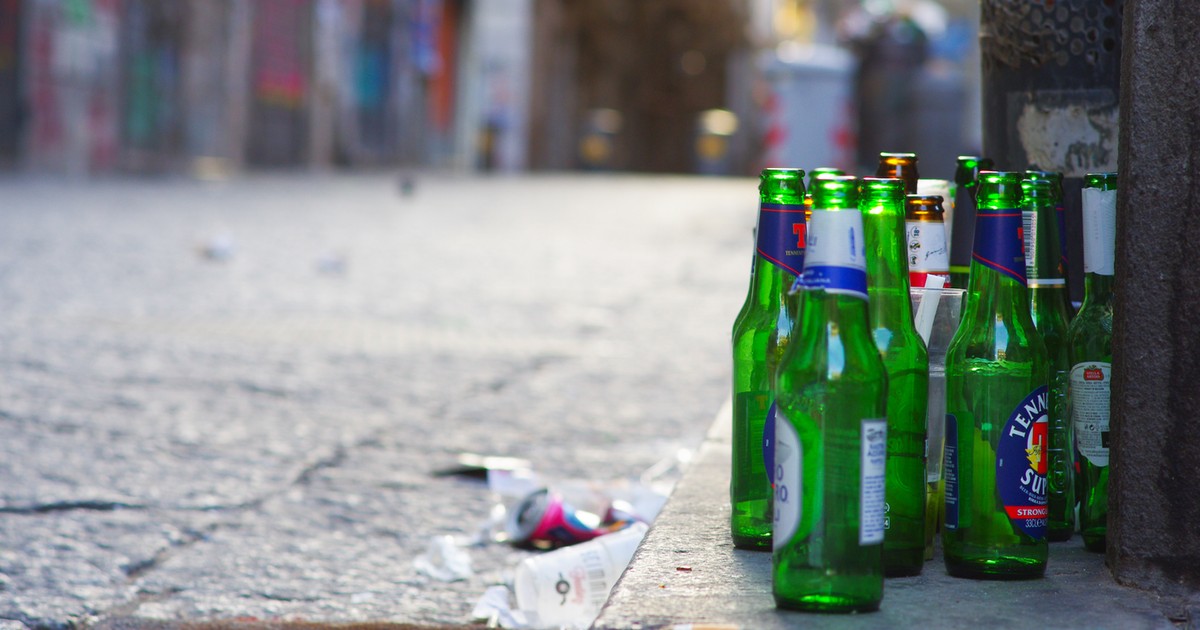
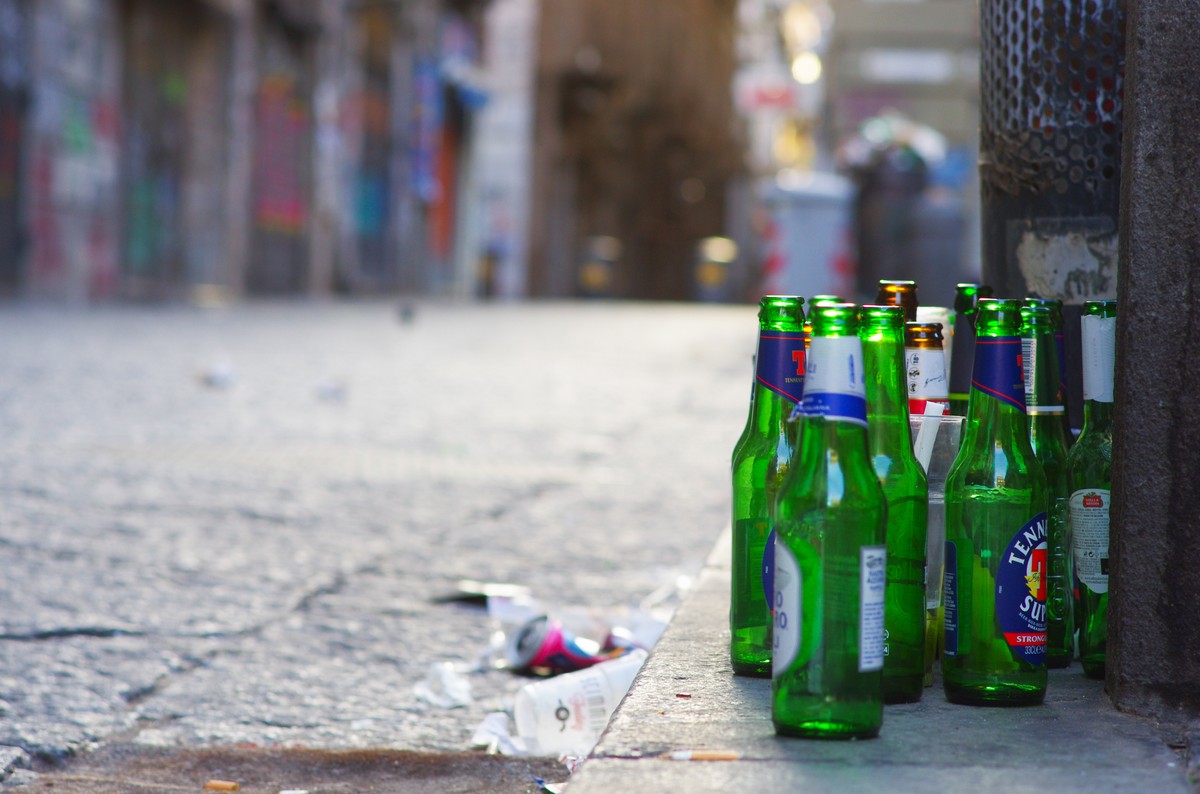
According to the current regulations, the deposit system will start in Poland on October 1. Large shops, with an area of over 200 sq m, will have to receive empty packaging and pay a deposit to customers. However, smaller stores will take a deposit, but joining the packaging collection system in their case will be voluntary. The system will cover three types of packaging: plastic bottles up to three liters, metal cans up to one liter, and also – from January 1, 2026 – glass bottles of reusable to 1.5 liters.
Therefore, the bulk system is not covered by one -time glass bottles and a deposit will not be charged. Whether a given bottle is one -time or reusable is determined by the drink manufacturer himself.
“It is not excluded that in the future we will turn on one -off -use glass and I will definitely take such an initiative. However, this does not mean that it will be accepted, because it must be consulted,” said Sowińska.
As the deputy head of the climate and the environment reminded, during the work on the Act on the Caurition, before the president signed it in 2023, they appeared Voices – above all small stores – so as not to include the one -off glass in the system. The stores explained then that they would not be able to logistically deal with the collection of such packaging in the deposit system. Hence the lack of these bottles in the deposit system.
“Operators can do this”
The deputy minister asked if the addition of disposable glass to the deposit system is associated with the need to apologize to another amendment to the Act on packaging and packaging waste, said that this topic is currently analyzed.
“It is not excluded that simply operators [systemu kaucyjnego] They can do it, “she added.
One -off glass bottles were not added to the Act on the deposit system also at the stage of work on its amendment in 2024, after the change of power. As explained by Paweł Marciniak from the Department of Education and Communication in the Ministry of Culture and National Heritage, during work on the amendment the topic was raised, but met with the same opinion of stores.
“Certainly what I would like to do is strengthening reusable glass and striving to standardize packaging,” said Anita Sowińska.
MKIŚ on its website explains that “multiple -use glass packaging is a key element bringing the transition to a closed circulation economy.” He adds that there is a need for activities aimed at popularizing the use of this type of packaging.
According to the ministry, one glass return bottle can replace approximately 20 one -time bottles. The ministry also states that In Germany, the glass bottle is turned to circulation on average 45 timesin Finland, it is filled on average 33 times before it gets into recycling.
Caurition system from October 1
Deposit for plastic bottles and metal cans will be 50 groszy per item, for glass bottles of reusable it will be PLN 1. The Cause System will not be covered by packaging after milk, yogurt or other drinking dairy products. They were excluded from the system after industry appeals as part of the amendment to the Act in 2024 for sanitary reasons.
The purpose of the depression system is to reduce the amount of mixed municipal waste collected by municipalities and increase the level of recycling.
The deposit will be charged from each drink launched on the market in a package covered by this system. The end of this deposit to the end user will also take place using the system, without the need to show the receipt of the drink. Bottles and cans can be returned to machines set, e.g. before or inside stores, or as a manual collection. The packaging should be empty, they cannot be crushed and must have a clear bar code on the label.
The non -collapsed deposit will be allocated to financing the bail system. The deposit is to encourage packaging reimbursement and increase the amount of reused and processed raw materials to create packaging.
Work on the bail act lasted several years. The provisions on this matter were finally adopted by the Parliament and signed by the president in 2023. Part of the industry, stakeholders of the bail system, however, pointed out that the regulations are leaky and need to be supplemented with key elements for them. After the parliamentary elections, the new management of the Ministry of Climate and Environment undertook to amend the act.