For Kremlin, endless negotiations are only part of his military plans, say “The Economist” and “The Washington Post”.
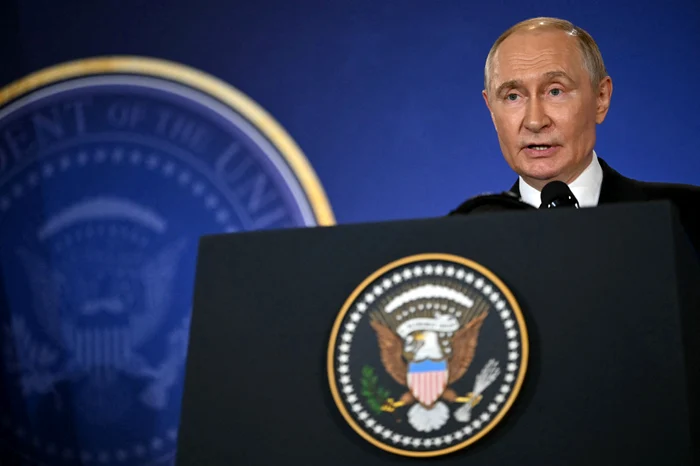
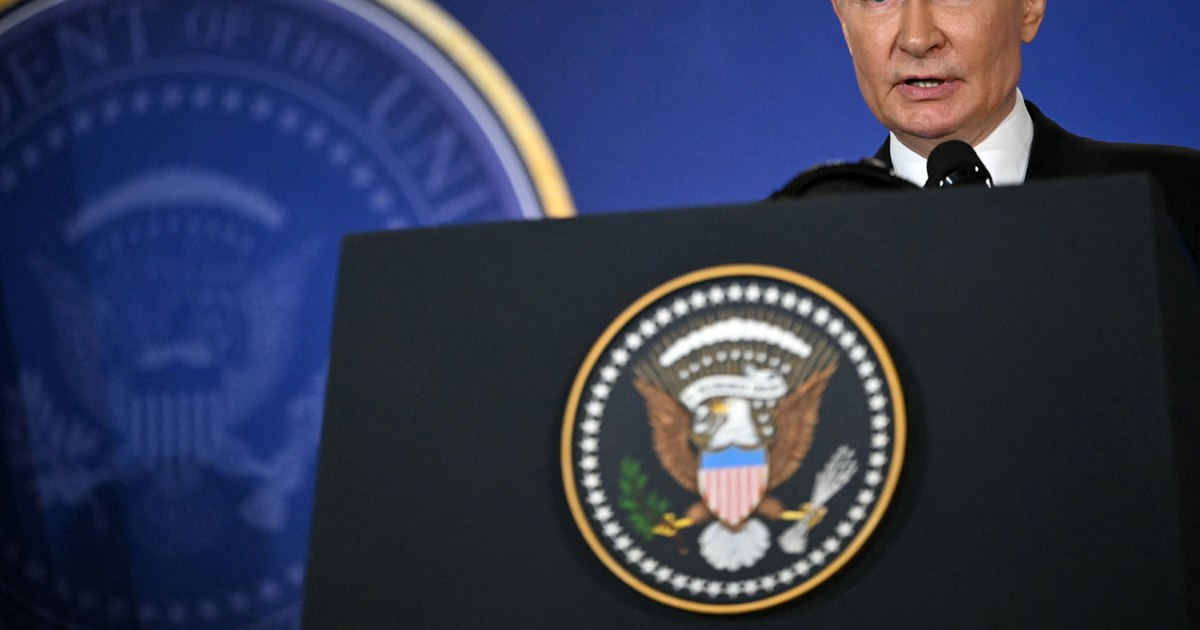
AFP photo
Vladimir Putin continues to transmit signals on a possible conclusion of hostilities in Ukraine. However, according to several analysts, recent diplomatic efforts could be part of a wider strategy of political and military pressure, without the real intention to end the conflict.
On August 15, one day after attending a summit with US President Donald Trump, Russian President Vladimir Putin returned to Moscow, where he convened the peak leadership of the state in the Kremlin Order – a space with historical significance, often used for important state events.
In a speech addressed to the Russian political elite, Putin praised the “sincerity” of the American leader and reiterated the desire to see a “quick end” of the Ukraine war. However, according to an analysis published by “The Economist”, these public messages can have a deeper strategic significance: they do not signal a withdrawal, but a tactical reconfiguration.
Diplomacy as an instrument of influence
For Kremlin, negotiations seem to function as a complementary tool, the source said. The objective is not only military, but also politically: undermining Western support for Kiev, supplying internal tensions in Ukraine and, finally, weakening the United States influence.
In fact, President Trump showed receptive to the messages from Moscow. According to reports in the international press, at the recent Washington meeting with European leaders and Ukrainian President Volodimir Zelenski, the American leader would have stated that “Putin wants an understanding – for me.” However, Trump has not resumed sanctions against Russia and did not condition the negotiations of an armistice.
Meanwhile, the Kremlin considers the security guarantees discussed at the Washington summit as a symbolic. Including the telephone call made by Trump to Putin during the meeting with European leaders was interpreted in Moscow as a political coordination signal.
Return to the international stage
The meeting from Anchorage, Alaska, offered Russian President an important opportunity: an exit from diplomatic isolation. Putin, criticized by many Western capitals in recent years, has been officially received and has been treated as a major political actor in European Security Architecture.
Reactions in Russia were positive. The ideologist Aleksandr Dighin compared the moment with the successes of the Tsar Aleksandru III-a historical figure frequently invoked by the Kremlin leader.
A significant element is the reaction of public opinion in Russia. According to recent polls, 70% of citizens believe that the Russian army is successful in Ukraine, and 60% support the beginning of peace negotiations. The perception of a victory, even symbolic, seems to dominate the internal discourse.
Unecceptable conditions for Ukraine
However, the conditions advanced by Russia for a peace agreement are difficult to accept by the Ukrainian side. According to “The Economist”, the requirements of Moscow are the recognition of Crimea annexation, the renunciation of Ukraine on accession to NATO and the organization of anticipated presidential elections in Kiev.
In this context, a Russian official said that “no understanding is possible how long Zelenski is in power.”
Internal pressure and external calculations
Behind diplomatic efforts, Russia is facing economic difficulties. The budget deficit has already exceeded the annual target established for 2025, given that public spending increased by 20% in the first seven months of the year. According to the Re: Russia analysis center, about 5% of the federal budget is currently allocated for the contracted army held in Ukraine. At the same time, the labor crisis begins to affect the civil sectors.
However, the Kremlin hopes that in the coming months it will get a military advantage in eastern Ukraine, relying on the personnel difficulties of the Ukrainian forces. If the offensive fails, the reserve scenario remains the diplomatic version.
Real negotiations and intentions
For Russian president, diplomacy functions as a “secondary line” of the front, experts say. By opening a Trump dialogue, Putin aims to reduce international pressure, create friction between Ukraine and its allies and test the availability of the West to accept territorial concessions.
One of Russia's insistent requirements is the transfer of the Donetk and Luhansk regions – areas that Moscow does not control from a military point of view. Thus, the diplomatic pressure could be used to trigger an internal political crisis in Kiev.
Unchanged strategic objectives
The wider goal of the Kremlin remains unchanged: reconfiguring the cold war-war order, reducing American influence in Europe and weakening the union of the European Union. Even in the case of a possible suspension of hostilities, say analysts, destabilization efforts will continue.
Max Boot, editorialist of “Washington Post”, warns that there are no reason to believe in authentic diplomatic progress. In his opinion, the diplomatic campaign of Moscow is meant to obtain a breather for the Russian army, not a solution of peace.
Situation in the field: The conflict continues
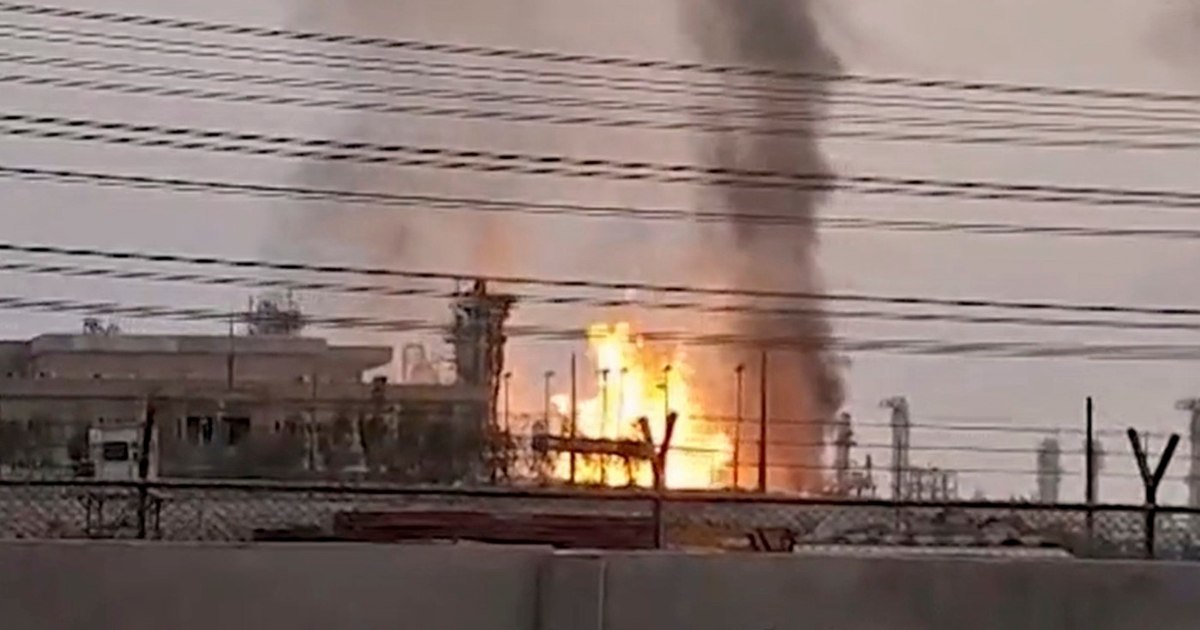
In parallel with political discussions, the reality of the war remains harsh. Just a few hours before the arrival of President Zelenski at the White House, a Russian attack caused the death of 14 civilians in Ukraine, including two children. Subsequently, Russia has launched the biggest attack and rocket attacks of the last month.