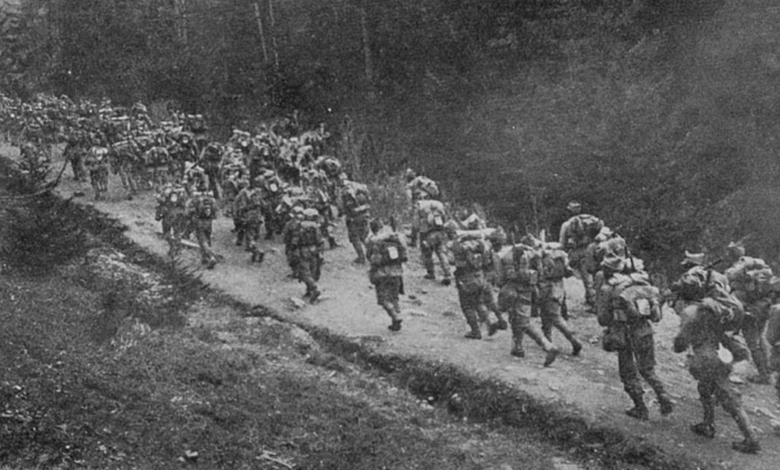
August 14: The day when the Romanian army passed the Carpathians, after deciding to enter World War I.

On August 14, 1948, the poet Lucian Avramescu is born. At the same date, but in 2021, the great director Dan Puican, the first husband of the late actress Stela Popescu, is extinguished. And on August 14, Romania made the decision to enter the First World War, motivated by the desire to unite all Romanians from Austro-Hungary, especially from Transylvania, held under the control of the Austro-Hungarian Empire.
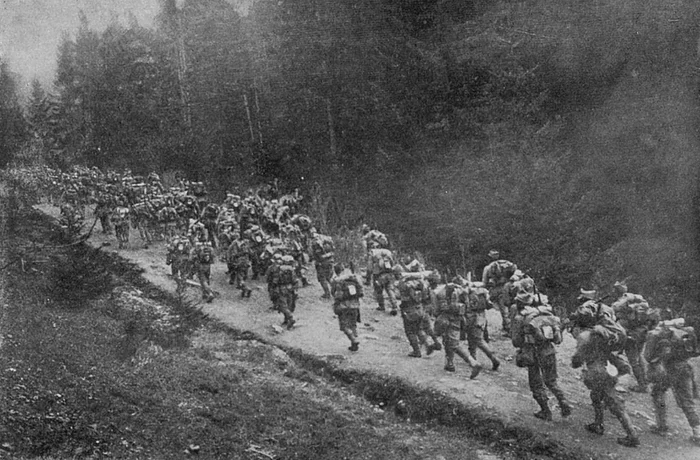
The Romanian Army passes the Carpathians
1880: The construction of the Cathedral in Cologne, the best known landmark in Cologne, Germany was completed
The Dom of Köln is a historical and architectural symbol of Germany, serving as the Cathedral of the Roman Catholic Archdiocese in Catholic, one of the oldest bishops. The protective spiritual patron of the Dom is Saint Peter. The building is the largest church in Germany, being considered the largest in Northern Europe, as well as one of the most imposing religious constructions in the world.
https://www.youtube.com/watch?v=wajz4fmwmqq
The lifting of the impressive cathedral began in 1248, and the place attracts many pilgrims due to the fact that it houses the relics of the three magicians. Since 1996 it has been included in the list of UNESCO World Heritage. In 2001, over 6 million visitors from all over the world passed the threshold, and in 2005 he was honored by Pope Benedict XVI.
1916: ((14/27 August) Romania declared war Austro-Hungary, entering the First World War, on the side of Antante.
On the evening of August 27, 1916 (August 14, old style, in the Julian calendar), Romania officially declared Austro-Hungary war, joining the antante (the alliance made up of France, the United Kingdom and Russia) in the First World War. At 9:00 pm, ambassador Edgar Mavrocordat submitted to the Secretariat of the Ministry of Foreign Affairs in Vienna the declaration of war signed by the Kingdom of Romania.
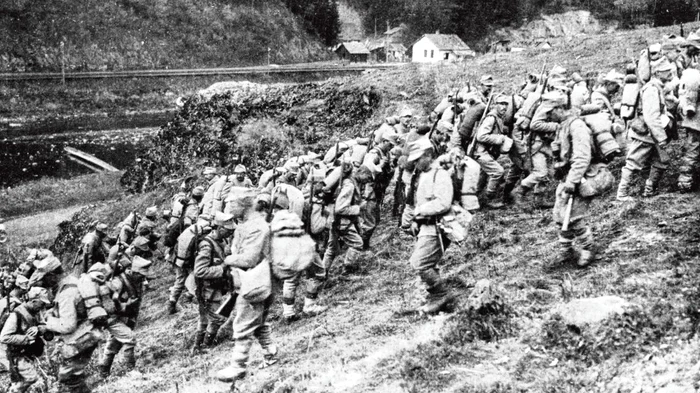
Romania declared Austro-Hungary war. Photo: Archive
The decision had been taken in the plenary of the Crown Council, convened on the same day by King Ferdinand I. After two years of neutrality, in which both the central powers (Germany and Austro-Hungary) and Antanta (UK, France and Russia) tried to attract Bucharest by their side, the balance inclined in favor of the Western alliance.
https://www.youtube.com/watch?v=urytvw17iro
The central powers promised increased rights for the Romanians in Transylvania and protection against the claims of Bulgaria on Dobrogea. Antanta, initially reserved in promises, accepted, in 1916, to recognize Romania's rights over Transylvania, Banat and Northern Bukovina, at a time when the Allies faced major difficulties on the Western Front.
Immediately after the declaration of the war, the Romanian army passed the Carpathians to attack in Transylvania. A symbolic image of this moment is that of the soldiers crossing the mountains singing patriotic songs, to strengthen their morale and show the courage and determination in front of the opponent.
1917: China declares war on Germany
The declaration of war of the Chinese Republic against Germany was the subject of a heated debate on the first National Assembly of the Chinese Republic led by the Beiyang government, a debate on the question whether to attend World War I by declaring the war against Germany.
After a failed attempt to restore Manchu's imperial house in July, the Pacifist faction suffered a failure with the resignation of President Li Yuanhong. The second Cabinet Duan then declared war on the German Empire and Austro-Hungary on August 14, 1917, denouncing all the treaties with them, recovering the concessions and rental contracts in Tianjin and Hankou and supporting the powers of Antanta.
1988: Died car builder Enzo Ferrari, founder of the empire bearing his name
On August 14, 1988, Enzo Anzelmo Ferrari was extinguished – one of the most influential people in the history of motorsport. Born on February 18, 1898, Ferrari was a racing pilot, entrepreneur and founder of the Automobile House Scuderia Ferrari in 1929, and in 1947 launched the Ferrari brand, later becoming a global symbol, performance and elegance in the car world.
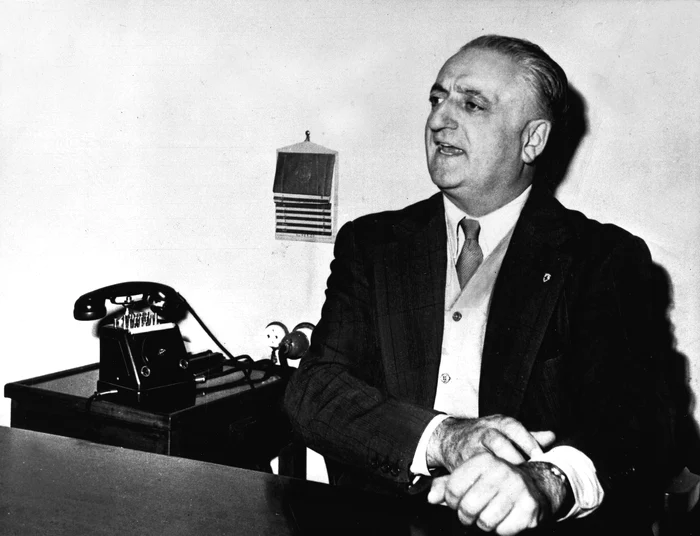
Enzo Ferrari, 1956. Photo: Profimedia
Passionate about any cars and competitions, Enzo Ferrari was not motivated by the impressive wealth accumulated – estimated at about 100 million dollars before death – but by the desire to always push the limits of technology and speed.
https://www.youtube.com/watch?v=e3hbwbfrvve
His personal life was marked by the marriage with Laura Dominica Garello Ferrari, in 1923, with whom he had a son, Alfredo “Dino” Ferrari. After Laura's death, in 1978, Enzo had a relationship with Lina Lardi, with whom she had a second son, Piero Ferrari. Today, 37 years after its disappearance, the name Ferrari remains synonymous with excellence in Motorsport and with the refinement of Italian engineering.
2021: Dan Puican died, Romanian actor and director (b. 1933)
Dan Puican was an actor and director at the Romanian broadcasting, noting especially in the radio theater, where he staged over 1,000 pieces.
https://www.youtube.com/watch?v=fndrjzcglzc
On August 14, 2021, at the age of 88, he went out of his life to Sabbath, where he was to participate in the pilgrimage of Saint Mary. Considered one of the most important Romanian theater directors, Puican was a real mentor for many artists, collaborating with great names of the Romanian scene and being appreciated for his encyclopedic memory about the theater world.
Personal, Dan Puican was married for eight years with Stela Popescu, until 1969, when the actress fell in love with the Mihai “Puiu” Maximilian text, along with her death in 1998.
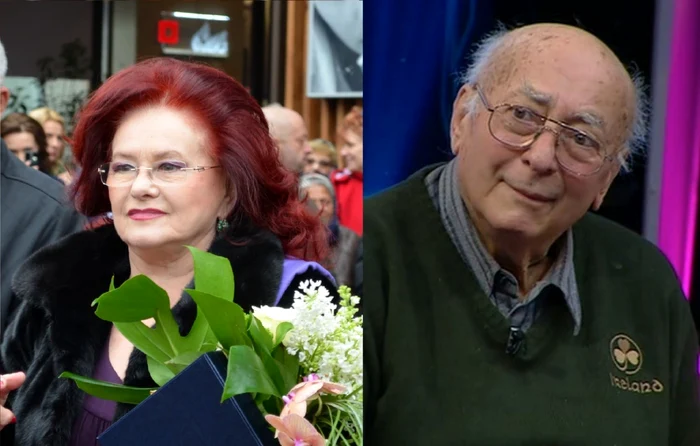
Stela Popescu and Dan Puica. Photo: Archive