Information confirmed by the statements of Netflix bosses during the announcement of the results for the second quarter of 2025. It spilled in the industry like an electric impulse. For some, it is a natural evolution of digital film production, for others an announcement of accelerated automation of creative competitions In the period when Hollywood has just come out of the largest employee disputes about AI.
What does Netflix want to gain? During the teleconference after the presentation of quarterly results, the co -dector General Ted Sarandos outlined the pragmatic and ambitious vision. As he admitted, generative AI is to help developers make movies and series better – but also cheaper. He pointed out that AI tools already realistically support prescribed, planning of shots, as well as complex visual effects, such as digital rejuvenation of characters, which have previously been the domain of super -production with the largest budgets. Sarandos, however, emphasized that it is “real people using better tools”, and not to replace human creativity.
The second pillar of the strategy is an operational efficiency on a global scale. Netflix, which reported $ 11.08 billion. revenues in the second quarter of 2025 (an increase of approx. 16 percent of ydd) and over 95 billion hours of watching in the first half of the year, looking for ways to support an extensive network of local productions without a proportional cost increase. Lowering the technological barriers for teams from smaller budgets can translate into a richer international offer, which is one of the platform growth motorbike motorbike motorbike motorbike motorbike motorbikes.
Check also: Runway presents AI to generate video with cinema quality. Some will lose their earnings
Netflix sees nothing wrong with it
Netflix also sees the connection between generative AI in content production and applications on the platform itself – in personalization of experience, voice/natural search and future interactive advertising formats that the company plans to develop more in the second half of the year. If creative tools and AD Tech tools divide the common model infrastructure and multimedia resources, Netflix can and the program and commercial product can be faster.
Sarandos indicated Argentine science-fiction series “El eternaluta” as a project in which Netflix For the first time, he showed a shot in the final, emitted material with the help of AI tools. It is about a spectacular sequence of collapsing the building in Buenos Aires. According to the company, it took about ten times less time to generate this scene than traditional visual solutions and proved financially achievable for production with a moderate budget. Earlier it could have been a barrier.
Further part under video material:
On the other hand, there is not a word about the fact that large studies that normally have a budget for special effects will be able to save and leave more money in your pocket. In other words, specialists who have so far been responsible for spectacular effects may lose a lot of orders and Netflix completely omitted this aspect.
Although the company did not reveal exactly what software package was used on this particular “ETERNAUTA” scene, the context of wider tests with the Runway AI start-up and observation that The company experiments with various generative models depending on the needs of the shotshow that the streaming giant is building a flexible, modular tool ecosystem, not a single “magic wand”.
Read also: The best AI for text, research, images and films. We recommend excellent tools [ZESTAWIENIE]
Runway AI has been impressive for a long time
Runway AI, founded in New York and developed since 2018, has grown into one of the most recognizable players in the generative video segment. The company has gone through a series of models: from Pioneering Gen-1 (video-to-video) and Gen-2 (text-Do-video) after Gen-3 Alpha and the latest Gen-4, which focuses on the consistency of characters, locations and props in many shots and greater control over the film language.
Gen-4, according to Runway and independent relationships, allows you to “fill” the characters, “locate” scenes and maintain visual continuity when generating subsequent frames based on reference images and text descriptions. This addresses one of the biggest problems of earlier models: melting details and lack of continuity between the clips. From the point of view of serial production, this may mean faster prototypes of scenes, and in some ranges – ready -made background shots or second plan.
Runway is also actively developing Enterprise offer for companies such as Netflix. In September 2024, the company signed a agreement with Liongate about training a custom model on the studio catalog, thought as a tool supporting filmmakers in pre- and post-production, and as a possible pattern of licensing models at private content collections. Reuters points out that such relations are part of the Runway Strategy of the Construction of the “New Media Ecosystem”, financed, among others A round worth $ 308 million, with a valuation of a company exceeding $ 3 billion.
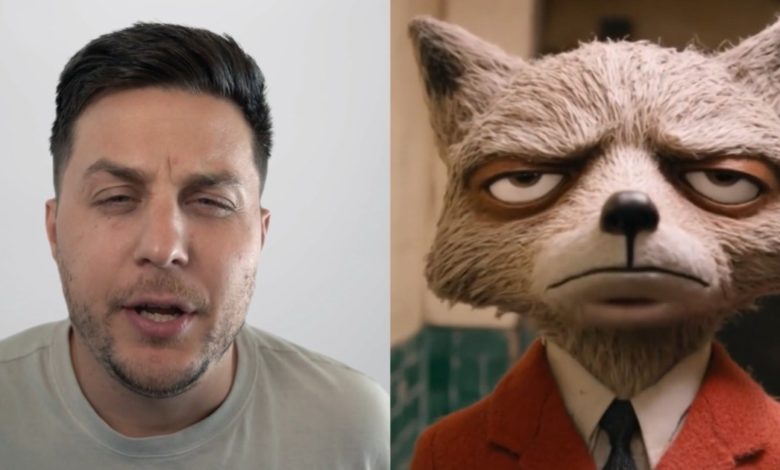
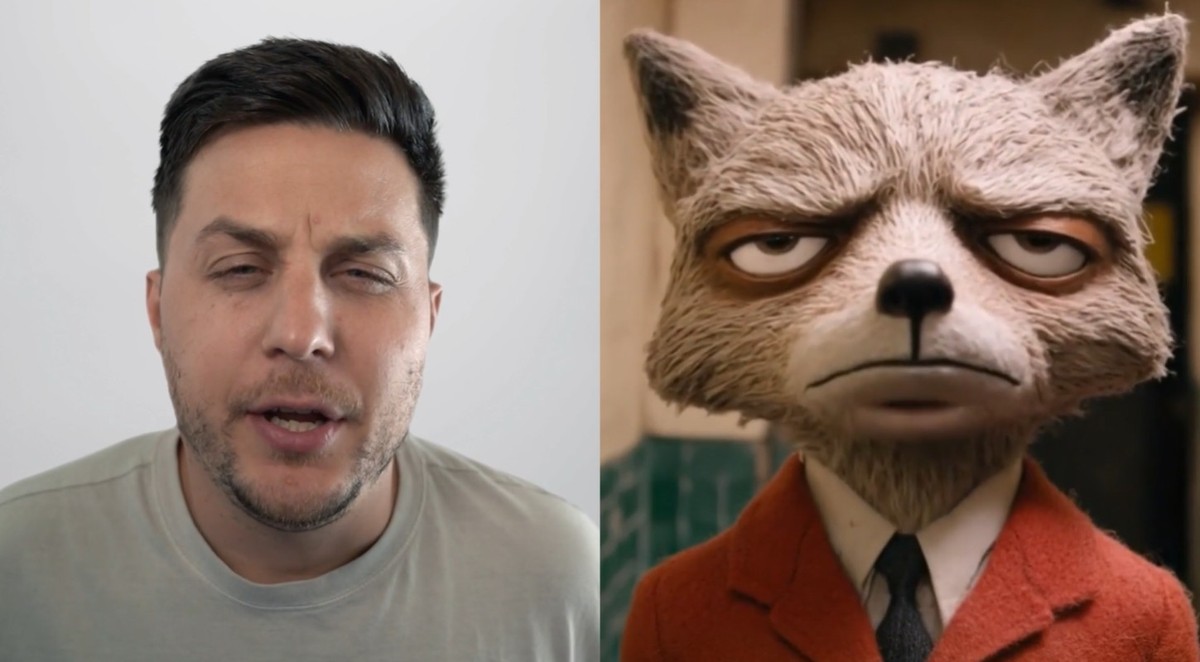
The latest addition in Runway Arsenal is Act-Two. In turn Model captivating movement with the so -called Driving Performance (a short video with an actor or director playing gestures), who then mats these movements to any character – photorealistic, animated, stylized – Without the need to put on costumes with markers and use expensive Motion Capture studies. The system supports the head, face, hands and body. In addition, it automatically adds a movement of the environment, and clips up to 30 seconds are generated in 24 frames per second in various proportions of the image.
Further part under video material:
If Netflix manages to combine Act-Two with its own virtual production procedures and character resource management systems, it can locate content faster or create seasonal variants of promotional materials without involving the entire VFX teams.
See also: Openai with a valuation almost like Coca-Cola. CHATGPT creator grows up to power
Where does the nerves in Hollywood come from? The answer is rather obvious
Technological enthusiasm collides with justified anxiety of industry employees. After the strikes of screenwriters and actors in the years 2023–2024, trade unions won the first, though still limited, security for the use of AI. From the ban on treating the material generated by the systems as “literary material”, replacing the screenwriter, to the requirement of conscious consent and remuneration for the actor when the studio uses his digital replica.
However, IATSE analyzes and legal environments emphasize that Despite the progress, many gray zones remain unresolved. Especially on training models on existing scenarios and visual materials.
Disputes fuel for copyright. On June 11, 2025, Disney and Universal brought a lawsuit against Midjourney, accusing the company for training models on IP protected libraries and enabling generating virtually unlimited variations of franchise characters without license. This matter, widely commented as a breakthrough moment in the Hollywood dispute with the AI industry, can define, to what extent training data must be licensed and what obligations do models suppliers in filtering content generated by users have.
The issue of transparency of models also returns at Runway itself. The earlier generation Gen-3 Alpha was criticized in industry media for allegedly using YouTube materials and pirate copies of films without clear licenses. This is the allegation that the company has already commented in public, but which shows like It will be difficult to build trust between studies and AI tool providers. The new Gen-4 is to promote greater control and consistency, but the pressure on the transparency of data origin will only grow.
One thing is certain. Netflix enters the generative video not out of curiosity, but out of the desire to scale global production and maintain a competitive advantage. Runway AI offers him a set of tools-from a coherent generation of worlds in Gen-4 to saving time intercepting in Act-Two-which can translate into real cost and creative benefits. Hollywood looks with a mixture of fascination and anxiety, because the stake concerns jobs, copyright and the definition itself.
The pace of technical progress indicates that the question is no longer “or”, but “on what terms” artificial intelligence will become an integral part of the film industry. Those who invest in wise, partner cooperation models today may dictate the conditions of the entire industry tomorrow.
Author: Grzegorz Kubera, Business Insider Polska journalist