“Tsunami is approaching and we look away.” Rich Switzerland has a huge problem

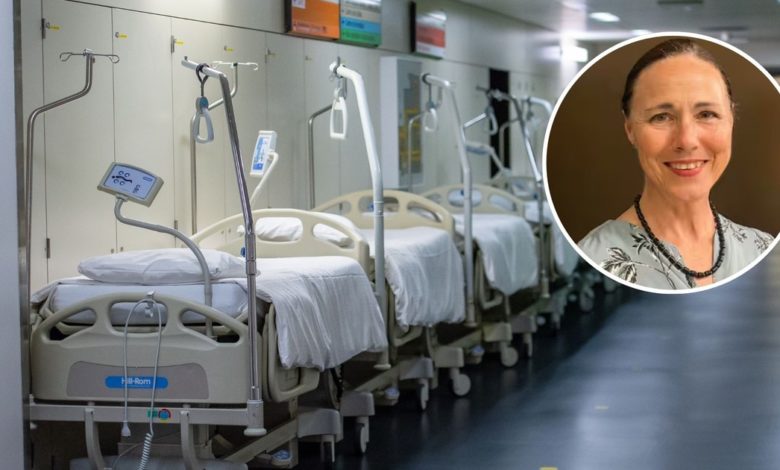
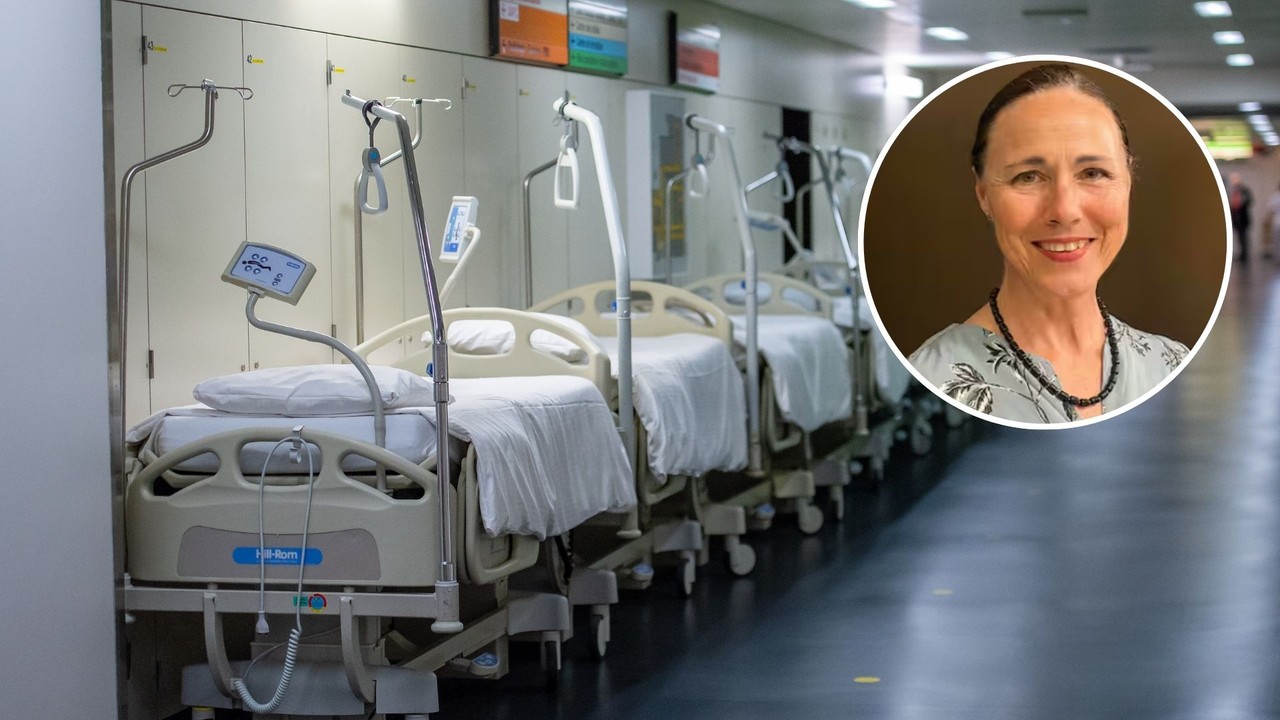
Basically, care and its quality are good. Compared to other countries, we are in a comfortable situation. However, there are large differences in the country. Depending on your place of residence, it is very difficult to make an appointment with a doctor and get appropriate care.
Because in some regions, for example in the Friborian Alps, there are too few doctors. And also because the roads of access to them are very long. This discourages some people and they delay the treatment with treatment.
So we have a shortage of services. But not only?
Yes, we have excess them at the same time. There are definitely too many performers of knee and hips surgery. There is never a problem with making an appointment for them. It is similar in the case of imaging tests. However, the situation in pediatrics and psychiatry is difficult.
Can you explain it?
There are many areas where the psyche and physicality interact with each other, i.e. mental ailments cause physical ailments or vice versa. Flipper often occurs then: the patient is then sent from one doctor to another. This is unfavorable for patients and for the system.
What role do family doctors play?
They should be a central point. In the case of simple ailments, you must first go to the family doctor, and he will send the patient to a specialist if necessary.
The classic role of the guard?
Family doctors are a low care center with a low availability threshold. But there are fewer and fewer of them. This is one problem. The second is the knowledge of the classic family doctor. They used to know the whole story of the family of their patients, their biography, level of pain and so on. This is a valuable baggage of experience, thanks to which you could better diagnose ailments. Today, in group practices with changing part -time employed, this knowledge is lost.
What are the consequences?
Today, patients are referred to other specialists much faster, and this entails high costs. There is a lack of experience of family doctors, which is the basis of good and high quality primary care. This problem has not yet been found.
A shortage of family doctors is a fact. How can you remedy it?
Family medicine is not very popular. The education or professional development of specialists takes place in the hospital, and this is not the right place to educate family doctors. That is why assistant in the doctor's office was introduced about 15 years ago. This means that future family doctors can learn about their daily work in the office. Therefore, the authorities are trying to counteract this situation. But this is not enough, the deficiency will deepen.
Why?
We enter a phase in which the generation of patients from the demographic boom will have to be served by doctors from generation Z. From a purely arithmetic point of view, this is a big challenge.
Because many family doctors from the generation of the Demographic Demant retirement?
Yes, among others. However, this problem will become particularly severe in 10-20 years. When the generation of the Demographic Deer is no longer physically functional and begins to have health problems. We will have too little qualified employees who will be able to meet this influx and provide adequate care.
Not enough doctors for too many elderly?
That's right, we have to face it. Less doctors will have to do more work. Tsunami is coming, and we just look away. We have a huge problem with basic healthcare.
In Germany, there is even talk of old age plague.
This is a too pejorative term for me, I would never say that.
Where can you take remedial?
Over the past 50 years, the role of hospitals has been extended too much, which is also why the emergency departments are overcrowded and chronically crowded. There is also a lack of solutions for patients who are too weak to stay at home, but too healthy to lie in the hospital. This applies to many older people. A deficiency of qualified staff in nursing homes is even more dramatic than elsewhere. There is no cooperation between various treatment centers.
How can this be improved?
For example, by combining regions and close cooperation between hospitals, nursing homes, home aid services and rehabilitation clinics. This solution is already functioning in the Bero-Jura canton.
Regional healthcare initiatives as a solution?
In Bern canton, such projects are actively promoted by the Health Directorate. In other regions they are created spontaneously. Our forum for integrated healthcare is observing more and more such examples. We received queries from Glarus and Nidwalden cantons. Efforts are taken primarily by smaller cantons.
Who is responsible for health care?
The constitutional mandate is clear: health care belongs to the competence of cantons. It depends on them how they fulfill this task. Some focus on digital platforms, others provide infrastructure, for example, they build health centers. Still others promote cooperation. As a result of the November voting on the amendment of the Act on health insurance and the adoption of a uniform EFAS financing system, the cantons must now also finance outpatient care.
Is that enough?
NO. We are only at the beginning of the road. You have to act much faster. Cantones could learn from cities how important cooperation between the health sector and the social sector is. By investing in social services, for example in the fight against the loneliness of the elderly, they improve their health.