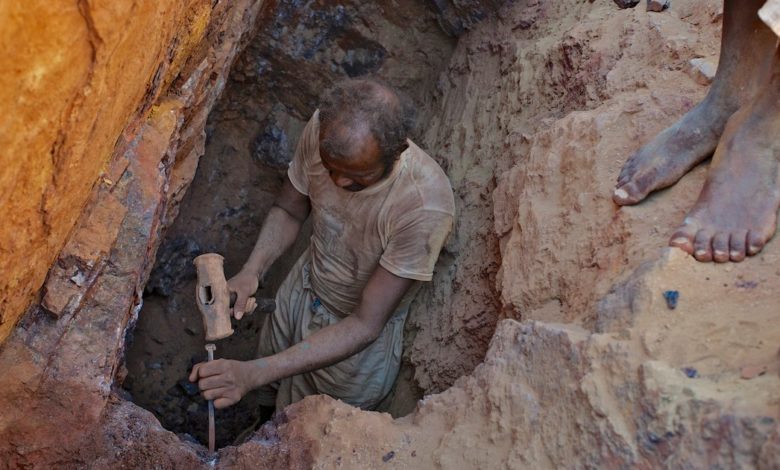
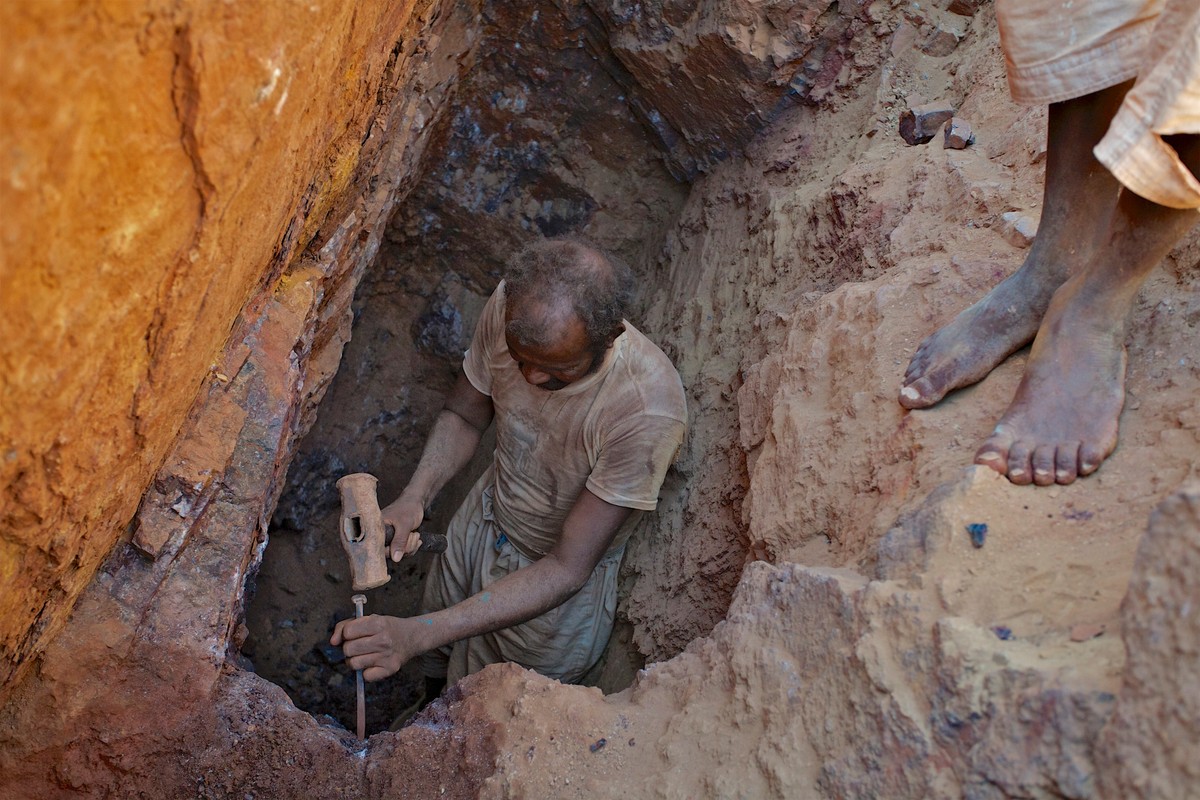
The disaster in Sudan took place on Saturday in the previously closed Kersz Al-Feel mine, located in the desert region of Howaid. The mine was previously excluded from operation due to violations of security regulations.
The state -owned company Mineral Resources Company denied media reports, which suggested that the number of victims could be up to 50. This tragedy draws attention to serious problems in the informal mining sector of Sudan, where the lack of security regulation exposes the lives of employees.
Sudan, like many other African countries, is struggling with the problem of unregulated extraction of raw materials. It is estimated that over 1.6 million so -called Craft miners work in unsecured windows, without a license or permits. In exchange for local fees, the authorities turn a blind eye to their activities.
Gold goes to the black market
Dangerous working conditions combined with a lack of formal regulations lead to tragic accidents such as the one in Howaid.
Extracted gold often goes to the black market, from where it is smuggled into neighboring countries such as Chad, South Sudan and Egypt. Then it is exported to the United Arab Emirates, where it is legalized and is sent to other corners of the world, making this Arab country the second exporter of this ore in the world.
Gold drives a civil war
Sudan has been torn off the civil war since April 2023 – a conflict between the regular government army and the paramilitary forces of fast support (RSF). Profits from illegal gold trade play a key role in financing the war of both sides.
Despite the ongoing fights and humanitarian crisis, Sudan recently announced a record gold production of 64 tonnes in 2024. Importantly, almost 80 percent. This ore comes from the informal sector, where miners still use traditional extraction methods.