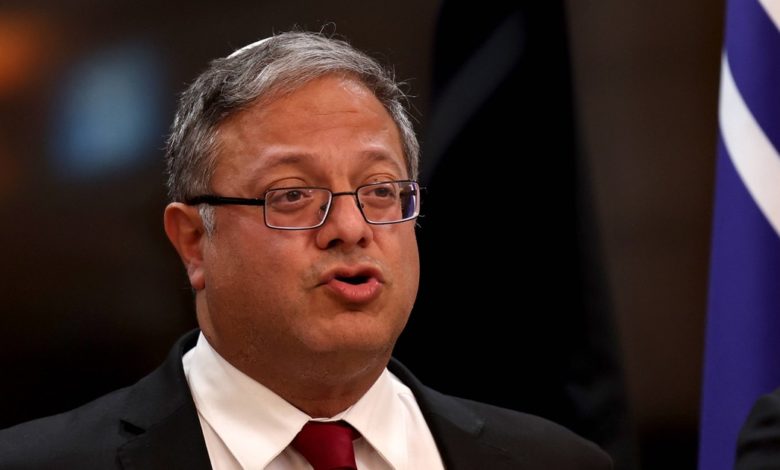
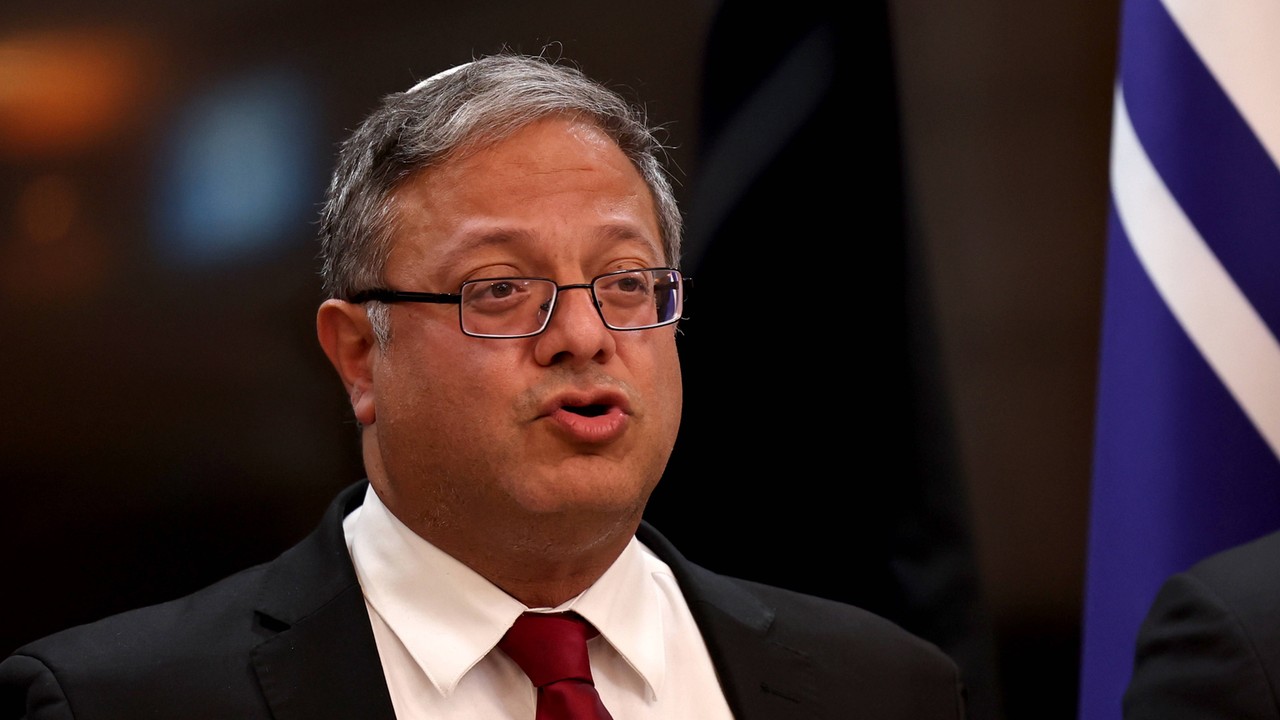
The Minister of National Security ITAMAR BEN GWiR and the head of the Ministry of Communication Szlomo Kari last week ordered foreign reporters to join the group on the WhatsApp messenger, through which they were to obtain the consent of the censor. This caused great controversy. However, as the Independent Ha-Ajin Ha-Szwi'it portal established, such a group was never to exist.
Military censorship in Israel. “Haarec” about policy towards foreign media
The task of military censorship in Israel is to prevent public information that could threaten the security of the state or disturb public order. In practice, television stations, newspapers and journalists working in Israel must send censors materials for approval or changes if they concern such topics as war operations, weapons or interview.
People responsible for current contact with the Military Censor Office work in the largest press and television editorial offices. In particularly sensitive periods, a representative of censorship is physically in the newsroom or remains in constant contact with the implementer and editor, especially in the case of live relationship.
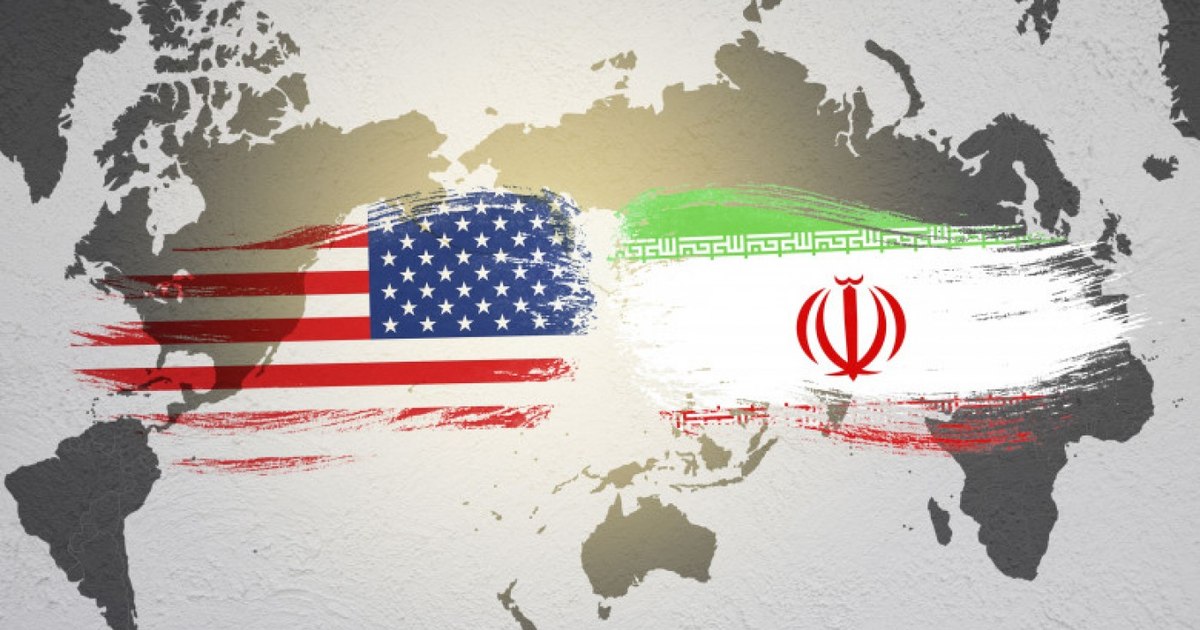
According to the Haarec newspaper, under the pretext of war with Iran Ben-Gwir and Kari, they forced the “chaotic, xenophobic policy” against foreign media on the basis of a special ordinance. According to this opposition diary, other independent media, as well as the Israeli Ministry of Justice, this ordinance had no legal basis.
After a few days of controversy around this topic, the main censor General Kobi Mandelblit told foreign journalists that, like their Israeli colleagues, they do not have to obtain prior consent to filming in civil areas. However, they are obliged to comply with general principles, such as a ban on filming in state infrastructure or military bases, nor can they record rocket capture.
Journalists and lawyers clearly about military censorship in Israel
Israeli preventive censorship is a remnant of British colonial rule, but now its ability to block video recordings in the public sphere is very limited. The war with Iran deepened the gap between what is reported in traditional media and what the public opinion learns thanks to the information channels on Telegram and Whatsapp. There you can find information about the places of the rocket strokes of the hour, and even days earlier than in the classic media broadcasting from Israel.
“We really should not expect that every resident (e.g.) Petah Tikwy, who wants to take a picture from the balcony and send it to his friend on Whatsapp, will have to report it to censorship” – emphasizes in “Haarecu” the law professor Adam Szinar from the University of Reichman.
In a similar spirit is the correspondent of Spanish and German media in Israel Maja Siminowicz: “I follow the law, but a guy with a camera who broadcasts live to his grandmother, sends what he likes lives.”
According to the military commentator of the channel 11, “censorship limits only those citizens of Israel who consume only mainstream media, because everyone else – enemies, foreign editors or Telegram users – and have access to full information anyway.”
In his opinion, the channels on the telegram, which have half a million followers, are the most powerful media in Israel and “have good sources”.
The main censor was to complain about commanders
The censorship system in Israel is based on legislation from 1945–1988 and in the age of the Internet, it is often considered outdated and in doubt from the point of view of democratic standards.
According to “Haarec” reports, from the beginning of the war, the main censor complained to high -ranking commanders that Israel's prime minister Benjamin Netanyahu and his surroundings exert pressure to exacerbate censorship also in matters not related to security, e.g. private marriage matters of the Netanjahs.
An example of such an intervention was perhaps the removal of censors from the channel website of the 12th interview with the former head of the Economic Department at Mosada Udim Lewim, among others On the subject of the so -called Qatar scandal. It concerns the suspicion that Netanyahu's close advisers received money from representatives of Qatar in exchange for promoting the interests of this country in Israel.
It is also recognized that the permanent presence of military in creating a media message may affect the editorial climate and lead to self -censorship. From the point of view of security, censorship is accepted by most large editorial office as necessary in the realities of a constant threat.
The last available data shows that in 2024, military censor banned the publication of 1635 articles, and partly assessed 6265 others. This translated into an average of 21 interventions a day, i.e. more than twice as much as during the war in the Gaza Strip in 2014, which until now was record -breaking in terms of the number of interventions (10 per day).
After leaving the position of the main censor in 2015, General Sim Waknin-Gil spoke many times in the media, arguing that the censorship institution should be abolished and this will not threaten Israel's safety.