Under the pressure of the war, the radical military leaders take over the power in the hand of the clergy in Iran. What can be the effects of the peak change

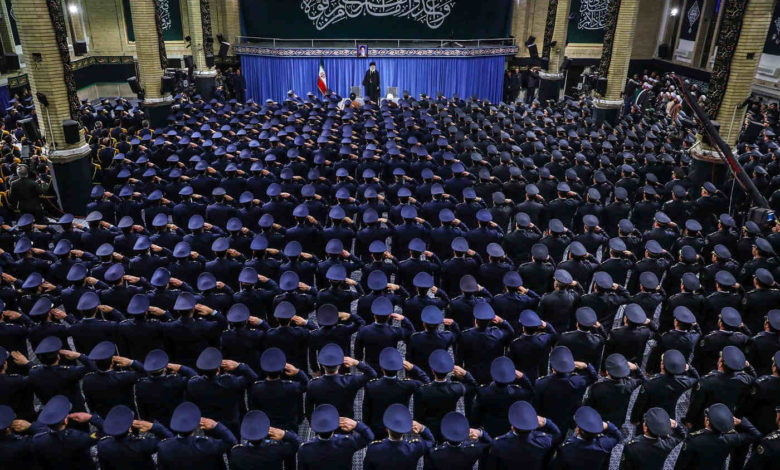
The veteran commanders, who followed a precaution for a long time, began to disappear from the landscape, and their place is taken by a new generation of military, more impatient and dogmatic, determined to save national pride in Iran, writes The Economist.
On Monday night, the Tehran regime ignored the warnings of President Donald Trump and attacked the US military bases in Qatar and Iraq. The rockets floated above the skyscrapers of Doha, and the surreal images circulated on social networks, generating fears-even if the effects of the blow were minimal.
The attacks come with a sudden and threatening change in power inside the country, writes The Economist.
Radical military leaders take over the power from the clergy. In the medium term, this could report that the regime becomes more extreme, no more pragmatic, under the pressure of a devastating military campaign, writes the British magazine.
A struggle for the survival of the system
One of the reasons for this change is that the Iranian elite fears that it is in a fight for the survival of the country's political system.
Trump has already understood that he could approve a removal of the cleric-military regime. “Why wouldn't there a regime change?” He asked on June 22.
Israeli Prime Minister Benjamin Netanyahu also suggested to the Iranians that they should revolt.
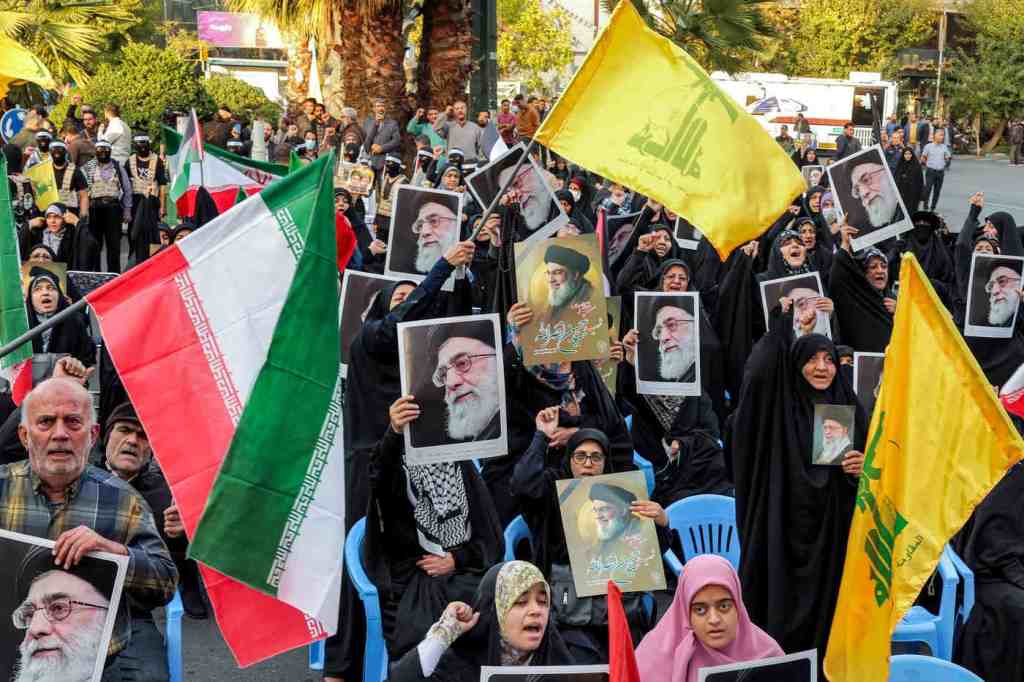 INTERVIEW. Armistice uncertain Israel-Iran-sua. What happens after a possible fall of the regime? “The Iranians would not accept someone like the son of the chess, because they would consider him imposed from outside.”
Attacks against non-nuclear targets have galvanized elements of indignant Iranian opinion behind the regime. But the most important thing is that, following the war, there has been a change in terms of people who hold power at the top.
The military seem to be imposed in front of religious leaders for the first time since the Iran Revolution in 1979. And they are not moderate, the Economist points out.
“The country is, in fact, under the martial law”
The supreme leader of Iran, Ayatollah Ali Khamena, is 86 years old, and for years has been speculated on succession, although it is not clear who could take control. The war changes this situation, accelerating the transfer of power to the military arm of the regime, the guards of the Islamic Revolution (IRGC).
In the first days of the struggles, Khamena, aged and isolated for her own safety, disappeared from the public stage. He delegated the decisions of a new council, or Shura, dominated by Irgc. “The country is, in fact, under the martial law,” an observer stressed.
A new generation, impatient and more dogmatic
As the guards of the Islamic Revolution take control, his elite quickly turns under the effect of the murders committed by Israel. The veteran commanders who followed the “strategic patience” for years, limiting their fire when their leader, Qassem Soleimani, was assassinated in 2020, and abstaining when Israel hit the Allies of Tehran, Hamas and Hezbollah, in 2024.
Now, a new generation, impatient and more dogmatic, took their place and is determined to save national pride, writes The Economist.
“The maximalist position was strengthened,” an academic close to the reformist camp said. He claims that the decision makers before the war were debating whether to give up their anti-Israel position. But “now everyone is intransigent.”
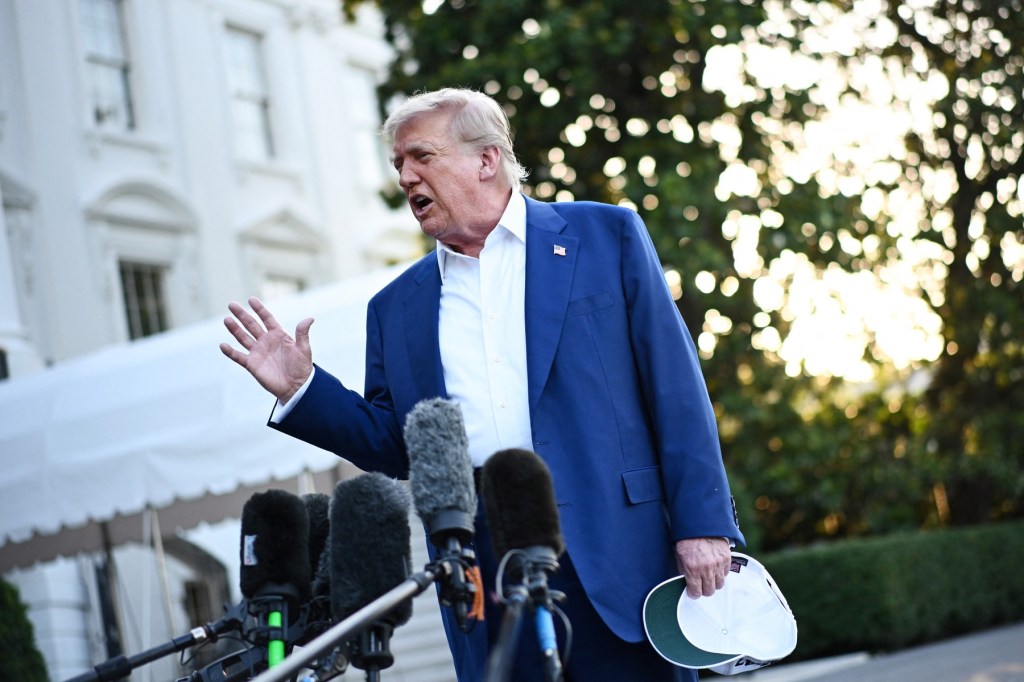 Video Donald Trump, an angry reaction after Israel resumed bombing in Iran. New message about the US Armistice: “All planes will return”
The generational change is aggravated by a new cohesion in a military-industrial complex renowned for paranoia and intrigues, writes The Economist.
A year ago, the regime was shaken by internal fights. Business people, professional military and ideologues fought for supremacy within the IRGC. The extremists chased the pragmatic from the state institutions.
The rival factions have accused each other for the death of the president of the country in a mysterious helicopter accident in 2024. Now, they seem to unite against a common external enemy.
What do the ordinary Iranians say
How much public support is enjoying this new power configuration is unclear. Many Iranians regret the billions of dollars that their generals have dispelled in two decades of useless wars through intermediaries and even now some Iranians describe Israeli-American attacks as a chemotherapy for cancer cell removal.
Israeli bombings seem more and more meant to exploit this dissension and destabilize the country. Among the recent targets in Tehran are the police headquarters and the entrance to Evin, the Iranian prison for the most prominent political prisoners.
However, in parallel, the war triggered a wave of nationalism.
No one responded to the calls of Netanyahu, the Israeli prime minister, or Reza Pahlavi, the monarchist claimant, for a popular revolt.
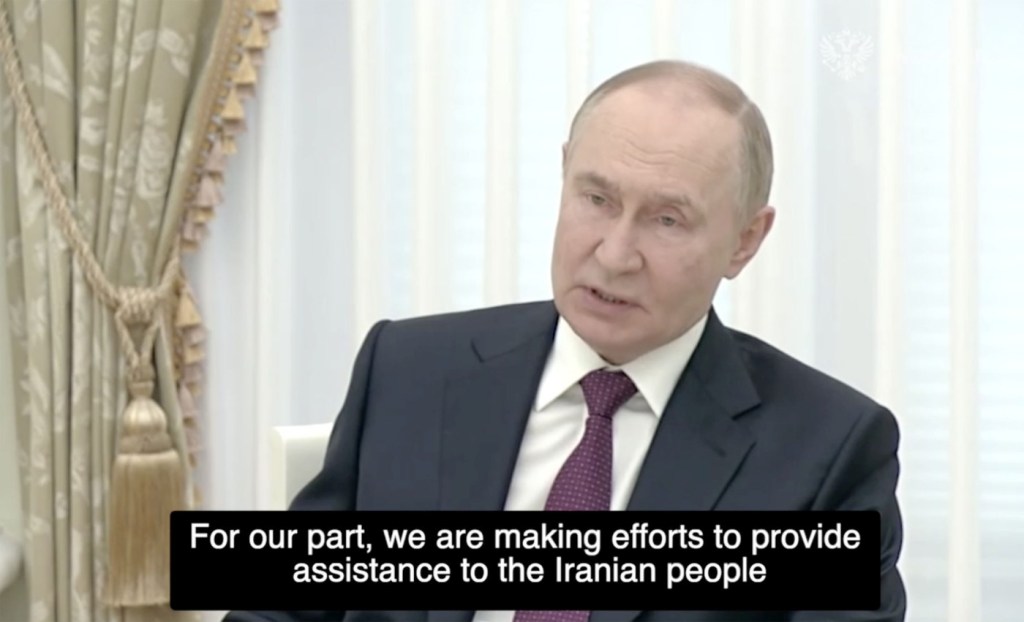 “There is nothing to discuss.” Iran asked the help of Russia to the War with Israel until the last moment. Why didn't Vladimir Putin reply
The initial admiration for the military skill of Israel turned into indignation as its targets expanded and the number of the dead increased. The contempt for the powerlessness of Irgc has become proud for the speed with which he reconstructed.
The Iranians who fled the capital return. Those who once supported Israel were now teaching the police suspected Israeli agents.
Politically detained women, the mothers of the protesters executed and the exiled Pop Iranian stars have launched calls for mobilization for the defense of Iran.
Fewer disposed to negotiation
Tip change could dramatically change the decision -making process in Iran. The extremists have always opposed negotiations with America.
They remember Muammar Gaddafi, the Libyan dictator, who taught the weapons of mass destruction in exchange for lifting the sanctions, and Saddam Hussein, who granted UN monitors unlimited access to Iraq. Both were overturned by Western interventions.
Now, even the moderates feel cheated: the last round of negotiations with America, scheduled for June 15, caused him to leave his guard, even when Israel attacked.
An even more militarized state, determined to challenge and respond
The big question is whether the regime will take a break or follow something even worse. Without a trusted mediator and without an obvious output in the conflict, the most sober decision makers seem to have been set aside. An increasingly large group advocates for the manufacture of a bomb. During the period prior to the American attack, Iran removed the rich uranium stocks and probably centrifuges from the locations targeted, supports a source from within.
The satellite images on June 20 show a tail of trucks at the Fordo gate. Some suggest the detonation of a nuclear device to demonstrate Iran's ability. Others support the throwing of an ogive covered with uranium of military quality on Tel Aviv.
The transition from religious to military authority has some advantages, writes The Economist.
Ayatollahul Ruhollah Khomeini, the initial leader of the Iranian revolution, warned against the entry of Irgc into politics, fearing that the military could undermine the theocracy.
This could bring a relaxation of the religious restrictions of the regime. In the last days, state television has shown women with hair coming out of their scarves.
But the perspective that Iran is governed on an unlimited term by the new council has other consequences, including an even more militarized state, determined to challenge and respond, and more ruthlessly in suppressing the internal dissident.