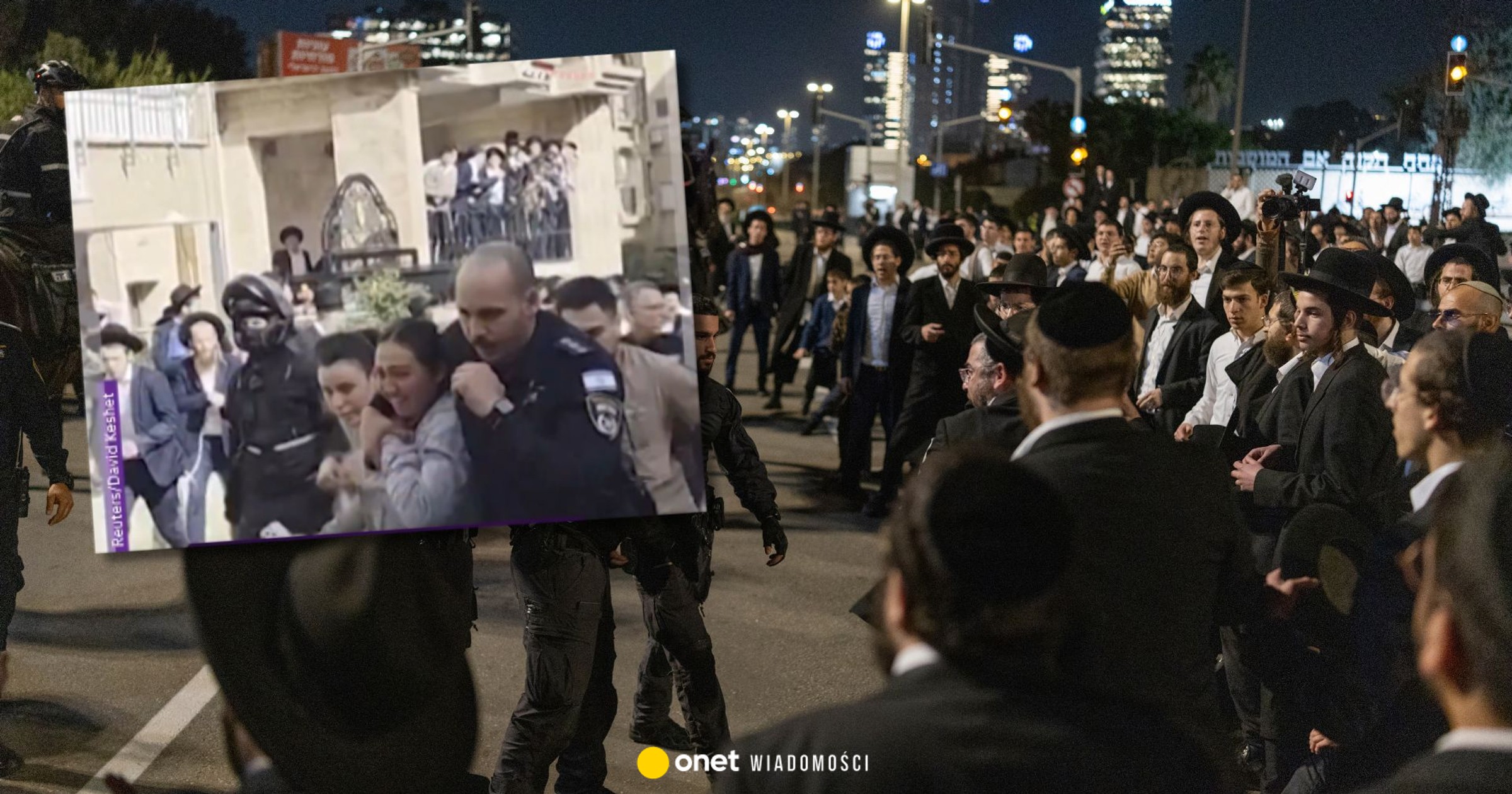
Israel wants to destroy Iran's “nuclear top”. Counts on “the mother of all bombs”

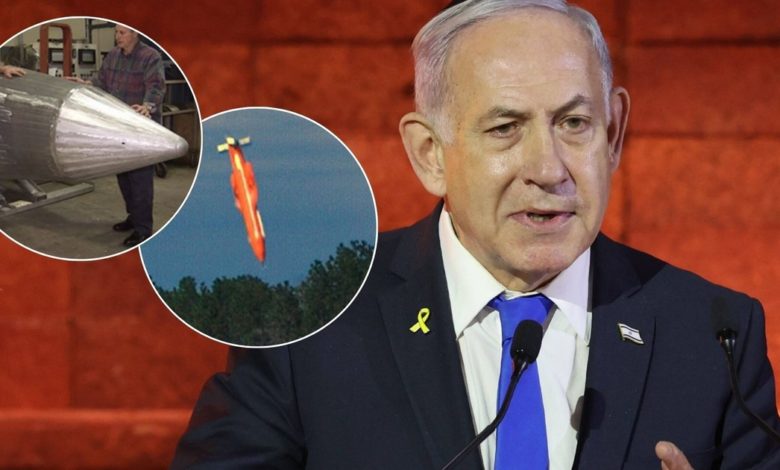
From Friday, June 13, when Israel attacked Iraq, tensions between the two countries reached a new level of intensity. The Israeli politician already in February this year, at a meeting with the secretary Trump Marek Rubio, stated that he intends to “finish the work” against Iran, referring to attacks on nuclear objects of the Islamic republic.
Since the late 1990s, the Prime Minister of Israel has constantly sought to conflict with Iran, he claims to destroy the nuclear infrastructure in Tehran, but also to strengthen his influence in the region. Currently, Israel's prime minister seems to be determined to devastate the nuclear potential of Iran and undermine the regime in this country.
According to Israeli observers, cited by the Modern Diplomacy portal, there are four real scenarios of an Israeli attack on Iranian nuclear objects:
- Cooperation scenario: USA and Israel cooperate as part of a joint attack.
- The conflict scenario: Israel attacks independently, undermining the US diplomatic efforts.
- Investment scenario: Saudi Arabia offers the US huge investments to avoid destabilization of the region.
- Solo script: Israel attacks independently, with the silent consent of the White House.
US priorities will be decisive, although they may be contradictory. Some Congressmen demand direct military activities against Iran, while others support Biden's administration appeals for restraint and de -escalation.
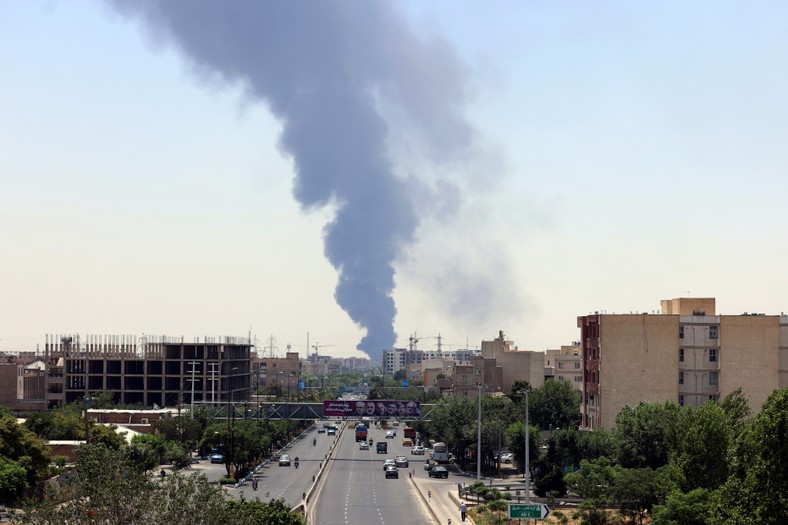
Smoke from oil refinery over residential buildings in the southern part of Tehran after Israel's attacks, Iran, June 15, 2020.
GBU-43/B MOAB-“Mother of all bombs”
The German newspaper “Bild” recently informed that the special envoy of Trump in the Middle East, Steve Witkoff, was to say that the US “would provide Israel with one of the most powerful non-noisy weapons systems” and mentioned “11-ton bombs”. The description indicates that it may be about the “mother of all bombs”: the non-noisy GBU-43/B MOab bomb, which weighs 10 ti, can destroy deep underground bunkers.
Bild reports that these bombs have been on Israel's “wishes” for many years, but so far all presidents – from George W. Bush to Joe Biden – rejected their transfer to Tel Aviv. During his first term, he also refused Donald Trump, and currently there is neither official nor unofficial confirmation or denial that he intends to support Israel in this way.
The American intelligence services, despite this, estimate that in the absence of an agreement, Israel could attack Iranian nuclear objects, most likely the Uranium enrichment plant in Ford, in the first half of 2025.
Here's what the US ambassador to the Middle East, Ryan Cocker, was well oriented about him, in an interview with Politico:
The use of GBU-43/B MOAB could cause a regional war and change the geopolitical landscape at the beginning of the 21st century.warns Modern Diplomati. Time will show whether tensions will continue to escalate or whether diplomatic efforts will be able to prevent the open conflict between Israel and Iran.
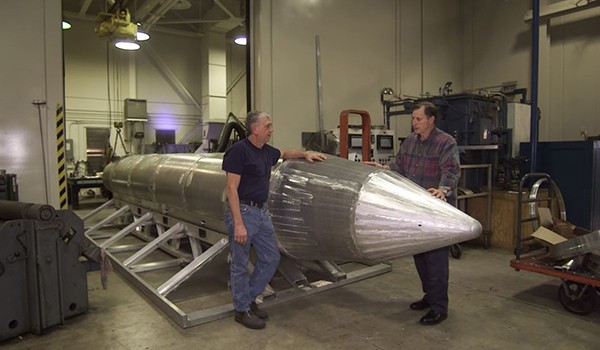
The creator of “Mothers of all bombs” GBU-43/B MOAB Al Weimorts (L) and designer of her model Joseph Fellenz, USA, January 1, 1970.
“Nuclear Mountain” Iran
The Ford's nuclear object in Iran is a serious challenge for Israel in the context of regional tensions. According to the information of News.ro, located near the city of Kom, the Uranus Factory is buried half a kilometer under the mountain and surrounded by air defense systems.
Ford is considered a key object in the Iranian nuclear program. Behnam Ben Talebl, a researcher from the Democracy Defense Foundation, emphasizes its meaning: “Ford is everything for the Iranian nuclear program.” The object, built to withstand a frontal attack, houses centrifuges and sufficiently enriched uranium for the production of nuclear weapons.
The natural and artificial protection of the Ford complex makes it almost insensitive to conventional air attacks. Deeply buried under the rock and protected with reinforced concrete, Ford is out of the reach of Israel's weapon – at least the one that is known to have it in his arsenal.
In addition to Ford, Iran has recently built a deeper hidden and better protected object in Kuh-e Kolang Gaz Lathat is, after Perska Góra-Kilof. This new facility has at least four entrances to the tunnel and larger underground rooms, which makes it even more difficult to attack than Ford. In 2022, the Washington Institute of National Science and Security informed about its creation.
Ben Talebl draws attention to a serious issue:-The key question is whether Iran will hide, or maybe have already hidden, fissile materials in Kuh-e Kolang Gaz La or another, unknown institution.
History of tensions between the USA and Iran
Relations between the USA and Iran gradually deteriorated after the Islamic revolution in 1979. In the 1980s, the US supported Iraq in the war with Iran. In the 1990s, Bill Clinton's administration imposed a total embargo on relations with Iran.
In 2002, President George W. Bush included Iran in the “Axis of Evil”. In 2007, the United States allegedly blocked the Israeli plan to bomb Iran's nuclear objects. Over the next three years, the US and Israel used Stuxnet's computer virus to destroy almost one fifth of Iranian nuclear centrifuges.
In 2015, a nuclear agreement was signed with Iran, from which the US withdrew in 2018 during Trump's rule. The tensions intensified in 2020, when the United States killed Iranian general Kasze Soleimani.
So far, President Trump has not clearly found whether he would help Israel to destroy the Iran nuclear program. He stated, however, that Tehran would experience the “unprecedented strength” of the American army if he attacked the US in any way.