Russian ruble – “surprise” of the year: it is the best performing currency in the world, despite sanctions. What are the explanations

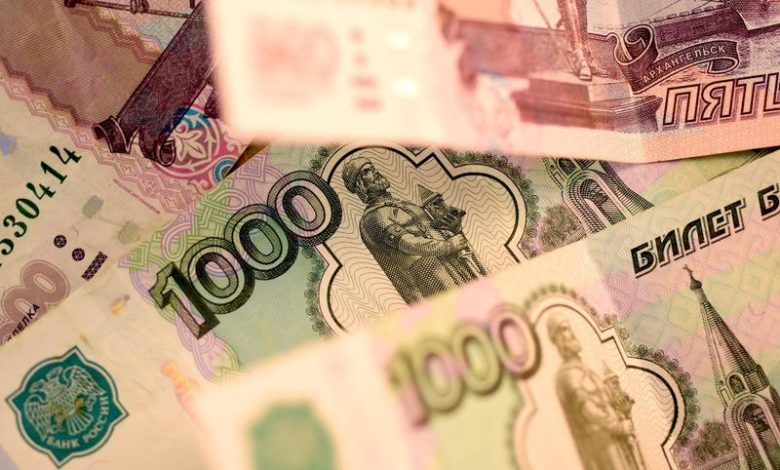
Despite a prolonged war, the lowering of oil prices and severe sanctions, the Russian Ruba registered a spectacular increase in 2025, becoming, according to Bank of America, the most efficient currency in the world, with an advance of over 40%. This strong return contrasts with the severe depreciation of the last two years, according to CNBC, quoted by News.ro.
What does this ascent of ruble feed?
The explanation is not about a wave of optimism from foreign investors, but rather the strict capital controls and the restrictive monetary policy of Russia, say analysts. The weakness of the dollar also came as a bonus.
Brendan McKenna, an international economist at Wells Fargo, identifies three main factors: the high interest rate of the central bank, the foreign exchange and some progress, or attempts of progress, in the peace negotiations with Ukraine.
The central bank of Russia has maintained a high key interest, at 20%, to keep inflation. Expensive loans discourage imports, reducing the demand for currency.
“There was an overpass with electronics, cars and trucks at the end of last year, in anticipating the increase of customs duties,” explained Andrei Melaschenko, an economist at Renaissance Capital.
Meanwhile, Russian exporters are obliged to change part of their external income in rubles, increasing the rubble demand on the local market. The currency sales of the great exporters amounted to $ 42.5 billion between January and April, almost 6% more than in the previous period.
Another factor: the central bank began to reduce the monetary mass, the growth rate of the money supply, which in August 2023 was 23.9% per year, became negative in January, contracting with 1.19% per year, according to Professor Steve Hapkins University.
The hopes of peace and collateral effects
The hopes for a peace agreement, powered by Donald Trump's choice as president of the US, have also generated a wave of optimism, contributing to the strengthening of the ruble. Even so, analysts warn that this “boom” of ruble could be short -lived.
“We believe that Rubla is close to the maximum level and could begin to lose weight in the near future,” says Melaschenko, citing the lowering of oil prices, which affect export revenues.
McKenna, from Wells Fargo, completes: “If a peace agreement or an armistice is concluded, foreign currency controls could be raised, and the central bank would quickly reduce interest. In such a scenario, Rubla could be quickly depreciated.”
Economic compromises and vulnerability at oil prices
Russian exporters, especially from the oil sector, are already beginning to feel the pressure of decreased profit margins. For the Government, the combination of a strong ruble and low oil prices directly affects revenues, especially since oil and gases represent about 30% of the federal budget.
“The Ministry of Finance has been forced to resort to the National Welfare Fund to cover the expenses, and we may see funds in the non-territory areas if the tendency continues,” said Melaschenko.
Even so, except for oil, Russia's economy remains largely isolated from international markets, which makes a weaker rubby not necessarily bring a major competitive advantage, McKenna added.