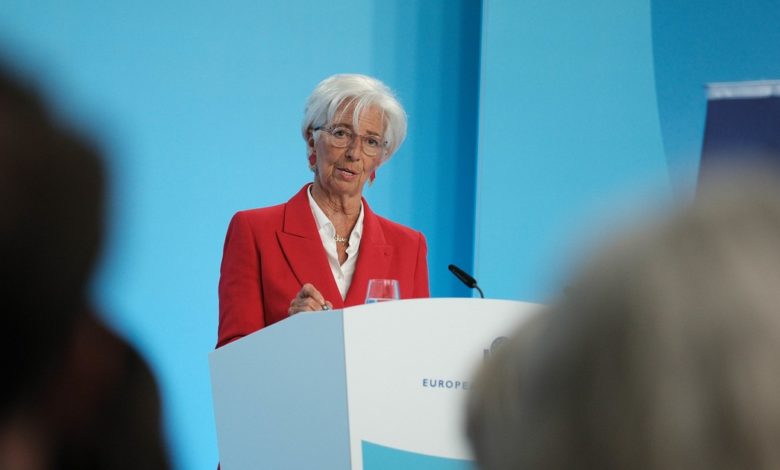
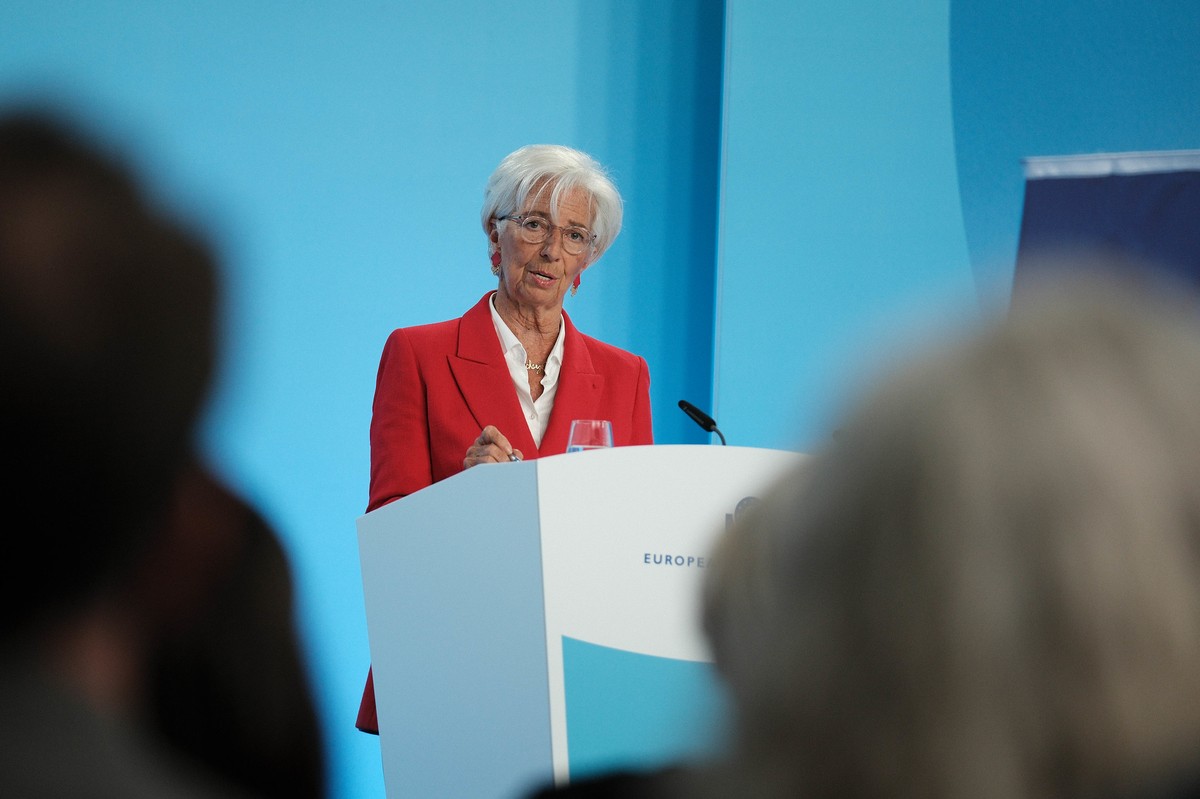
Lagarde said that the risks for economic growth are still tilted down. This is not as gloomy as recently when she said that ECB thinks “inheritance risks have increased.” Turning to inflation, Lagarde described the effect of Easter synchronization, which maintained the April inflation at a high level and turned in May, when inflation in the euro area was only 1.9 percent. After a decline from 2.2 percent in April.
She emphasized the issue of wages in her speech. Pointed to Further alleviating wage pressure in the future. She also emphasized that Inflation is expected to return to 2 percent. in 2027, even after a decline below the target next year.
“Inflation prospects are more uncertain than usual,” said Lagarde.
Read also: Adam Glapiński comments on a lack of foot reduction. When will the loan installments fall?
Possible sources of inheritance pressure are Falling energy costs and a strengthening euro. This may get worse if the higher duties in the US lead to a decrease in demand for export, and other countries will redirect their goods to the euro area.
She indicated that on the other hand, the fragmentation of global supply chains could increase inflation, as well as the increase in defense and infrastructure expenditure.
Decision on the “almost unanimous” feet
In terms of today's interest rate reduction, Lagarde said that it was a “almost unanimous” decision. Only one member of the council did not support this decision. It's about Robert Holzmann from Austria.
Continuing text under video material
Before the meeting, he called for a break in June and July, also to “keep calm” in the face of ongoing EU-US trade tensions.
In terms of GDP growth, Lagarde stated that the supply of demand in order to bypass American tariffs probably increased production in the first quarter. He adds that she would not be surprised by further improvement.
Closer to the end of the reduction cycle
Lagarde repeated that EBC after today's reduction is in a “good position” to face uncertainty, but signaled that this does not necessarily mean that EBC has completed a rate of foot.
Lagarde revealed that The central bank of the euro area is approaching the end of the cycle with today's interest rate reduction. However, this does not mean the announcement of victory over inflation. – Victory is always pleasant, but there is always another battle. I think We are approaching the end of the monetary policy cycle, which reacted to complex shocks, including Covid, including a war in Ukraine, an illegal war in Ukraine and an energy crisis She said.
Euro unexpectedly strong
The Presidents' Council debated on Thursday on the role of the euro in the global financial system and as a reserve currency in the last two days – said Lagarde. At the same time, she emphasized that now the rule and the European Commission must take this opportunity, “when taking steps to strengthen capital markets and maintaining efforts to make Europe a place where the rule of law is observed.”
“This should not be treated as something obvious,” she said. According to her The strength of the euro is probably the biggest surprise for decision makers at the moment. They expected that he would lose its value after Trump announced trading tariffs, which would cause inflationary pressure through higher import prices. However, the euro has gained significantly, which intensified disinflation forces.
Lagarde said several times that it was “counterininating”, but it can be explained the unpredictable Trump's policy and the uncertainty she caused. However, the situation may change quickly, so “EBC must remain vigilant, even if it does not aim at the exchange rate.” EBC has published its economic scenarios in addition to new forecasts. The mild script is based on the US-EU tariff agreement in the third quarter and lower US-China customs.
“There would be a significant improvement in growth prospects in the euro area in relation to the base level, while the influence on inflation would be limited,” said Christine Legarde.