The metropolises of the future, built from scratch. The urban experiments of the 21st century, of hundreds of dollars

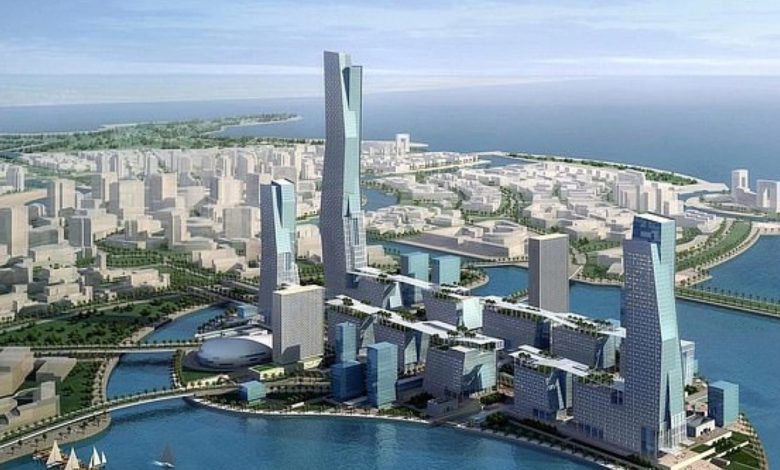
Hundreds of billions of dollars are invested in the cities of the future, giant urban projects designed to respond to the challenges of the 21st century. Their plans are based on smart infrastructure, state -of -the -art technologies and a high quality of life offered to future inhabitants.
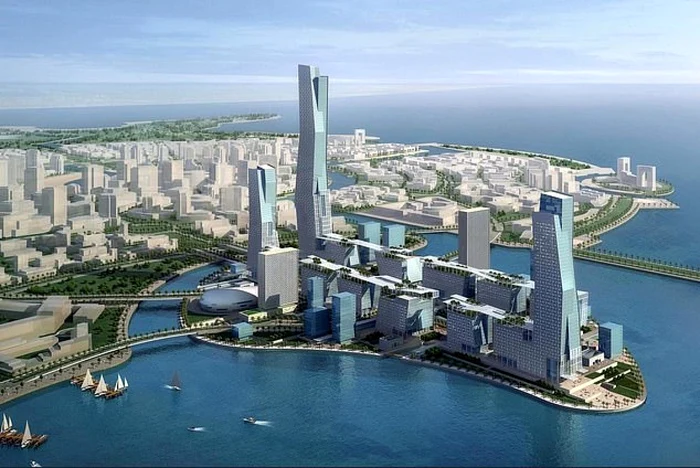
Neom project. Source: Daily Mail.
Several ambitious urban projects, launched worldwide, offer perspectives on the most spectacular cities of the future. Several rich countries have announced the construction of futuristic metropolises, based on state -of -the -art technologies, digital infrastructure, green transport, ecological architecture and quality of life.
Some projects have aroused controversy due to huge costs, environmental risks, re -remarriage of local communities and their economic efficiency, but at the same time they are presented as models of vision and innovation in urban development. Here are some of the most spectacular projects.
Neom, Metropola without cars
Neom is an urban megaproiect launched in 2017 by the inheriting prince Mohammad bin Salman, conceived as a symbol of the transition of Saudi Arabia to a post-Petrol economy. Spread on 26,500 square kilometers, will be completely fed with renewable energy.
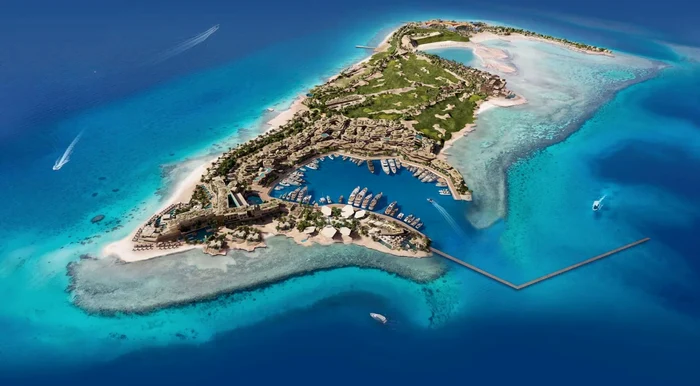
Neom metropolis island. Sketching. Source: Wikipedia
Part of the Neom metropolis, The Line will be a futuristic linear city, 170 kilometers long, with an unusual shape: it includes a single 500 -meter and 200 meters wide building, like a blade of mirrors planted in the desert.
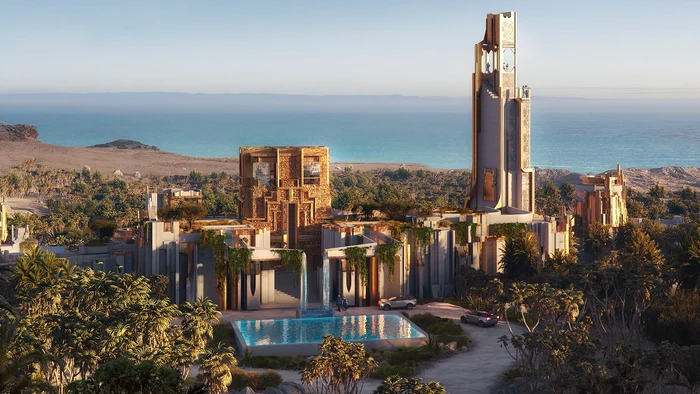
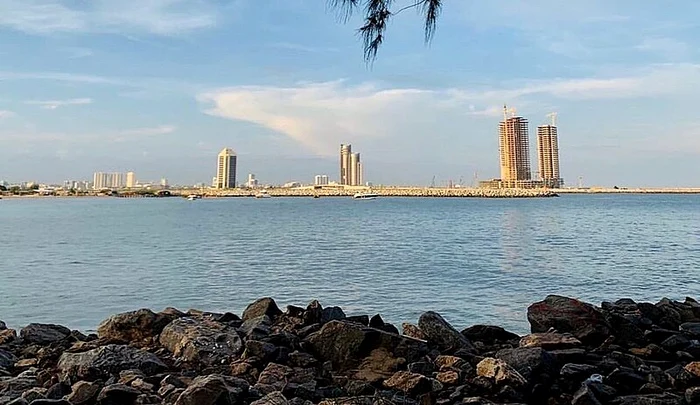
Eko Atlantic. Source: Wikipedia
Forest City – the ecological city, now ghost
Forest City is a mega-project of $ 100 billion, launched in 2016 by the Chinese real estate giant Country Garden, in order to create an ecological city of one million inhabitants in Malaysia. Designed in full Chinese real estate boom, the project promised modern facilities such as golf courses, water parks and business centers.
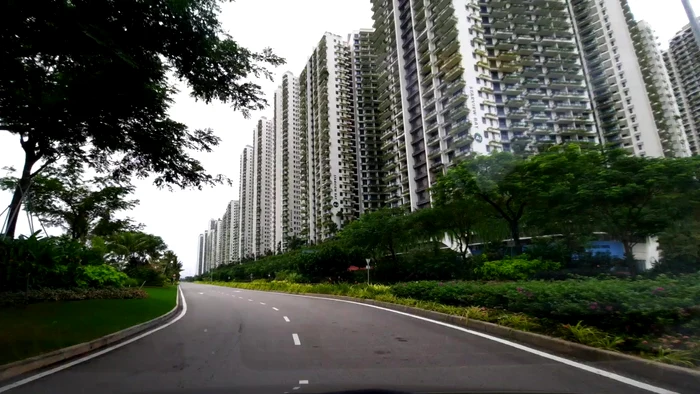
Forest City. Source: Wikipedia
In 2024, it was appointed by the government as the first financial area without taxes in Malaysia, to attract global companies. However, Forest City has largely remained a ghost city with less than 10,000 inhabitants, although it impresses with its futuristic architecture.
Masdar City – the first city with zero emissions
Masdar City, initiated in 2006 at Abu Dhabi, in the United Arab Emirates, is an ambitious project, conceived as the first city with zero emission, completely powered by solar energy.
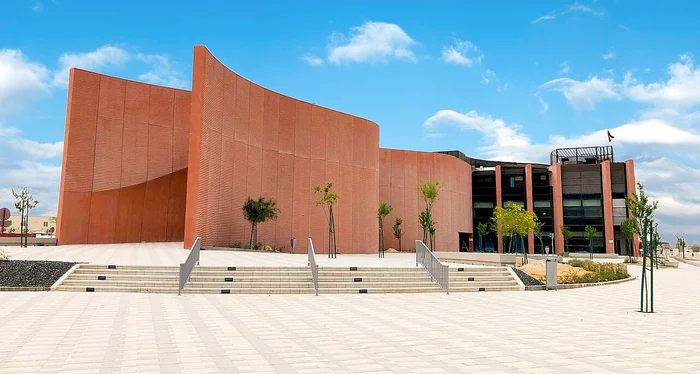
Building in the masar. Source: Wikipedia
With an estimated budget between $ 18 and $ 22 billion, the project was to be completed in eight years, but the global financial crisis delayed the works until at least 2030. The city with an area of six square kilometers includes autonomous vehicles, energy efficient buildings and resource conservation technologies.
King Salman Park, the largest urban park
King Salman Park (King Salman Park-KSP) is one of Riyadh's urban mega-droopes in Saudi Arabia. The project was revealed in 2019 as part of the Green Riyadh initiative, which aims to expand the green spaces in the capital.
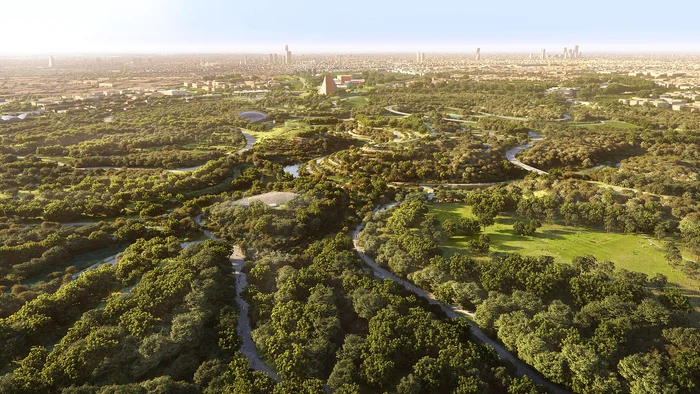
The sketch of the future park. Source: Wikipedia
The park is built on the field of the former Riyadh air base and will cover an area of over 16 square kilometers. After completion, King Salman Park will become one of the largest urban parks in the world and will include theaters, museums, thematic gardens and sports areas, in the heart of Riyadh.
Lusail City – the luxury city of Quartar
Lusail, built from scratch, is the second largest city in Qatar, after Doha, and the new economic capital of the country. Located north of West Bay Lagoon, the city covers over 38 km² and is designed for 450,000 people, including residents, employees and visitors.
Lusail integrates artificial islands, luxury resorts, thematic neighborhoods, parks, malls, schools and hospitals, everything in an autonomous and sustainable urban model. The city houses the Lusail Stadium, where the FIFA 2022 World Cup final took place, and a Formula 1 circuit.
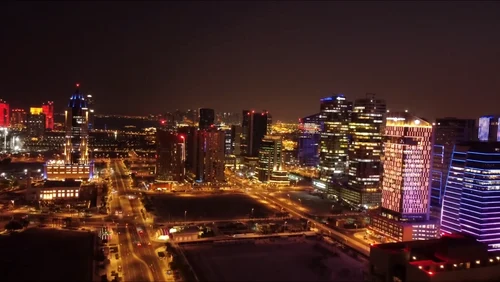
Image 1/8:
Aerial View of Lusail SkyScrapers (1) PNG
“With 22 luxury hotels classified internationally, Lusail promises to become a major point of attraction for tourism, hospitality and investments in Qatar, due to its vibrant and multicultural mix. The city's ambitions to provide a green and sustainable living through lush green areas, neighborhood parks, but also two major parks: Crescent Park Park.shows the city's website.
Songdo – the intelligent city
Songdo, officially known as Songdo International Business District, is a smart city built on 600 hectares of land recovered from the yellow Sea, near Finon, South Korea.
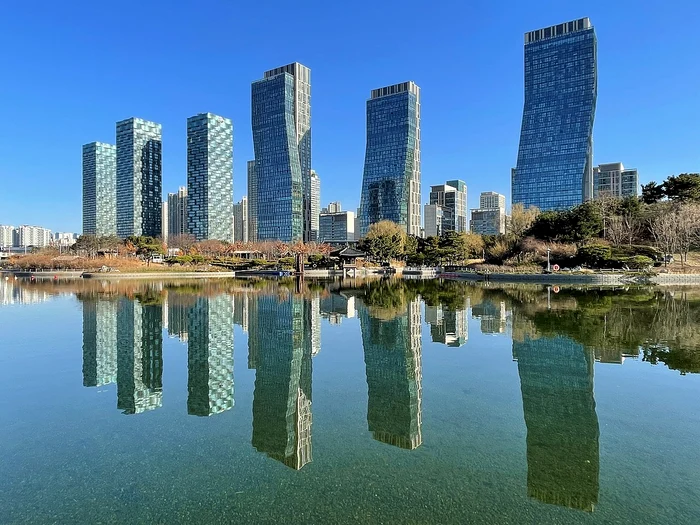
Songdo. Source: Wikipedia
Connected to Conccheon International Airport through a 12.3-kilometer bridge, it is part of the Free Economic Zone (IFEZ). Inspired by international models such as Central Park or Venice, with a current population of about 167,000 inhabitants, the city comprises a global campus, business centers, a pharmaceutical hub and international institutions.
Xiong'an, China's newest metropolis
Xiong'an New Area is a national level of strategic development, created in 2017 in the province of Hebei, near Beijing. The project of the futuristic city aims to reduce the urban pressure on the capital and to integrate the Beijing-Tianjin-HEBEI region into a unitary economic pole.
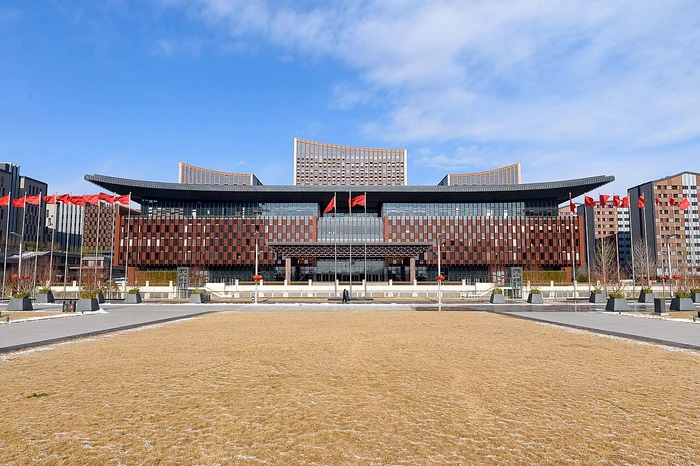
Xiong'an. Source: Wikipedia
Xiong'an will host headquarters of state -owned companies, government agencies and research centers, being planned to develop in stages by 2035, with the complete completion estimated in the middle of the 21st century. The city is designed for a population of about 5 million inhabitants.
Amaravati, the green city of India
Amaravati is planned to become the first “smart city” in India centered on people and built on principles of sustainability and quality of life, with the ambition to become the happiest city in the world.
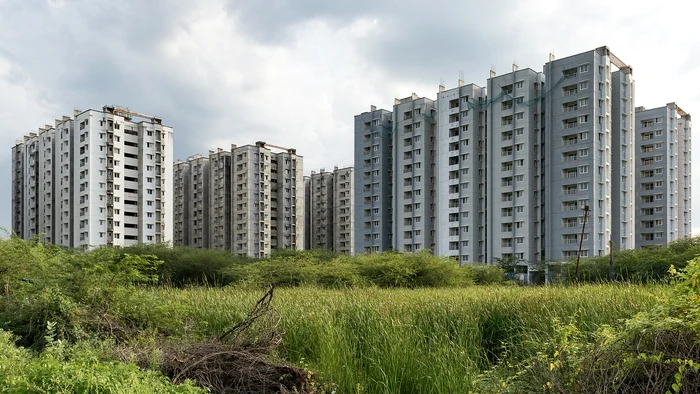
Amaravati. Source: Wikipedia
Among the innovative ideas in the design phase are waterways around the city, connecting to an island on the Krishna River. The city is planned to have 51 percent green spaces and 10 percent water bodies. The urban model is inspired by Singapore.
Telosa, the city of the US Future
Telosa is a utopian city proposed in the United States, designed by billionaire Marc Lore and announced in September 2021.
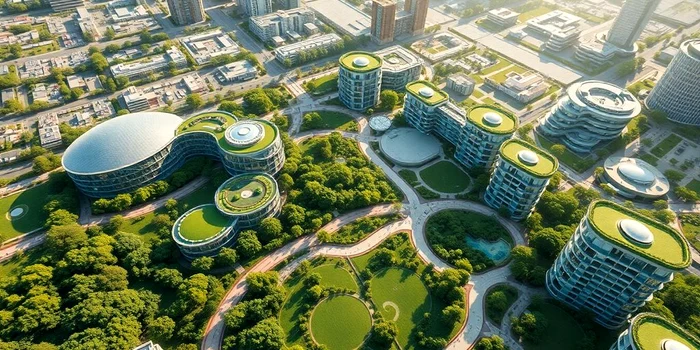
Telosa. Source: ceniabc.com
“Telosa is a new city idea in the US, which promises to be focused on sustainability and community. Intelligent technologies are the basis of urban planning of the city of Telosa. From energy efficient buildings to smart traffic management systems, technology is used to improve urban life,” The city planned in the US, in the publication of Citiabc.com, is desis. The project aims to accommodate five million inhabitants by 2050, the first stage aimed at 50,000 people. The city would be built either in the Apalaș region or in western US deserts.