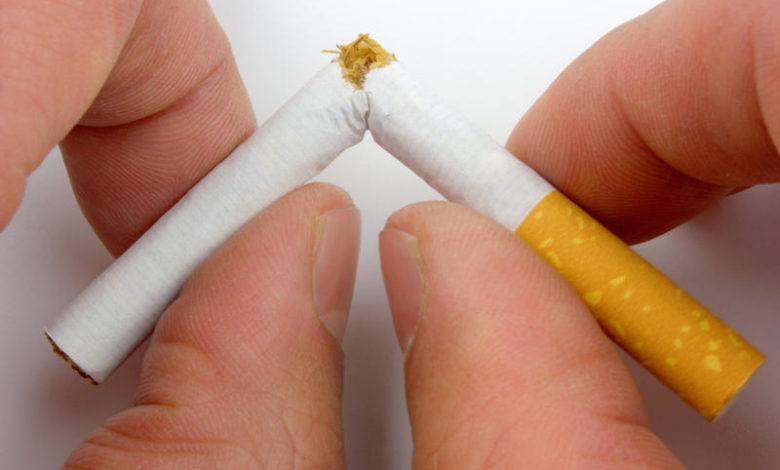
Nicotine withdrawal brings anxiety and frustration, which can be fought if you choose to walk outdoors or do light, breathing -focused exercise, says Medical Pneumologist Beatrice Mahler, former manager of the Pneumophysiology Institute Marius Nasta from Bucharest.
On Saturday, May 31, the World Day without tobacco is marked.
Pneumologist Beatrice Mahler comes with 10 tips for smokers:
1. It is essential to know what triggers your impulse to consume nicotine or tobacco.
The mechanisms that induce tobacco addiction are created in the brain by associating with certain habits, certain places, even certain people. Knowing the triggers that make you smoke, you will be able to control those states.
Make a plan for each situation. For example, if you take a break at work with other people who consume tobacco or nicotine, you may want a cigarette at that time, when you are with those people, it would be useful to support your choice to quit smoking creating a “tea corner” for socialization, replacing the place where it is “smoking space”.
2. Distrag your attention until the craving for nicotine or tobacco improves, because the craving for nicotine can be strong, but often diminishes in a few minutes. Try to do for 10 minutes other things you like and require concentration so that you think about smoking.
3. Choose that instead of consuming tobacco or nicotine, you have a healthy snack, a mentholated candy, or a glass.
4. It did not give up the craving for nicotine, although it is difficult. Most people who decide to smoke only one cigarette, for example, get to smoke again at the previous pace. And another part of smokers, no longer try to give up tobacco once they reach low levels of tobacco consumption, although the risks of consumption are maintained and cumulated.
5. Physical activity can help manage the mood and craving for cigarette as you quit smoking. Nicotine withdrawal brings anxiety and frustration, which can be fought if you choose to walk outdoors, or do easy physical exercises.
6. If you smoke to manage stress, try other new ways to relax.
7. Establish a support system to help you resist the craving for cigarettes, for example a psychologist or a group of former smokers, even online, with which to approach the weights to manage delicate moments.
8.
9. The the benefits of quitting smoking. Write or tell you aloud why you want to quit smoking and resist the craving for tobacco. These reasons could include: I want to feel better, I want to be healthier/healthy, I want to protect the family from passive smoking, I want to save money.
10.
Most of these nicotine replacement therapies do not require a recipe, but it is important to know how to use them, how long you use them and what product you choose: gum, spray or patches. My advice: consult a pneumologist.