Presidential elections Tour 2. Massive vote in the diaspora / “I don't even know if I have any more expectations. I came out of fear, so that it is not worse. I do not want a closed country” / “My daughter does therapy in Austria, but also in Romania, at the Foundation of Mihai Neșu”

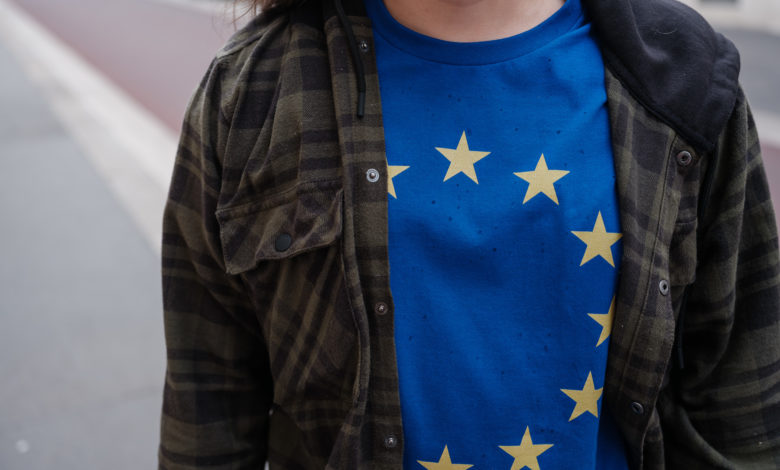
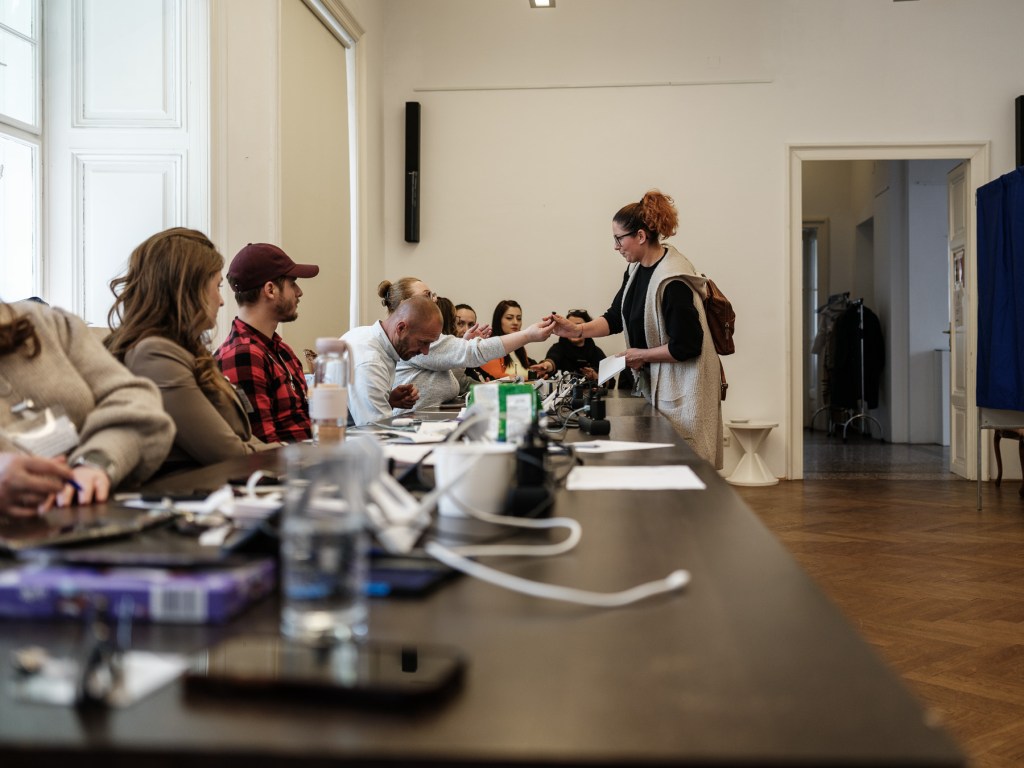
He voted double until Sunday in the diaspora and now the vote was opened in the country. The hotnews correspondents, present in Vienna, discussed with the Romanians. Some of them say they came to the ballot box to defend what binds us to Europe. Information on Vote Day: Live maps and interactive graphs with the presence and results from the presidential, All on the special section HotNews.ro.
- Journalists Elena Stancu and Cosmin Bumbuț have been living in the diaspora for 6 years and reports on the life of the Romanians. I live in a caravan so that they can move faster and stop where they live and work large communities of Romanians.
- They were on the fields, in factories, in Tire cabins, from Portugal to the UK and Germany, and from Denmark to Spain and Italy. They stay for months in a community, they become friends with people, they relate for a long time, in reports from which they have made a book.
- Now, in round 2, it happened what they said is for the first time in their career: when they tell about voting day, the tension is so high that there are people who refuse to dialogue.
Nicoleta Popa, 38, voted at Section 19 of the Romanian Cultural Institute in Vienna. He has lived in Austria since 2008, where he lives his entire family: his mother, former husband, two uncle. He has two children, a 10-year-old boy and a 7-year-old girl, Eleonora, who was only 10 months old in a serious road accident.
“I often wonder if that accident was held in Romania, did my little girl be saved? It was three weeks in an induced coma, she had 27 infusions. They gave us a minimum chance of life, but they saved her. Because they had everything needed, all the medicines, all the training.”
“It's very hard when I go with Eleonora there”
The girl has a head trauma and cannot go. He does therapy in both Austria and Romania, at the Mihai Neșu Foundation in Oradea.
“The state therapies in Austria, paid by the Insurance House, are weak. They play more with the children, they do not massage them, they do not stimulate their muscles. We go to Romania, in Neșu. Here, in Austria, where they are the same therapies, we do only once a year-it costs 6,000 euros for three weeks and only 10%.”
Nicoleta does not want to return to Romania because of how people with disabilities are treated. “It is very difficult when I go with Eleonora there. Romania is not prepared for trolleys, for children with special needs. Bordes, stairs, lack of elevators. My mother -in -law is on the 4th floor without a lift, and Eleonora has 30 kilograms. I do not dream of going to her.”
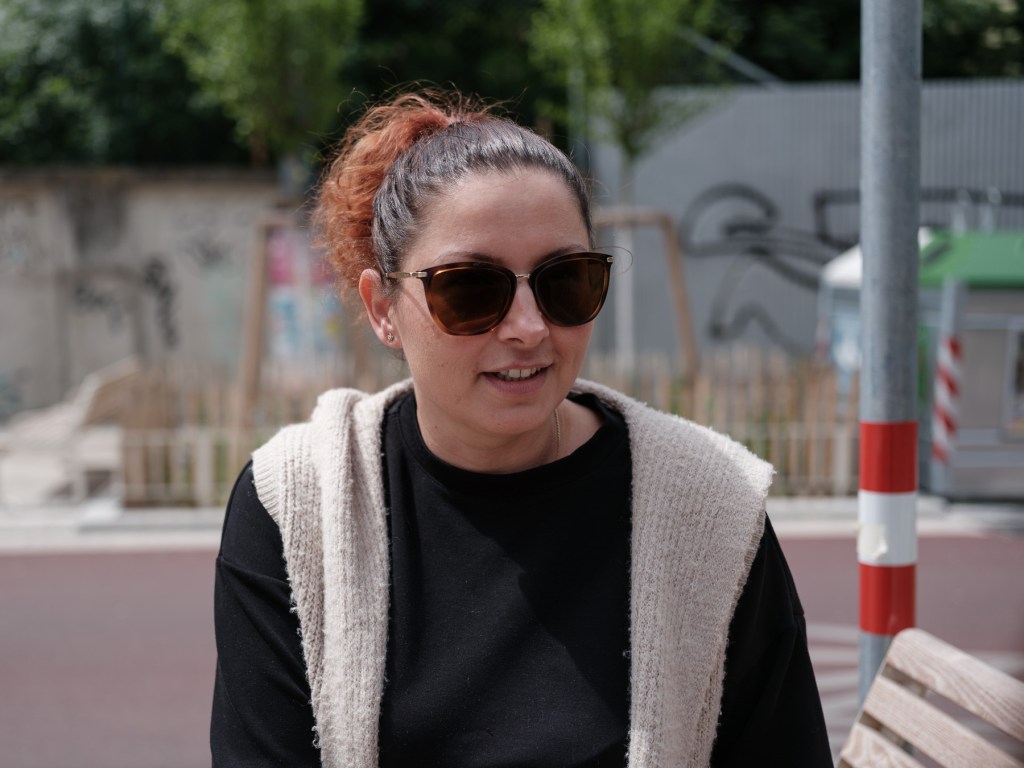
“I go on the street with my little girl in Romania and everyone looks at her like this:” Poor “. You don't have to be merciful to that child! I'm proud of her. Children like her must be integrated, not to look at them. I hope for Romania, if we stay in the European Union: to civilize.”
“We are good, smart people, we adapt easily, we learn the language. I have colleagues of other nations that even after months I do not know how to say fork. We, Romanians, learn quickly.”
Were first in Portugal then they arrived in Austria
Nicoleta's mother was the first to leave the country, after the Reșița steel combination was privatized in 2000, and the workers were made available. He left for Portugal, cleaning, and took Nicoleta after she finished her vocational school. The young woman worked there for three years as a nanny.
At 22, Nicoleta came to Vienna. “I was washing the dishes in a restaurant 10 hours a day, my hands were cut off, I was working with such bad Serbs and I didn't have the right to work. I worked there for two years.”
He learned German and then engaged in a kindergarten as an educator help (Kindergartenassistin), a field in which he is working today, even though in the meantime he has changed the job.
Meanwhile, her mother came to Austria, where she works as a cook. In Romania, Nicoleta has only one cousin. Her last connection with Romania, grandmother, died in January.
“Today I voted for those who stayed in Romania. At least they have a better life. I don't even know if I have any more expectations. I came out of fear, so that it is not worse. I scare my unconsciousness. I do not want a closed country. It is much better to be in Europe.”
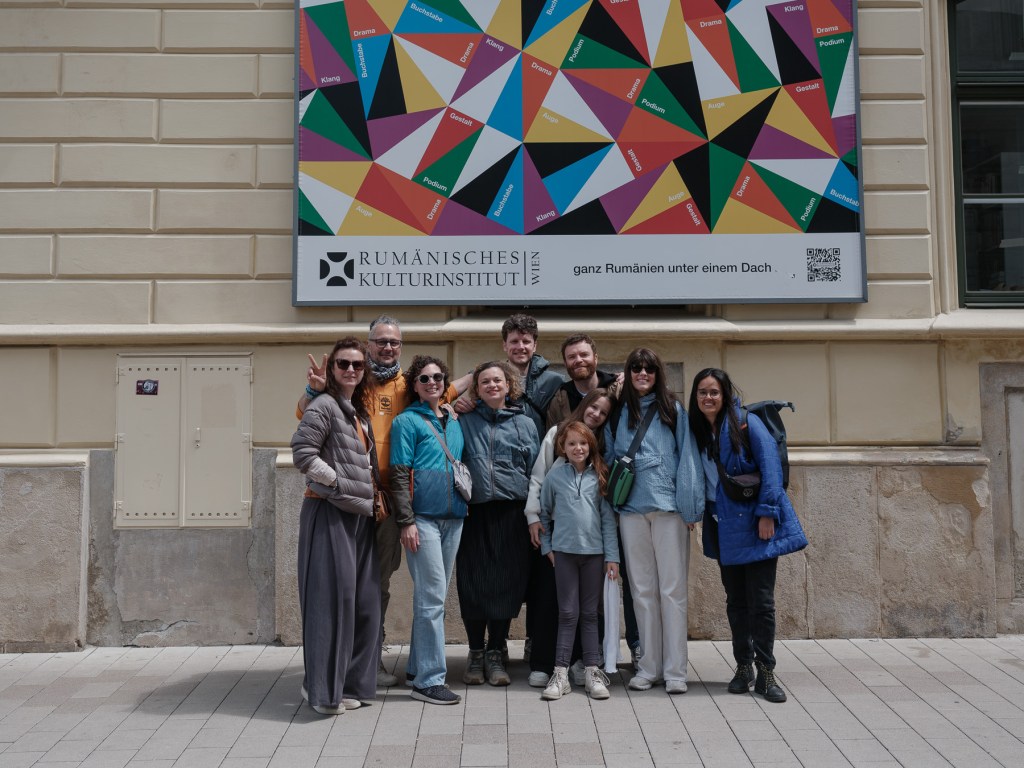
“I do not understand how some want to get out of Europe”
Nicoleta believes that belonging to the European Union has only brought us advantages. “We help our families more easily. In Austria you can work and study without having a baccalaureate. I only have a professional school and I work as an educator help. In Romania I would have no chance. I do not understand how some want to leave Europe.”
He lives in Korneuburg, a suburb of Vienna where many Romanians live. In the family it avoids political topics, because not all votes. “I say all the time: about politics and religion it is better not to speak, to stay in good relations.”
Even on social networks he does not want conflicts. “Even today a girl asked me:” Oh, are you with those? “It seems to me that everyone has the right to opinion. I do not say I am right, I just say what I think would be better.”
“It surprised me and disappointed me how the diaspora voted. I thought we, who went out in the world, see things differently. We better understand what civilization and chance. But when you choose something that can take you back, what was worse, I can't understand.”
20 years old in Austria
Bálint István and Katalin came to vote at the Romanian Cultural Institute in Vienna, together with their children, Flóra and Lehel, who are three, respectively nine years. The Bálint family is originally from Târgu Mureș and belongs to the Hungarian minority. István works in the banking field, and his wife, Katalin, in sales.
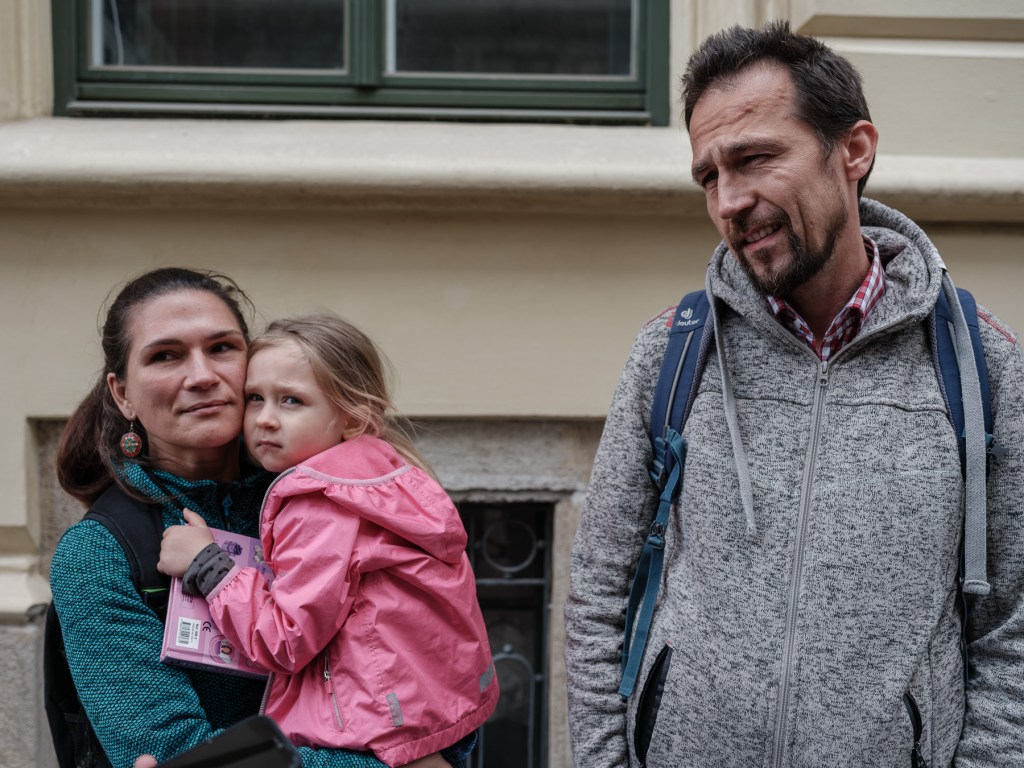
István has been living in Austria for 20 years, where he came first for professional opportunities, but also because he wanted more respect. “Here, at least, I did not see scared tablets with the message:” You are not at home, “he says. “The Târgu Mureș table with the Hungarian name I think five years was scared.”
From the future president he is waiting for “respect and acceptance”
Today they came to vote worried about the “hate tone in politics and the press”, especially since their parents and friends still live in Târgu Mureș. “We follow the events in Romania and we saw the beliefs of one of the candidates: anti-minorities and other people and this does not seem ok.
From the future president he is waiting for “respect and acceptance”. “It is not necessary to be all uniforms. We have traditions, we have a history together that is part of Romania. People should be proud to have diversity, not just want uniformity.”
“I am worried that people vote more on Tiktok instead of relying on information.”
Alexandru Dămăcuș has lived in Vienna for 10 years, where he works in the IT field. Today he came to vote at the Romanian Cultural Institute, together with his son, David, who is seven years old and was born in Austria. He is originally from Sibiu, but before he emigrated he lived and worked in Bucharest.
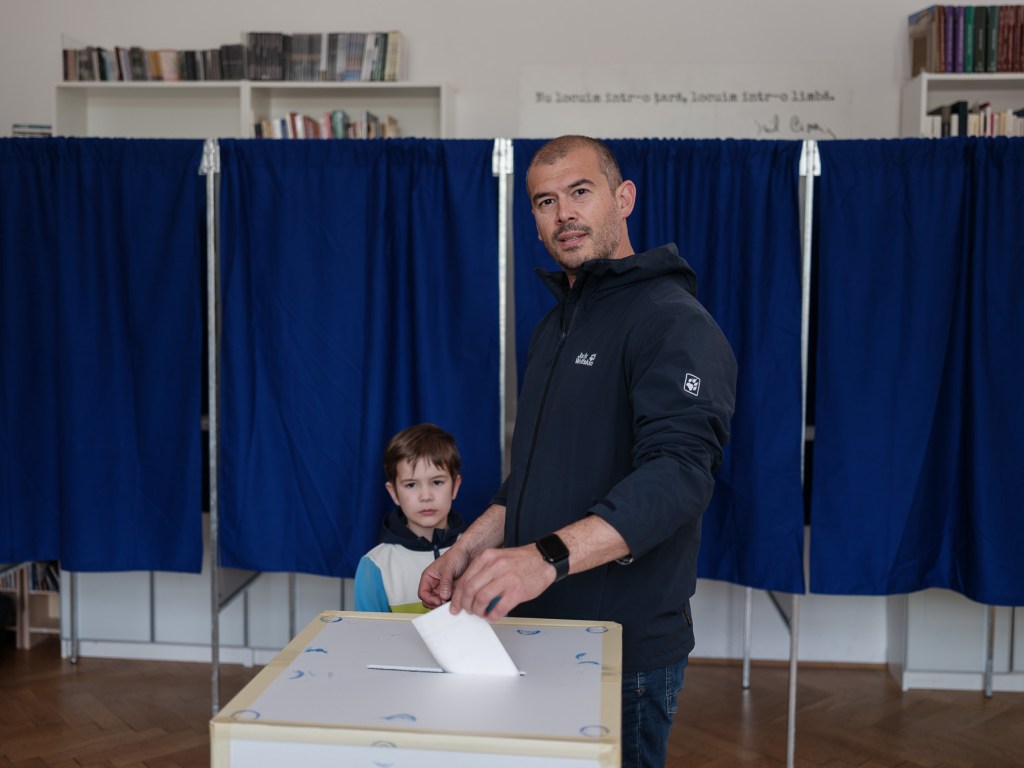
Alexandru did not vote in the first round, but now he came because he felt the stake is much bigger. “We usually go to the vote so that the others do not get to power. I came so that the other does not come out. I am worried that people vote more on Tiktok instead of relying on information.”
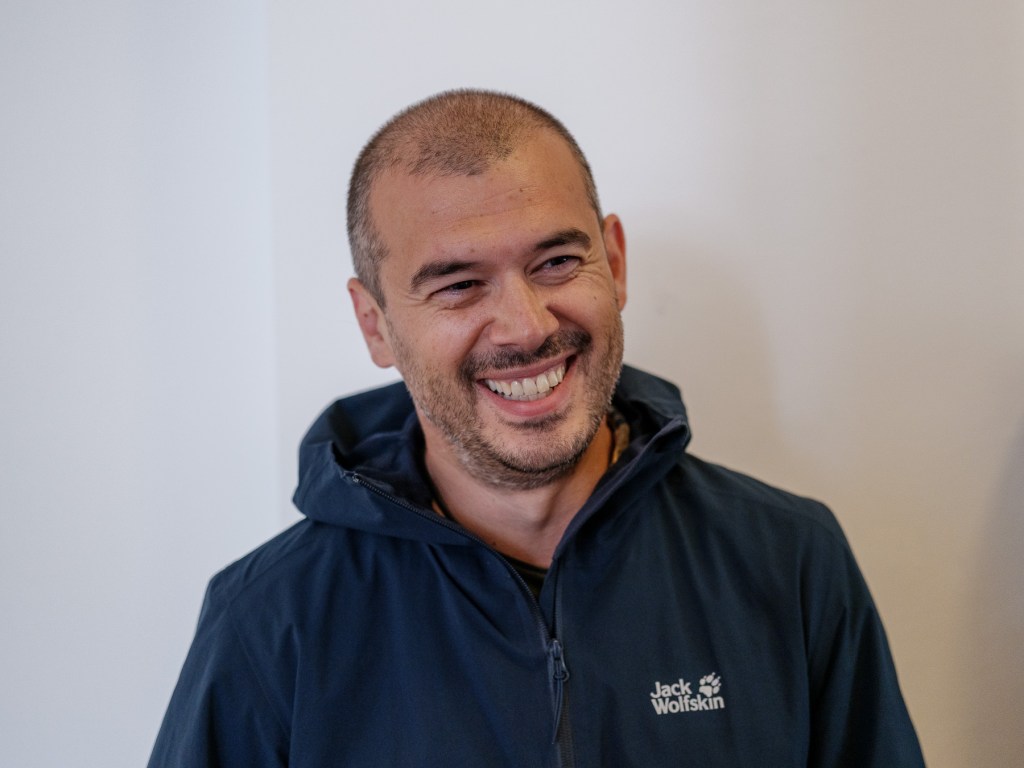
He did not leave Romania because of a dissatisfaction, but because there was a professional opportunity. Now his entire life is here in Vienna, and he does not think he would ever return to Romania. From the future president he has no high expectations, because he does not think he can change a lot.
He was urged to vote by his friends in Romania. “They have been pinging on WhatsApp,” he says. “There is a lot of agitated people during the election, many videos. After that, we calm down and we hear nothing.”
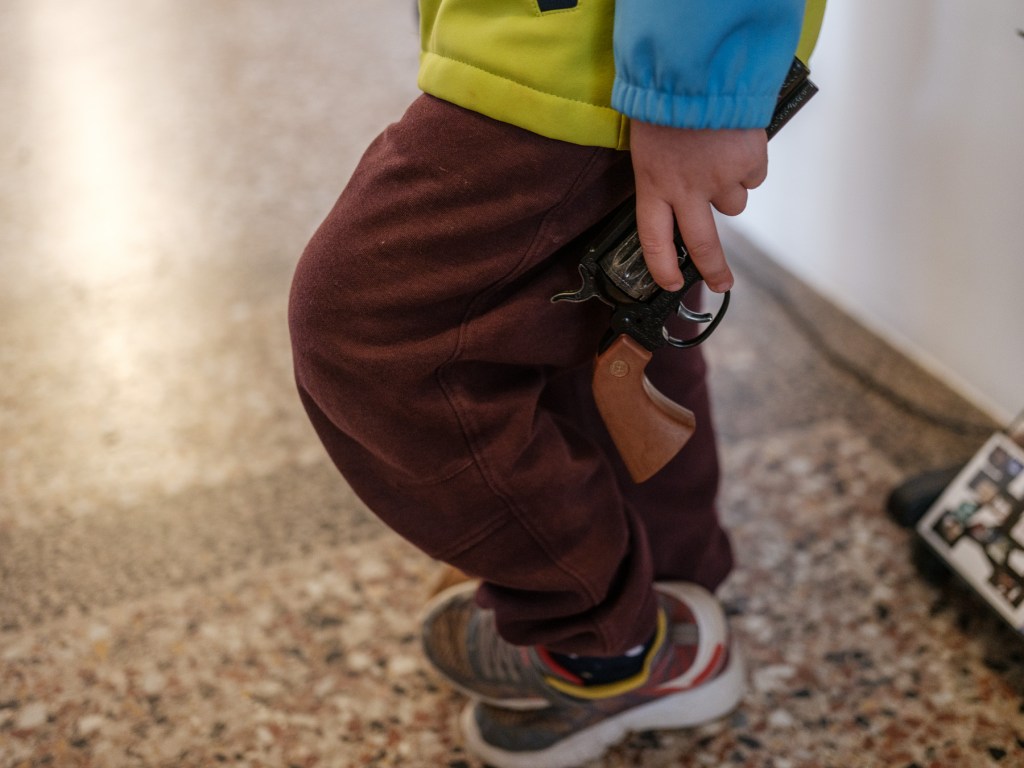
The Romanians from the Diaspora vote for three days at the second round of the presidential elections of 2025. The sections from abroad are open from Friday to Sunday, between 7:00 and 21:00, the local time, with the mention that on Sunday the vote ends at the latest at 21:00, Romania time, regardless of the time zone. The Teleleu team documents the vote of the Romanians in Vienna, where there are six polling stations: here The full list of sections in Austria.