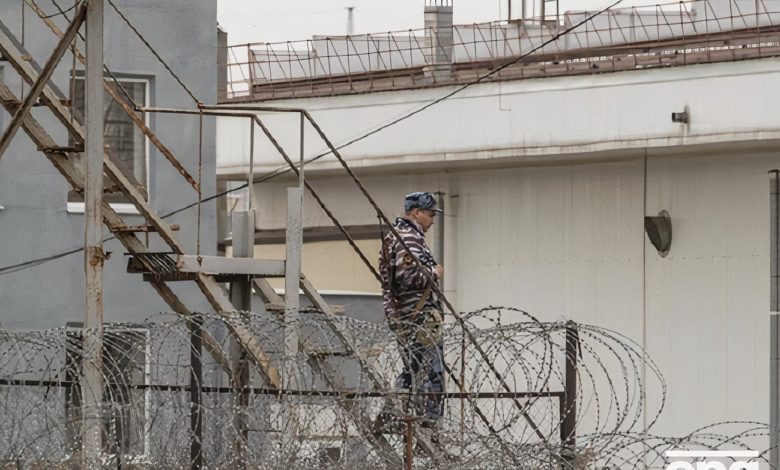
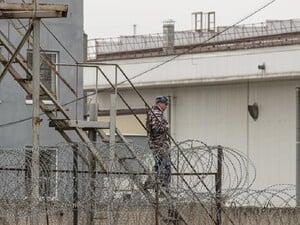
“The citizens of Ukraine, whom Russia has illegally withstanded on falsified accusations and forcibly moved from the temporarily occupied Crimea, are in places of non -freedom. There they are systematically exposed to the fundamental rights. Another violation was the ban was the ban on fulfilling Islam daily prayers,” he wrote.
The Ombudsman gave an example with a public journalist, Crimean Tatarin Ramji Bekirov.
“Bekirov create conditions under which it is impossible to fulfill their religious needs. Due to attempts to pray, the believers are sent to the penalty area. Disagreeing on such an attitude, Bekirov tried to file a complaint against the actions of the colony and appeal the room in the insulator, but it was rejected, and the attitude towards it has worsened,” Lubinets said.
He emphasized that such cases in the Russian places of lack of freedom are not single.
“Relatives of other political prisoners with complaints about people who are trying to observe religious principles are repeatedly applied to our office. Cases of obstruction in eating during the reconciliation were also recorded in the implementation of compulsory Friday prayers and compliance with other religious norms,” Lubinets noted.
According to Ombudsman, such actions of Russians are regarded as torture and they violate a number of basic freedoms in international law.
“I urge the world community to respond to violation of the rights of citizens with here, to increase pressure on Russia to terminate the violation of religious rights in places of non -freedom and the liberation of the Crimean political prisoners and all illegally held citizens of Ukraine,” Lubinets said.
Context
After the occupation of Crimea in 2014, according to human rights activists, the situation with human rights on the peninsula worsened significantly.
Under various pretexts, including the fight against extremism, the occupation authorities pursue people who are decided to openly criticize Russia's actions on the peninsula, especially the Crimean Tatars, human rights activists from Human Rights Watch said. In April 2016, the Ministry of Justice of the Russian Federation entered the Majlis of the Crimean Tatar people in the list of prohibited organizations.
In February 2025, the head of the Majlis of the Crimean Tatar people, Refat Chubarov, explained that the Russian occupation authorities of Crimea were trying to intimidate the Crimean Tatars, so they resort to arrests and fabrication against them. “This is a familiar mechanism for the invaders to control society, so that fear is constantly reigning in society,” he said.