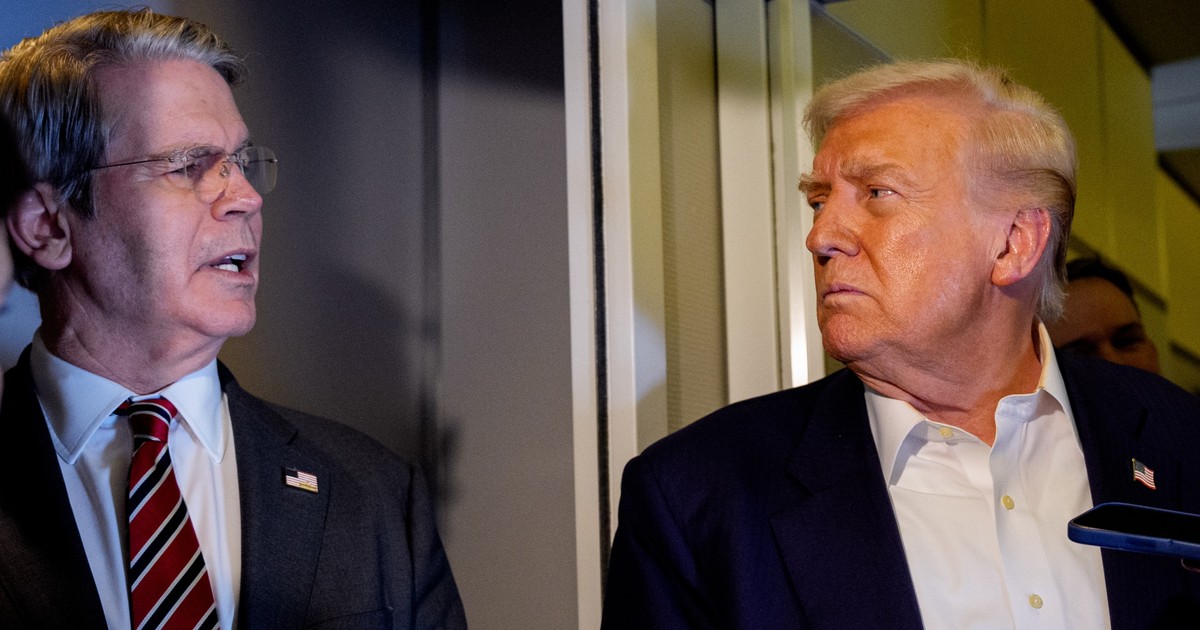
The symbol of the American lifestyle begins to lose popularity. Political tensions and controversy around the decision of the former US president are reflected in the global image of one of the most recognizable brands in the world. Does Coca-Cola pay the price for someone else's policy today?
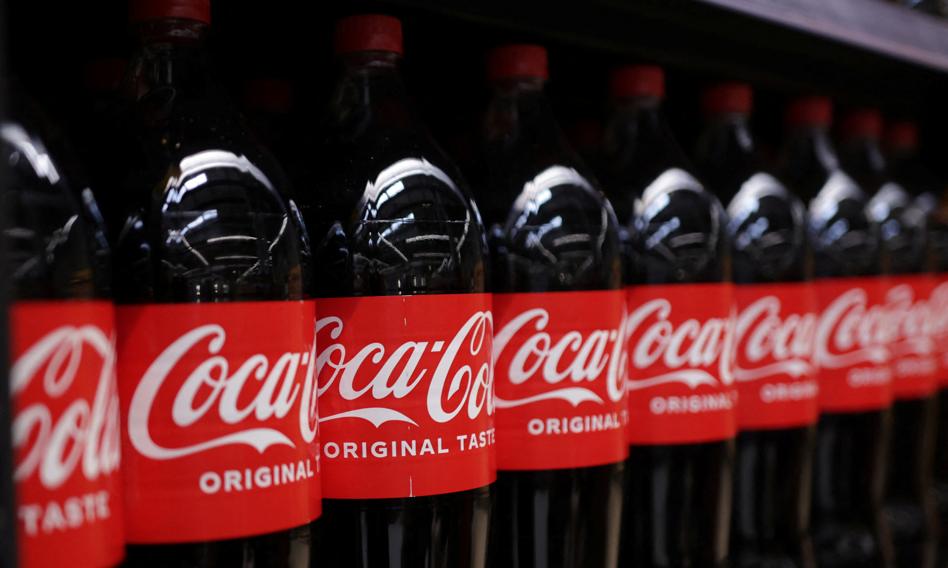
Consumers in Denmark and Mexico, as well as some in the United States themselves, drink less Coca-Cola as a result of the hard foreign policy of President Donald Trump and his harsh position towards immigration.
Danes and Mexicans furious at Trump
“Financial Times” points out that The Danes boycott Coca-Cola in connection with the indignation against Trump's threats regarding the takeover of the territory of Greenland. In addition, a slowdown in consumption in Mexico was also noticed, which is to result from geopolitical tensions: Latin customers in the US buy less drink, because the White House threatens mass deportations of immigrants.
Carlsberg, who bottles Coca-Cola in Denmark, announced on Tuesday, April 29 that the volume of the sale of the American carbonated drink was “slightly lower” in this country.
“We are observing a certain level of consumer boycott towards American brands and this is the only market on which this phenomenon occurs on such a scale,” said Jacob Aarup-Andersen, CEO.
JD Vance's words outraged Denmark
The Vice President of the USA JD Vance accused Denmark of the fact that “he is not a good ally”, despite the fact that the Danish forces fought alongside American troops in Afghanistan and other places.
In March, one of the Danish officials told the Financial Times:
“Danes are nervous. They remember the return of the bodies of Danish soldiers to the country and now feel disregarded. You can understand why calls for a boycott [amerykańskich towarów] They gained popularity. “
Aarup-Andersen stated that smaller, local brands gain market share at the expense of American rivals as a result of a boycott, but influence on overall sales is not “dramatic”.
Economic nationalism in the attack
The sale of the local brand Jolly Cola increased rapidly because the Danes rejected the American carbonated drink for the domestic product. The Rema supermarket network said that in March the sale of this brand increased 13 times compared to the previous year.
Similar consumer nationalism was overwhelmed by Canada, where consumers nervous about Trump threats on the annexation of the country and the introduction of customs penalties began to boycott some American goods.
In the states themselves, Coca-Cola was one of the brands that recorded decreases in sales among consumers of Latin origin because of fears about immigrants deportations, forced by Trump.
Coca-Cola also contributed to the decrease in Coca-Cola sales … artificial intelligence
James Quincey, general director of Coca-Cola, noticed a decrease in sales caused by virtual video films-many of them generated by artificial intelligence-which allegedly presented that Coca-Cola reported immigration authorities about undocumented employees. On April 29, he described these films as “completely false”, while admitting that they had an impact on consumers' behavior.
The sale of Coca-Cola, which is a US symbol for consumers around the world, also fell in countries with a Muslim majority after the outbreak of the war in the Gaza Strip, when consumers began to boycott American brands following the Israeli-Palestinian conflict.
Mexicans boycott the drink
“Financial Times” draws attention to The company's information that the global sales of Coca-Cola (calculated in packaging units) increased by 2% in the first quarter. However, in Mexico, sales suffered from a deteriorated consumer mood, which the company attributed to commercial tensions.
Last week, the Mexican Coca-Cola Femsa bottlingman announced that the sales volume in this country dropped by 5.4% in the past quarter, indicating “slowing down economic activity, geopolitical voltages affecting consumer moods and more difficult weather conditions.”
At the beginning of March, Trump imposed a 25 % duties on Mexico and Canada, but later released imports from them meeting the conditions of the North American trade agreement of 2020. Coca-Cola stated that the costs arising from the trade war would be “mastered”.
Quincey said that sales drops were particularly visible in North Mexico, close to the US border, where there are production plants focused on export, exposed to Trump's customs.
JS