In 2024, the repetitive profit of the EBITDA of the Polish Energy Group (PGE) amounted to a record PLN 10,878 million, at PLN 10,722 million a year earlier, and the debt decreased by about PLN 4.4 billion. According to the President of the Group, Dariusz Marc, both values are “key financial indicators that illustrate the market position of the PGE group and create a solid foundation for the implementation of large -scale transformation investments.”
Despite this, once again from 2016. PGE decided not to pay dividends to her shareholders. Are “guilt” for the high costs of maintaining coal assets? This is due to, among others From the company's answers to the questions asked by our editors.
– The reasons for presenting such a recommendation for 2024 (not paying dividends – ed.) In connection with market uncertaintyincluding payments for CO2 emissions – informs PGE.
The other side of the coin is development plans. The money left in the company is to enable its implementation; The investment program, notifies the group, “will build a long -term value, and thus the base for potential dividend payments in the future.”
Read also: The head of the largest energy company reveals plans. Suspended atom
PGE goes into gas
What do these plans look like? Details will be discussed in June, when PGE presents a full strategy for the next years, while announcing the results for 2024, the company's representatives pointed out that one of the development priorities is and will be gas energy.
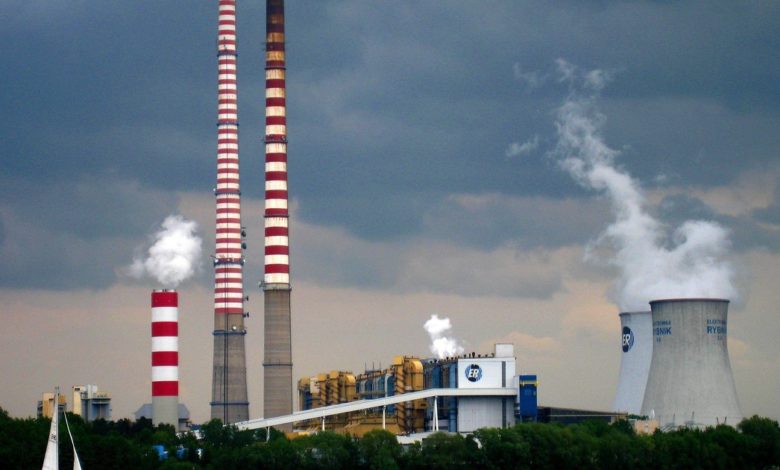
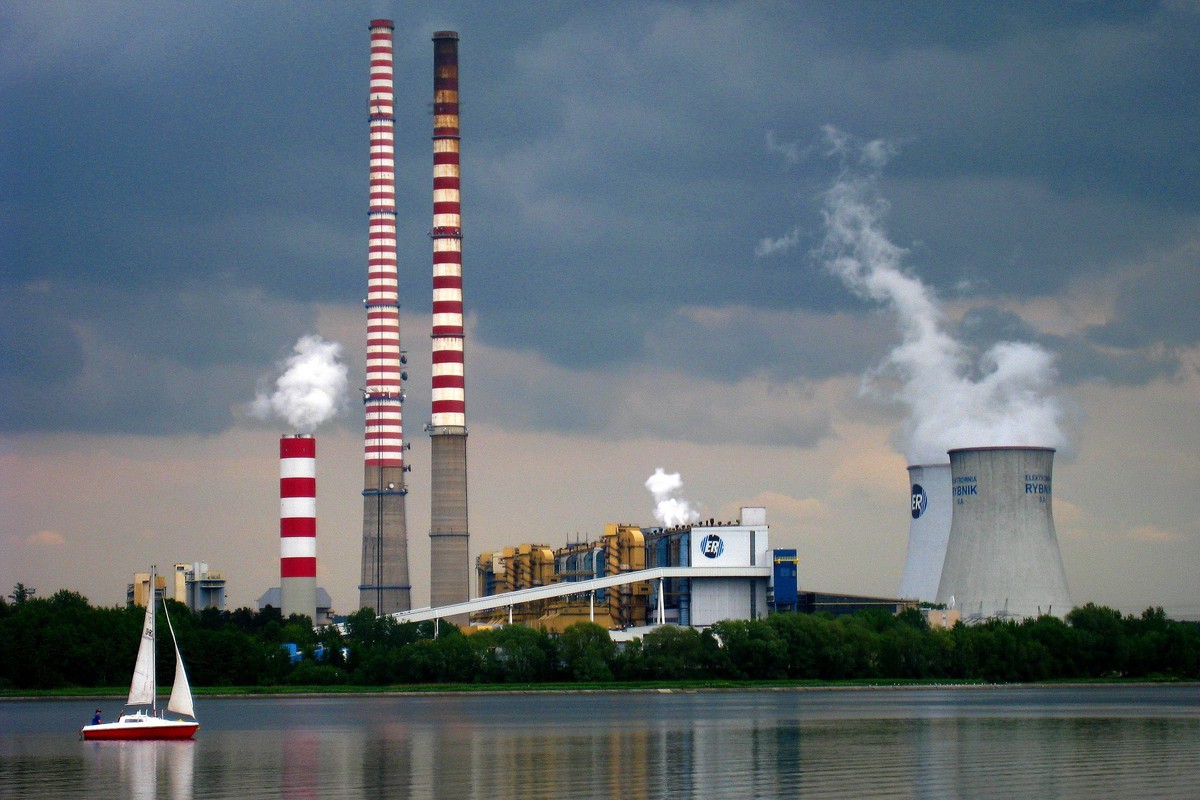
The PGE Gryfino Dolna Odra gas power plant with an installed power of 1340 MW (investment outlays exceeded PLN 4 billion) will be attached to the PGE Gryfino Gas Power Plant in 2024) a gas and steam block with a capacity of over 800 GW at the PGE Nowy Rybnik power plant. Until 2030, together with the acquisition of other projects, the power in PGE gas sources is expected to be 5.25 GW.
As Dariusz Marzec said, gas power plants well complement the work of weather sources (wind and sunny) and contribute to the stabilization of the power system. At the same time transitional fuel For the period of transformation, as it is called natural gas, it suggests its temporary character, and in the public debate the problem of the risk of dependence on price fluctuations, imports or climate and environmental effects, related to e.g. methane emissions.
Limiting the role of gas in the electricity, including through the development of renewable biogas and biomethane, in 2023 recommended the Energy Forum. In turn, the project of the national plan in the field of energy and climate adopted in the autumn of 2024 assumes that after Summit in demand in 2025-2030which will amount to approx. 23 billion m3, by 2040 it will drop to approx. 13 billion m3.
In the context of these estimates, we asked PGE about a temporary horizon for implemented and planned gas investments. The company replies that from a technical point of view the standard use time of gas turbines reaches from 25 to 30 yearstheir economic justification, however, consists of revenues from the sale of electricity or areas such as the power market.
– In terms of the volume of electricity production in gas technology, we do not notice significant decreases in volumes by 2040. The PGE Group in its forecasts is based on many analyzes (both publicly available and KPEiK and reports ordered on the market, etc.), which are one of the input data for creating scenarios of the PGE group market – the company replies.
Is PGE interested in acquisitions?
Not only in gas, but also in other market segments PGE development in the coming years will be based, among others on acquisitions – purchasing existing assets.
– PGE is potentially interested in acquisitions in the areas of energy storage, network assets, land farms or gas power plants with a power contract, which does not mean that we exclude the possibility of investing in other areas of the value chain – explains the office press giant press office.
Let's recall some numbers; In the years 2023-2024 PGE investment outlays in the Renewable Energy segment increased by 50 percent, which resulted from the finalization of photovoltaic projects and expenditure on the Baltica 2 wind farm implemented together with the Danish company.
PGE points out that all acquisitions must have market justification. – Such acquisitions are possible only if you reach an appropriate IRR level (Internal Rate of Return – internal rate of return) – the company proclaims.
How much does offshore cost?
As for Baltica 2, the company notes that the project met the criteria of financial institutions that provided it with support and this despite the increasingly higher costs of building windmills at sea. These investments, compared to other renewable energy sources, have never been the cheapest, while their submission was influenced by, among others PODDEMIC DIRECTION DIRECTIONS or security considerations – the need for better protection of farm against possible attacks or other sabotage acts.
From the report published by Ørsted “Morska Wind Energy at the crossroads” we learn that the so -called The average cost of energy production It increased in 2020-2024 from 64 to 95 euros for a megawatt hour (The basis for calculations was the average prices from German, Danish, Dutch and British markets).
On Polish grounds, the increase in costs translated into raising and diversity of maximum prices for sea farms as part of the support system; Last year's proposal of the Ministry of Climate and the Environment PLN 471.83 per MWh was rated by the industry as too low. As a result, in January this year, in the next regulation, the ministry raised rates to amounts 485.71 PLN/MWh, PLN 499.33/MWh and 512.32 PLN/MWhaddicts, among others from the distance of the farm from the shore. Prices will apply from the first auction this year.
Read also: How much will we pay for the Baltic current? President of the largest energy company translators
We asked PGE if the costs of investing in maritime wind energy cannot turn out to be too high. The company replies that subsequent projects after Baltica 2 will be considered “in terms of the expected rate of return”, but it maintains optimism.
-It should be noted that the current raw materials (copper, steel, energy carriers) are significantly lower than 2-3 years ago. Similarly, the level of producer inflation has been significantly reduced, which should be translated into lower prices offered by providers of the main components and services necessary for the construction of wind farms – he states.
Who will pay for the network?
PGE also plans large investments in the distribution segment, to which about PLN 5 billion a year is to be allocated; The networks are to be more intelligent, with greater transmission capacity and higher resistance to weather conditions. As Dariusz Marzec said, “a huge challenge for the stability of action” is to connect prosumer installations, which arrives about 50,000 each year.
Will the costs of expanding the infrastructure not be transferred in the accounts to the final recipients, thus caught potential benefits from the decrease in energy prices due to the development of renewable energy? The PGE press office asked about this issue is that he lies in the responsibility of the tariff of the President of the Energy Regulatory Office for maintaining fees at customers acceptable to customers.
Read also: Will the new windmills reduce bills? “Not necessarily”
– PGE Dystrybucja and PGE Energetyka Kolejowa strive to maximize the use of available sources of preferential financing in the form of subsidies and loans – he also informs, indicating the source of funds alternative to the recipients.