Young people fall in love with old technologies. Gen Z is resurrecting CDs, digital cameras and flip phones


The impulse to rebel and the need to control your own time? It looks like it. Young adults admit that they limit smartphones to regain attention and peace. In American schools, growing “bell-to-bell phone bans” have acted as a catalyst. In addition to chess and crossword puzzles, students take out iPods, Walkmans, flip phones and simple cameras. Teachers report fewer conflicts and better concentrationand the students themselves having more real face-to-face conversations. This is a sign that the nostalgic flirtation with “analog” habits is fueled by something more than just Y2K aesthetics, which is emphasized by, among others, Wall Street Journal.
This need also takes an organized form. New campus clubs urge people to take breaks from smartphones promoting meetings and activities without social media. The fall creation of a chapter at Columbia University shows that the movement is not a passing TikTok trend, but a real practice of student life.
Check also: Too many games, too little attention. Electronic Arts leaving the trading floor is a good decision
Digital photography without… a phone
One of the clearest symbols of this change is the return of compact digital cameras. They dominate weekend photo sessions in the city, at house parties and concerts – not because they take technically better photos than smartphones, but because they cut out distractions. The act of taking photos becomes slower and more intentionaland viewing photos from the SD card after the event turns into a small ritual.
The industry and general media describe this renaissance as a combination of sentiment and the desire for a “more real”, authentic, less filtered aesthetic.
Importantly, manufacturers are responding to the trend. Canon decided to refresh the popular compact from a decade ago, PowerShot Elph 360, and put it on sale again – with almost identical parameters as in 2016, but at a higher price and with fewer functions. If a company revives an older model, it means that the demand from younger users is noticeable and profitable. It's worth keeping this in mind.
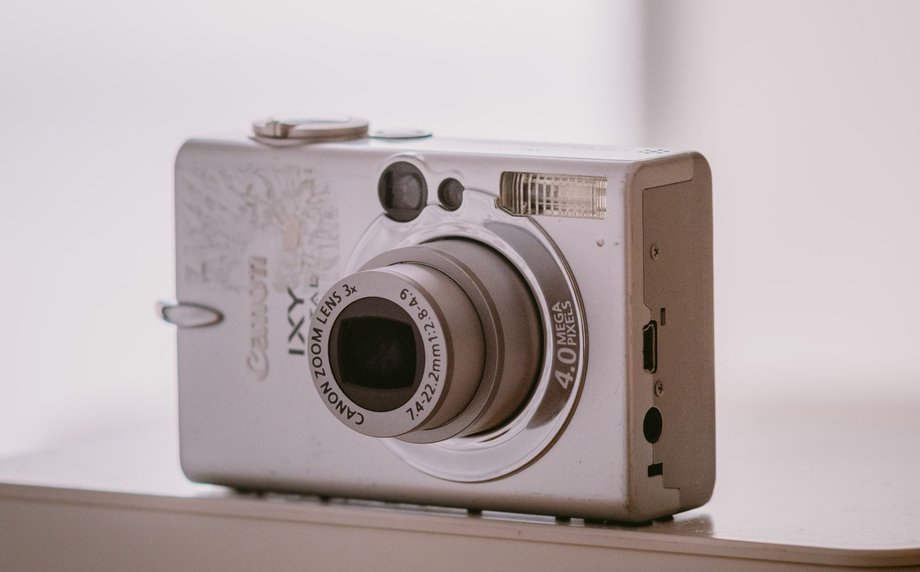
Older digital cameras are gaining popularity among Gen Z
|
Stephane BDC / Shutterstock
In music, the renaissance of physical media began with vinyl, but today there is also a shift towards CDs. Younger artists prepare their premieres simultaneously in streaming and on discs, and in online stores the bestseller lists can be occupied by idols of Generation Z, who suggest to their fans the experience of listening “from beginning to end”. It's about the ritual: the packaging, the insert, the order of the songs, and above all, the feeling that you really own the album — instead of renting access depending on the license and whim of the streaming platform.
In the reports of young collectors, there is a recurring theme of fatigue with the opacity of streaming and concern about how the services reward creators.
See also: Scientists made yogurt from… ants. A restaurant in Copenhagen served it to guests
There is confirmation in the data
Data from the industry confirm a picture that is more complex than a pure boom in retro equipment. The 2024 RIAA report shows that physical formats as a whole grew by 5%. year to yearmainly thanks to vinyl, which already accounts for nearly three-quarters of revenues from physical sales. So the CD did not become the new king, but ceased to be just a curiosity for collectors – it returned to the mainstream of discussions and purchases by younger fans.
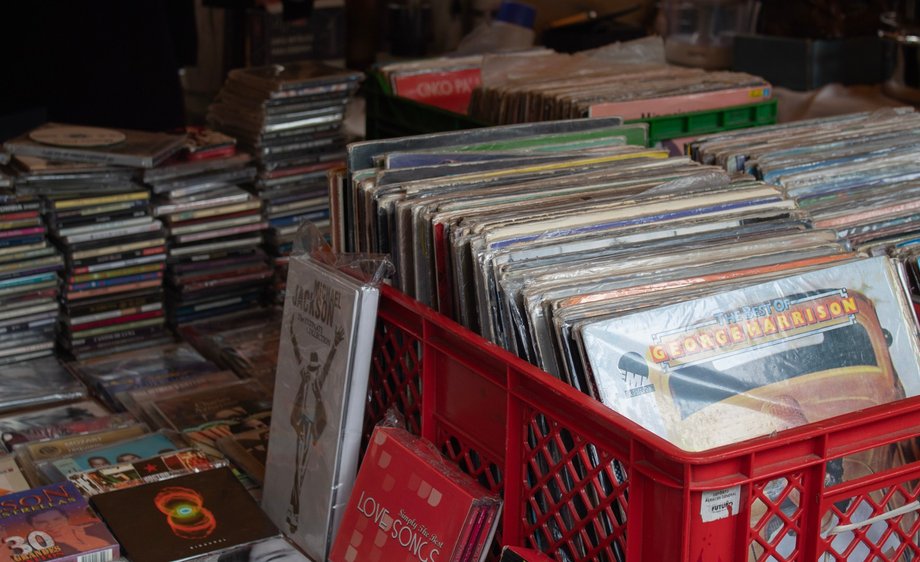
Instead of streaming, a CD or vinyl record. Young people often want to “own” music
|
Juan Alejandro Bernal / Shutterstock
However, the year 2025 cools down the hurray-optimism. In the first half of the year, industry revenues in the US almost came to a standstill, and CD sales dropped by over 20%. year to year. This shows the paradox of the post-streaming era: a cultural trend may be loud and influential, but on a mass scale, the convenience of subscriptions still wins.
From a business point of view, CD remains a niche, but with a growing symbolic impact. Especially among younger, more engaged audiences.
There is also a flip phone. This one isn't just a Y2K style photo prop. For some young people, it is a digital hygiene tool. They call it “dumbphone” (from: stupid phone), which makes scrolling difficult and does not tempt with notificationsand its battery lasts longer. Summer campaigns in social media, such as “Flip Phone Summer”, may have a viral element, but they meet real needs. Specifically: less comparative anxiety, less automatisms, more conversations and contacts without the use of applications. University clubs “without a smartphone” or online challenges are just different versions of the same story about regaining agency.
Read also: Turing Award winner: Humanity may not survive the coming decade
Trend economics. From flea markets to reissues
The renaissance of old devices creates an economic circulation that bypasses large platforms. Records, players and cameras are coming back into circulation through flea markets, advertising websites, local shops and small brands. This strengthens the sense of community – hunting for a good record or a camera worth a few hundred zlotys can be as important as listening or taking photos.
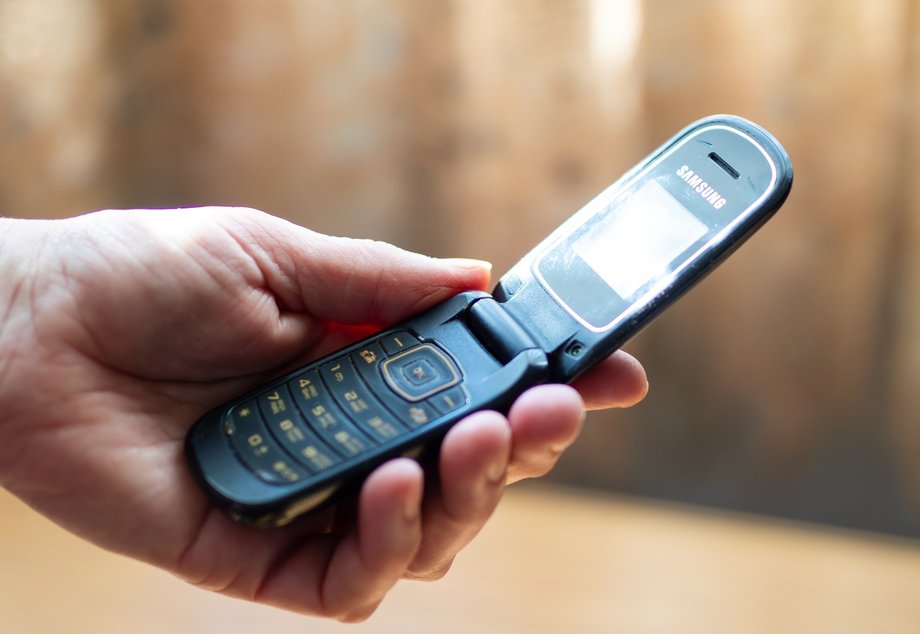
Does anyone else remember flip phones?
|
Vera Aksionava / Shutterstock
However, when demand grows faster than supply, prices soar, as in the case of the above-mentioned re-edition of the compact Canon for $379, which a few years ago cost almost half as much. This not only the nostalgia economy, but also a signal that brands are testing where the limits of young people's willingness to pay for “analog” experiences lie.
If you look at the revenue charts, streaming isn't going anywhere. But culturally, there is a clear counteraction to the glut of digitality. The renaissance of older cameras, CDs and flip phones does not promise a massive change in the habits of entire societies. Rather, it shapes a new normality in which, in addition to subscription services and smartphones, young people choose temporary “diets”, rituals and artifacts that allow them to slow down a bit.
Author: Grzegorz Kubera, journalist of Business Insider Polska