What Masche Russia's proposal for the short three -day armistice: Kiev accuses a strategy of Putin

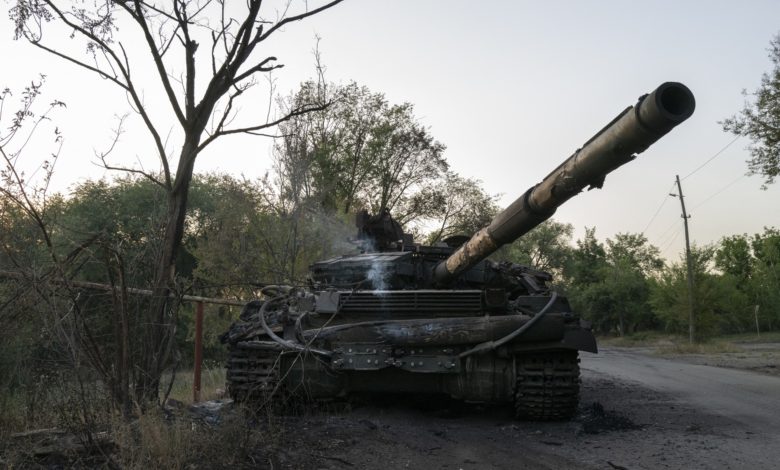
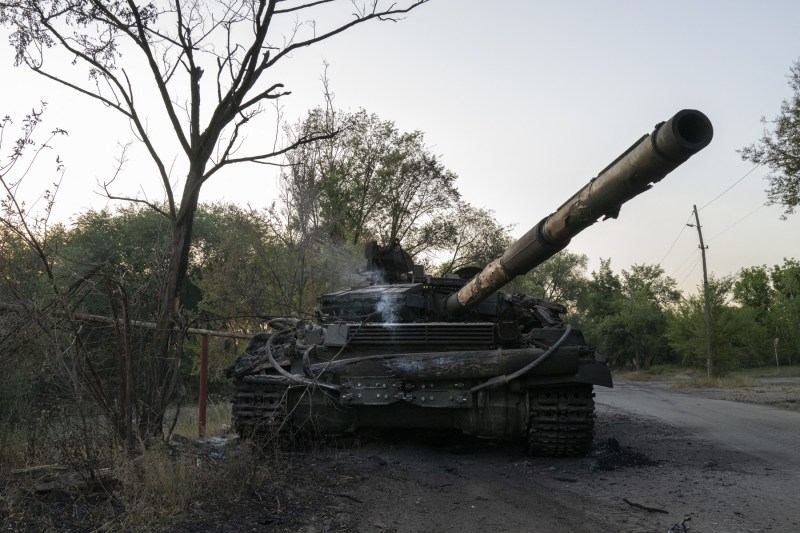
Tank at the outskirts of Torețk, Donetk region, Ukraine, July 3, 2024. Photo: Marek M. Berezowski / AFP / Profimedia
Russia proposed a three -day break against hostilities against Ukraine on Monday, in May, to coincide with the anniversary of Victoria Day. The Kremlin's proposal comes in the context in which Ukraine demands an unconditional armistice for 30 days, and the United States requires a permanent cessation of fire. Andrii Yermak, the head of the Presidential Administration in Kiev and the main counselor of President Volodimir Zelenski, warns in an article published in The Guardian that this offer actually masks a strategy by which Moscow tries to achieve political and military advantages.
“We must be cautious not to make premature concessions, under the pretext of rapid progress. The short break would not bring a significant change in the war, and its acceptance would legitimize a regime that has constantly demonstrated that it wants to extend the aggression and to undermine any real chance,”
Zelenski's counselor points out that “the current sanctions limit the access of Russian airlines to Western markets and block the import of spare parts, maintenance services and equipment – including double -use goods, which can be used for military purposes.”
According to him, Moscow's requests may seem “simple and easy to fulfill”, but “seemingly humanitarian and economic nature of these requests hides the strategic advantages” that a possible relaxation of the sanctions would give President Vladimir Putin.
“These sanctions are a testimony to how the military capabilities of the Kremlin are significantly and efficiently constrained. They represent both a powerful symbol and a practical obstacle to Russia,” says Yermak.
The presidential counselor points out that, in Russia's war economy, the border between the public and the private sector is unclear, especially in aviation. He states that Russian airlines are not mere collateral victims of the sanction regime, but “active participants” in the illegal invasion of Ukraine.
In this regard, Yermak accuses air companies and airports in Russia of directly supporting the Kremlin military logistics. The company Volga-DNEPR offers transport services for military purposes, and I Fly-a charter operator-transports soldiers to the front line. Vnukovo Airport in Moscow, sanctioned by the European Union, is used in support of the war, and Pskov airport operates both commercial flights and military transport.
Yermak also shows that Russia's insistence of getting the aviation sanctions raise how effective this measure is. “The fact that Russian officials have made the sanctions in aviation a diplomatic priority prove their efficiency. Russia is becoming more desperate to save their aviation sector. Any relaxation should be conditioned by real commitments from Moscow on a peaceful and prosperous relationship with Ukraine-not obtained by negotiation.”
“As long as Russia continues the illegal aggression, the sky must remain closed for Russian carriers. Any measure weakening this position will strengthen the ability of Moscow to achieve forbidden technology, to support its military logistics and to calm the internal public opinion,” concludes Yermak.
Follow the latest evolutions of the War in Ukraine LiveText on HotNews.ro
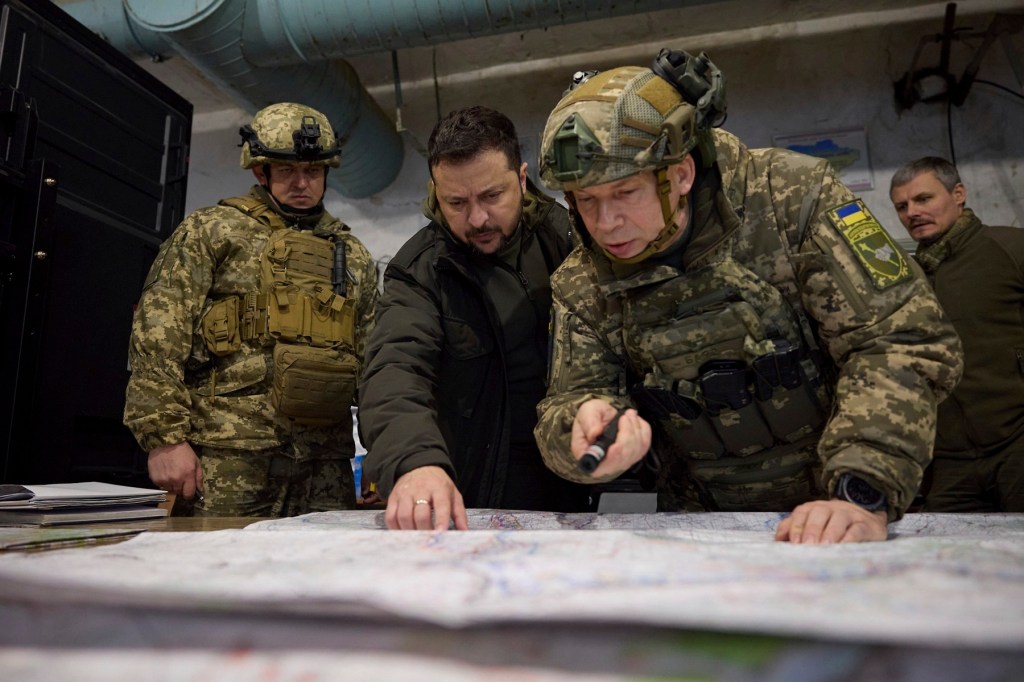 Under the pretext of military exercises, Russia “prepares something” in Belarus, warns Zenski / which suspects General Sîrskii
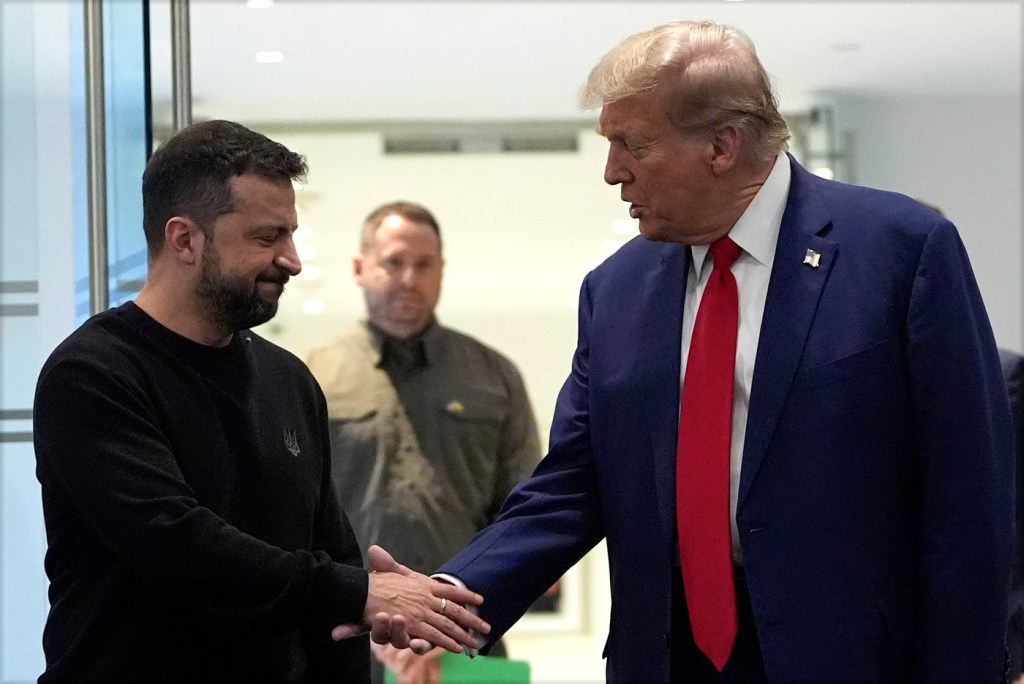 Ukraine is to sign the US agreement in the following hours on rare minerals