“Things don't look good at all.” The worst scenario for Europe after Trump's final “final offer” that presses Ukraine to accept the Russian occupation

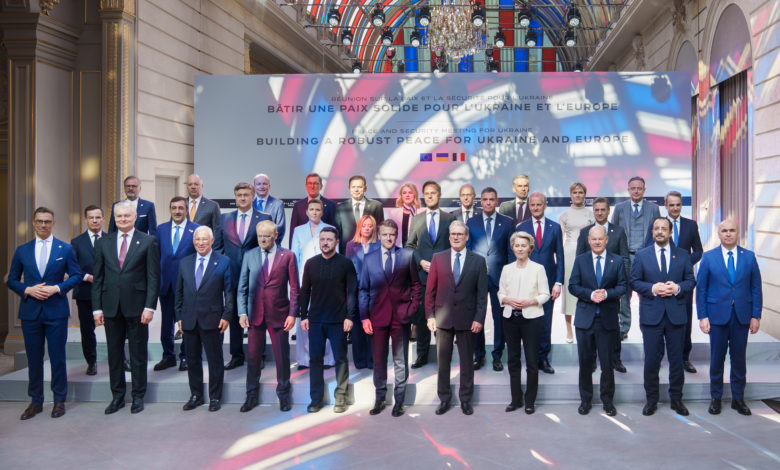
The agreement proposed by the US and the possibility that the Trump administration will abandon peace negotiations, blame Kiev and normalize relationships with Moscow would put Europe in front of a complicated choice, affect the EU unit and could lead to a break between NATO states, say officials and analysts quoted by Financial Times.
Donald Trump's insistence for Ukraine to officially recognize Moscow's control over Crimea in a peace agreement with Russia has put the European capitals in front of a difficult choice: to stay with Kiev or to support the Washington plan.
Some European officials are afraid that divergences about the peace plan will affect bilateral relations with the US, undermine transatlantic security and will overcome a NATO summit from the end of June.
“The worst scenario would be (US) to not be able to obtain an agreement between Ukraine and Russia, and the fault to be placed on the account of Ukraine. Then, Europe will have to choose (between Ukraine and the US),” a high -ranking EU diplomat, quoted by the Financial Times.
Kiev would have prepared to accept Russia's “de facto” control over some Ukrainian territories, in exchange for security guarantees
The Trump administration presented Kiev last week to sketch an agreement with extremely favorable conditions to Moscow – including the US recognition of Russia's sovereignty over Crimea, 11 years after it annexed the Ukrainian peninsula, violating international law.
The details of the proposed plan became clearer this week – as well as the reluctance of Kiev and European allies to support this agreement.
On Tuesday, President Volodimir Zelenski again refused to recognize the sovereignty of Russia over the territory that she had seized since 2014.
 Trump's “final offer”, revealed: Ukraine, pressed to accept the Russian occupation / list of concessions granted to Moscow / What does Kiev receive
However, Kiev has suggested is prepared to accept Russia's de facto control in exchange for Western security guarantees.
In reply, Trump attacked Zelenski's position, saying it is “very harmful” for his peace efforts.
“He can have peace or, he can fight for another three years before losing the whole country,” the US president wrote on his Social Truth platform.
“Ukraine is prepared to negotiate – but not to surrender”
The offer of Washington to recognize Moscow's control over Crimea, violating the agreed policy of NATO, is probably the largest concession that Trump has made Moscow in recent months of reaching an agreement.
The Trump administration also excluded Ukraine's accession to NATO – an old desire for Russia, which harshly criticized NATO to allow Kiev to enter the Alliance at one point.
While Moscow benefits from incentives, Kiev was under pressure and threats. The plan suggests that Ukraine will not receive too many concessions in exchange for the transfer of the territory .-
Ukrainian officials declared before London Wednesdays that other terms of the agreement outlined by Washington are prepared.
“Ukraine is ready to negotiate-but not to surrender,” said Deputy Prime Minister Iulia Sviridenko on X. “There will be no agreement to offer Russia the stronger bases she needs to regroup and return with more violence,” she said.
EU states are not going to recognize Russia's control over Crimea
Western officials have told the Financial Times that the European capitals will not approve any US approach to recognize Crimea as part of Russia or to press on Kiev to agree with this and maintain their position that they will not accept decisions about the sovereignty of Ukraine that Zelenski rejects.
Public, EU officials said the same thing. “Crimea is Ukraine,” the head of the EU foreign policy, Kaja Kallas, told the French press agency AFP.
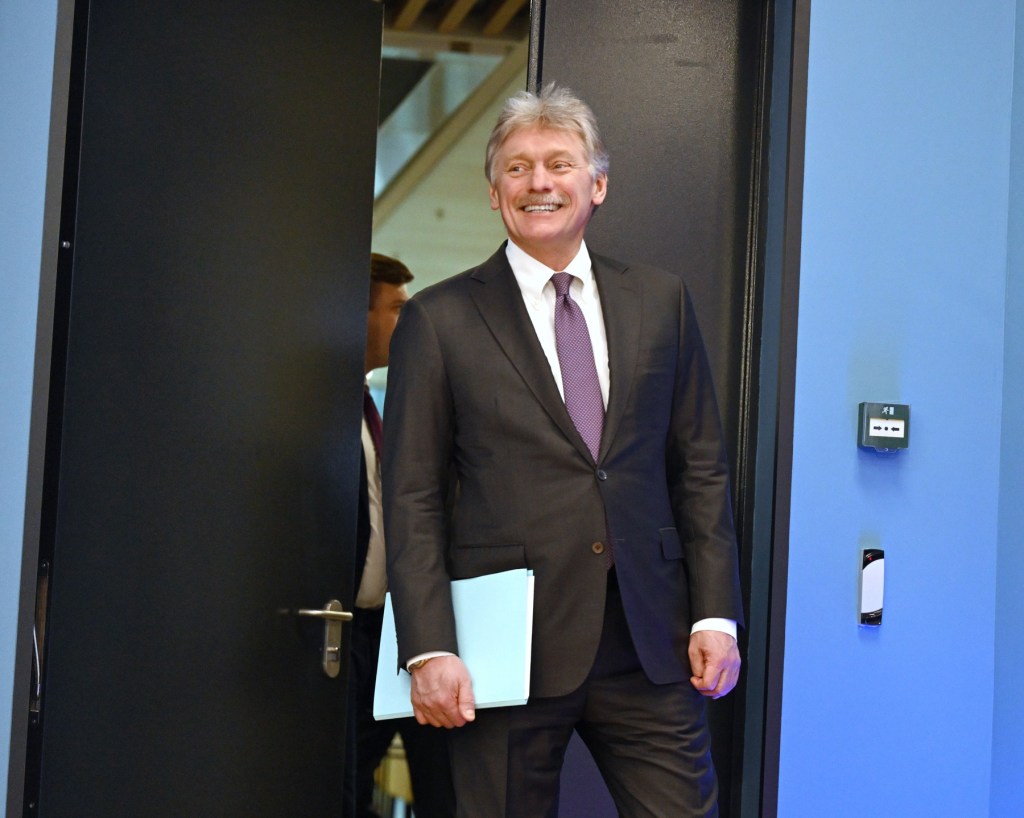 Dmitri Peskov insists on the conditions placed by Moscow: “If Ukraine deposits the weapons and withdraws from these regions, the military operations will cease”
The problem is that Europeans have always been “in a weak position to keep the US with,” said Jeremy Shapiro, director of the US program at the European External Relations Council, a European thinkank. “They tried to avoid this for this reason,” he added.
The hopes of Europeans to be included in the US -led peace discussions were shattered on Wednesday, when US Secretary Marco Rubio withdrew from a meeting in London with Ukrainian and European officials, and Trump's special envoy, Steve Witkoff, opted to go to Kremlin – for the fourth time.
“Red lines”
For Europeans, the idea of recognizing the annexation of Crimea – the first territorial annexation by military force in Europe in 1945 – is unacceptable, because it would upset the order based on rules that supported peace on the continent for generations.
“Crimea and future aspirations of accession to NATO (of Ukraine) are red lines for us,” a second high -ranking EU diplomat told the Financial Times. “We can't give up on them,” he said.
Even though the US would act unilaterally, the analysts believe, that would reward Russian aggression and encourage Moscow to continue their claims in Georgia and the Republic of Moldova and threaten other former Soviet countries, such as Baltic States, which are NATO and EU members.
The Trump administration has already been informed that it would be impossible for European capitals to recognize Crimea as Russian, according to a high European official. NATO's largest European powers must “discourage” Washington to do this unilaterally, the official said.
A crisis in NATO
The status of Crimea could create a major diplomatic crisis in NATO – whose declared position is to never recognize Russia's control over the peninsula.
Prior to the US offer, NATO officials were trying to minimize internal dissensions on Ukraine, insisting that the annual summit of the Hague alliance leaders will focus on defense expenses, not on war, according to officials involved.
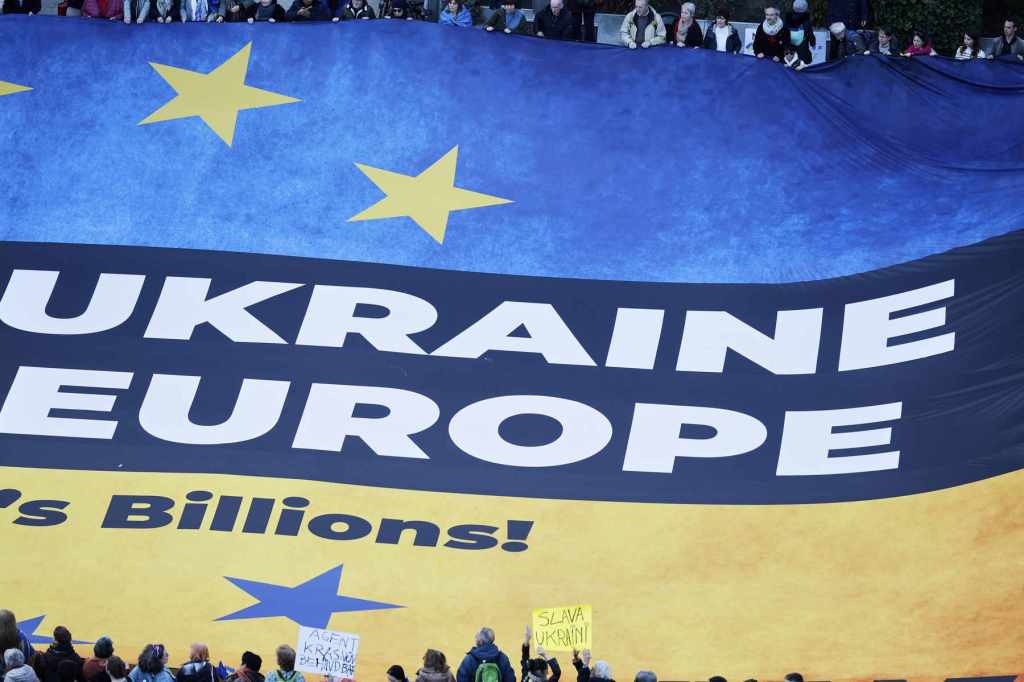 The EU, categorical after JD Vance confirmed that the US -proposed peace agreement for Ukraine provides territorial concessions
But the proposed agreement and the possibility for the US to abandon the discussions, blame Kiev and normalize relationships with Moscow could lead to a break between NATO leaders.
“The central problem of the summit is our position towards Ukraine,” said a high Western official.
“If the Americans leave, it will not be possible for the European Union to be united about Ukraine.”
It is possible that similar divergences will deepen within the EU, especially in terms of economic sanctions imposed by Russia by the community bloc, if Washington decides to raise its restrictions.
“Things don't look good at all,” an EU official said. Any US movement to recognize Crimea as part of Russia or to ask European capitals to reduce sanctions against Moscow would “destroy EU, (everything) looks confused,” he said.
The 23 European capitals who are both EU and NATO members are trying to find compromises with the Trump administration on future US commitments and a commercial agreement, to avoid a full-time war, which could seriously affect their savings, and fear that Washington could use this problem.
Shapiro, from ECFR, was skeptical about the EU's ability to remain united.
“If the Americans are leaving, it will not be possible for the European Union to be united about Ukraine. The Americans have been a source of unity on Ukraine,” he said.