The most exotic corner of forest in Romania. Simeria arboretum wakes up to life in magnoli perfume

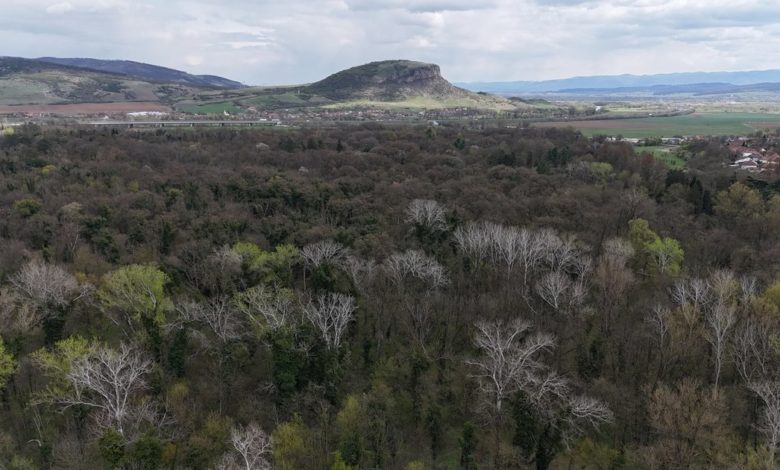
The oldest dendrological park in Romania wakes up. It is located in the Mureș meadow, on the outskirts of Simeria, is famous by its many exotic species and is sought in the spring for its many flowering magnolias.
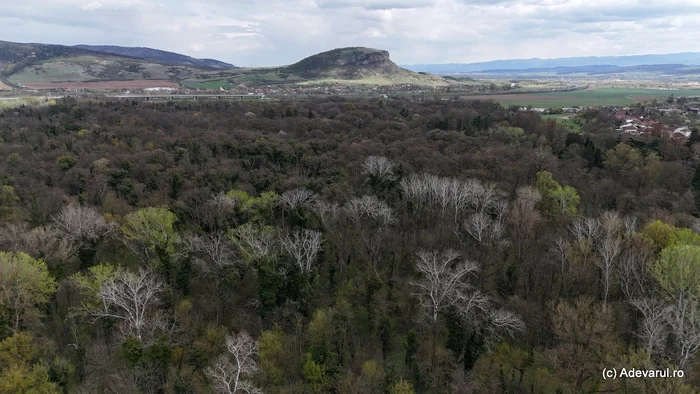
The dendrological park in Simeria. Photo: Daniel Guță
The city of Simeria (Hunedoara County) is known to many Romanians as one of the oldest railway nodes in Romania. The first railways that crossed the old “Piski”, on the Mureș Valley, were built over a century and a half. Arad – Simeria – Alba Iulia railway bus, the oldest railway in Transylvania was connected to Simeria with the railway of the Coal Simeria – Petrosani, built in 1870.
For many Hungarians, Simeria has a special symbolism, being the place of one of the most fierce battles during the Transylvania Revolution 1848 – 1849. The fight took place on February 8 and 9, in the area of the old bridge over the Strei River, and opposed the revolutionary troops, led by the Hungician, led by General Polish. commanded by General Anton Freiherr von Puchner. He would have resulted, according to historians, with over 1,500 victims, from both camps.
The oldest dendrological park in Romania
Over a century before the two important events of the 19th century, the oldest dendrological park in Romania was established in Simeria. It dates from the beginning of the eighteenth century, when the nobles who mastered the Fay Mansion, the historical monument at the entrance to the park, decided to land the natural locks in the Mureș meadow. Currently, the Arboretum in Siemeria is one of the most popular places in Hunedoara.
Forestry engineer Daniel Pitar, head of section at the National Institute for Research and Development in Forestry (ICAS) – Simeria, says that during this period the dendrological park blooms, and many tourists come here to relax and discover beauty. The most photogenic plants are its famous magnolias, which give color to the landscape dominated by the raw green of spring. The furniture in the park was largely restored, and the bridges over its waters were also refurbished. Some old stone monuments kept near its snapped alleys remember the past times when numerous parks on the Mureș Valley were adorned in the style of the English gardens.
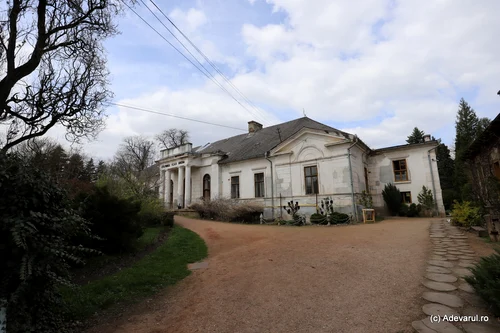
Image 1/10:
Park Dendrological Simeria Photo Daniel Guță Adevărul (68) JPG
“We often come to Simeria, to find the park. We especially like the spring, when we feel the fresh air of this place, we hear the rustling of nature, the trills of the birds and the whisper of the small animals, which populate the forest.says a tourist coming here from Deva.
Simeria Park, Nature Monument
The dendrological park has been taken care of for over two and a half centuries. At the beginning it was a vast exotic garden around the noble mansion, which belonged to several families – Gyulay, Kun, Fay and Ocskay – each contributing to the enrichment of the park with rare species of trees and plants brought from other continents.
“Of the old groups introduced, the juniper of Virginia, Tuia, Californi cypress, pine, spruce, beech, acacia, big and black nut. It is shown in the management plan of the Simeria Arboretum Reserve.
The park houses over 2,100 species of plants and trees, with a large part of them originating from Asia and North America. His exoticism and diversity gave him a unique character and included it among the monuments of nature in Romania.
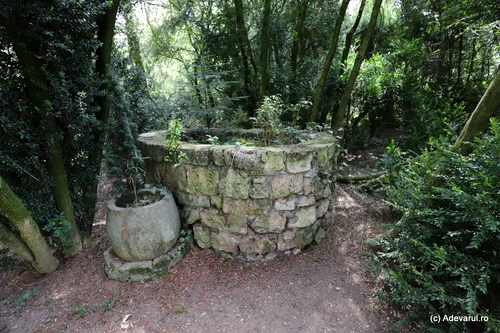
Image 1/10:
Park Dendrological Simeria Photo Daniel Guță Adevărul (29) JPG
In the middle of the 19th century, when the domain was owned by Count Kun, it suffered great damage during the revolution of 1848-1849, the wood being used to manufacture weapons. Between 1870–1880 the repairs and refurbishment of the park began. Then a variety of species were introduced, and its maintenance followed clear plans and seed exchanges with botanical gardens abroad.
One of the most important owners of the park was Fáy Bela, a naturalist, a member of the Hungarian Academy of Sciences. He enriched the collection with exotic species and wrote scientific works on their acclimatization.
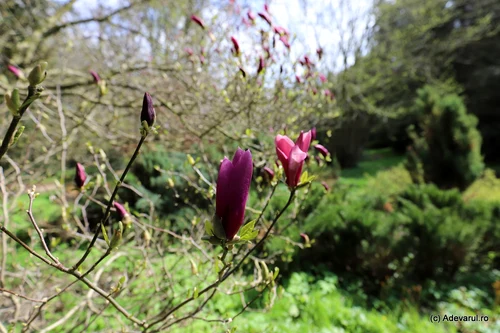
Image 1/10:
Park Dendrological Simeria Photo Daniel Guță Adevărul (34) JPG
After the nationalization of 1949, the park and the mansion entered the administration of the Simeria Forest District, becoming an experimental unit in 1952. Two years later, the Simeria Forest Forest Research and Experiences was set up, which saved the area from degradation and deforestation.
“The wonderful Park from Simeria has been fulfilling for many decades, evolving during the role of a first -rank, the Maestuo, Elderly Trees, are of an uninterrupted aesthetic effect.”note the botanist Alexandru Borza (1887-1971).
After 1990, the descendants of the Fay and Ocksay Hungarian gropies opened processes for the recovery of the mansion and land, confiscated by the communist regime. The courts decided that the legal owner remains the Romanian state.