Trump's peace plan is “flexible”, but it pushes Zelenski to the most painful decision of his term. How will it come out after the Geneva negotiations?

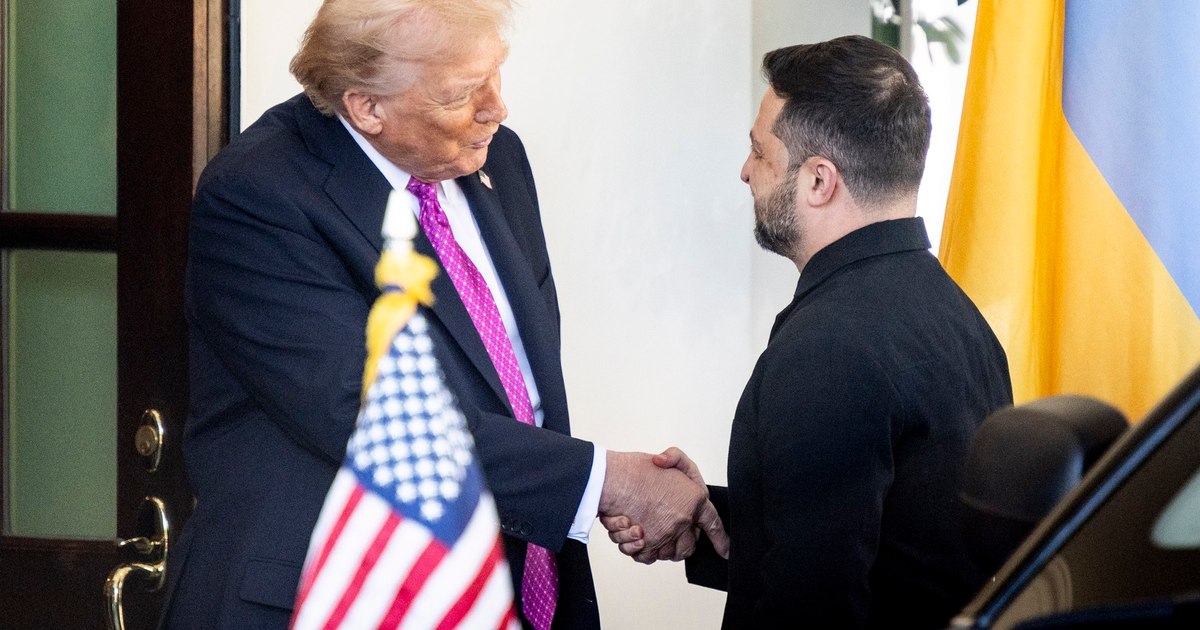
The White House's push for a Ukraine peace deal is gaining momentum. A US delegation is in Geneva for talks with Kiev on the Trump administration's 28-point plan — a blueprint described by US officials as “flexible” but which could push Ukraine into major territorial concessions. The analysis belongs to Washington Post columnist David Ignatius, who notes that Washington is trying to convince allies that this is not a pro-Russian trap.
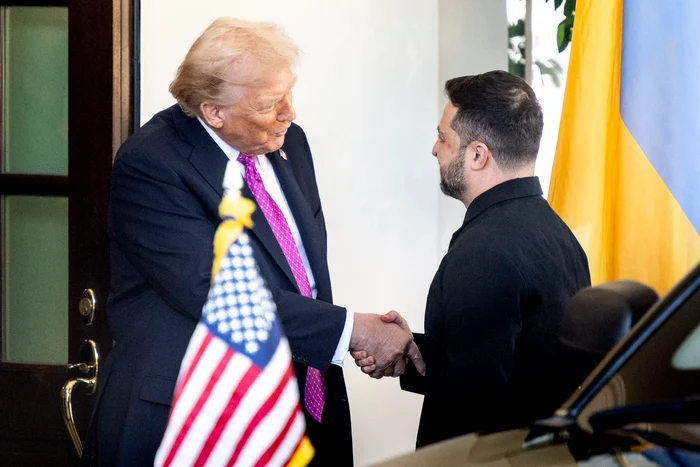
Donald Trump and Volodimr Zelensky/PHOTO: Profimedia
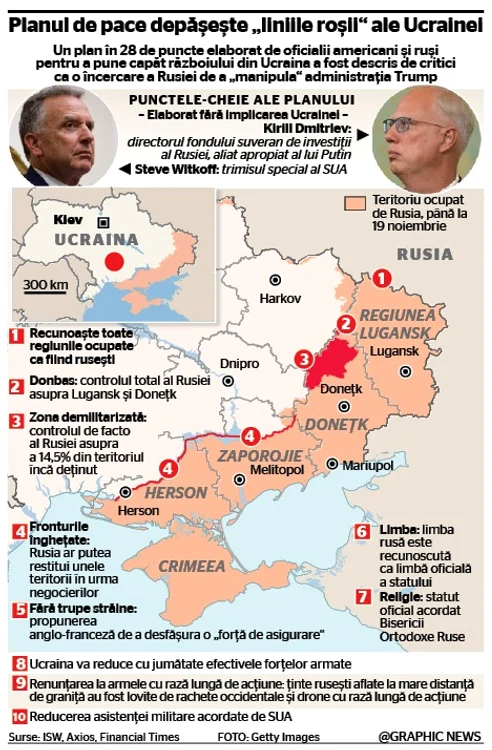
The Trump administration admits that the “security safeguards” in the current draft are insufficient. Some elements — including the 600,000-troop limit for the Ukrainian military — could be revised or eliminated. And for post-conflict deterrence, the US is considering supplying Tomahawk missiles, if there is an agreement.
A senior US official sums up the plan's philosophy: “Ukraine's sovereignty cannot be violated. It would open the door to a European disaster.” Washington fears a “second Yugoslavia” — a scenario of fragmentation and protracted conflict.
But critics see something else: a document that risks rewarding Moscow's aggression and undermining Ukrainian sovereignty.
Despite the red lines that Zelenskiy has repeatedly stated, a US official insists that the plan is completely negotiable. In the public space, however, Donald Trump's messages sounded different: a Thanksgiving deadline, accelerated pressure, ambiguity about how final the document is.
Zelensky's dilemmas
Ignatius notes another stake: US officials have spoken to the media to convey to Europe, Ukraine and the American public that Trump's proposal is not “pro-Russian”, although the initial impression was exactly that. Zelensky has the last word: if he accepts, the pressure shifts to Moscow. If they refuse, the war will continue into 2025 and probably beyond.
Secretary of State Marco Rubio and special envoy Steve Witkoff are due to meet in Geneva with Zelenski. If the Ukrainian president accepts the framework for talks, Witkoff will take it on to Vladimir Putin — not necessarily right away.
The plan was drawn up after consultations with the Russians, Europeans and Ukrainians, Washington maintains. Diplomatic momentum grew last week after a Turkish official told Washington that the head of Ukraine's National Security Council, Rustem Umerov, was willing to discuss the parameters of Trump's proposal.
According to sources cited by WP, Umerov would have suggested at a meeting in Florida that Zelenskiy could consider a territorial compromise in Donetsk — a key demand of Moscow. Ukraine would also be willing to cap the army at 600,000, although amid backlash, the Americans now say the figure may be raised or removed from the document.
Security safeguards remain the central hub
Moscow does not accept European troops on Ukrainian soil after a possible ceasefire agreement, and Washington is exploring the Tomahawk alternative. American officials seem convinced that Ukraine will not use such missiles against Russia, in order not to lose Western support.
Political instability in Kiev prompted Washington to include a clause on holding elections within 100 days of signing the agreement — a kind of public validation of the document. Also at the request of Ukraine, a “full amnesty” for wartime actions was introduced to protect the leadership from possible political consequences in the context of the corruption scandal.
The US project calls for Ukraine to withdraw from approximately 25% of the territory it controls in Donetsk, according to Moscow's requirements. The area would be demilitarized and the US and allies would contribute to a “security barrier” along the new line of contact.
Zelenskiy came up with a technical counter-proposal: an end to attacks on energy infrastructure. Moscow quickly dismissed it as “no prospects”, given that Ukraine's energy system is already badly damaged.
So, Zelenski is facing the most difficult moment of his presidency. If he cedes territories, some Ukrainians will never forgive him for this decision. If they refuse, the war continues and the costs—political, economic, and human—mount.
The Economist recently observed that Zelenskiy cannot afford to publicly reject the American plan and must negotiate to soften the harshest clauses. It is a diplomatic balancing act in which Ukraine tries to defend its interests without breaking the vital relationship with Washington.