The EU has promised Ukraine more than it can deliver [OPINIA]

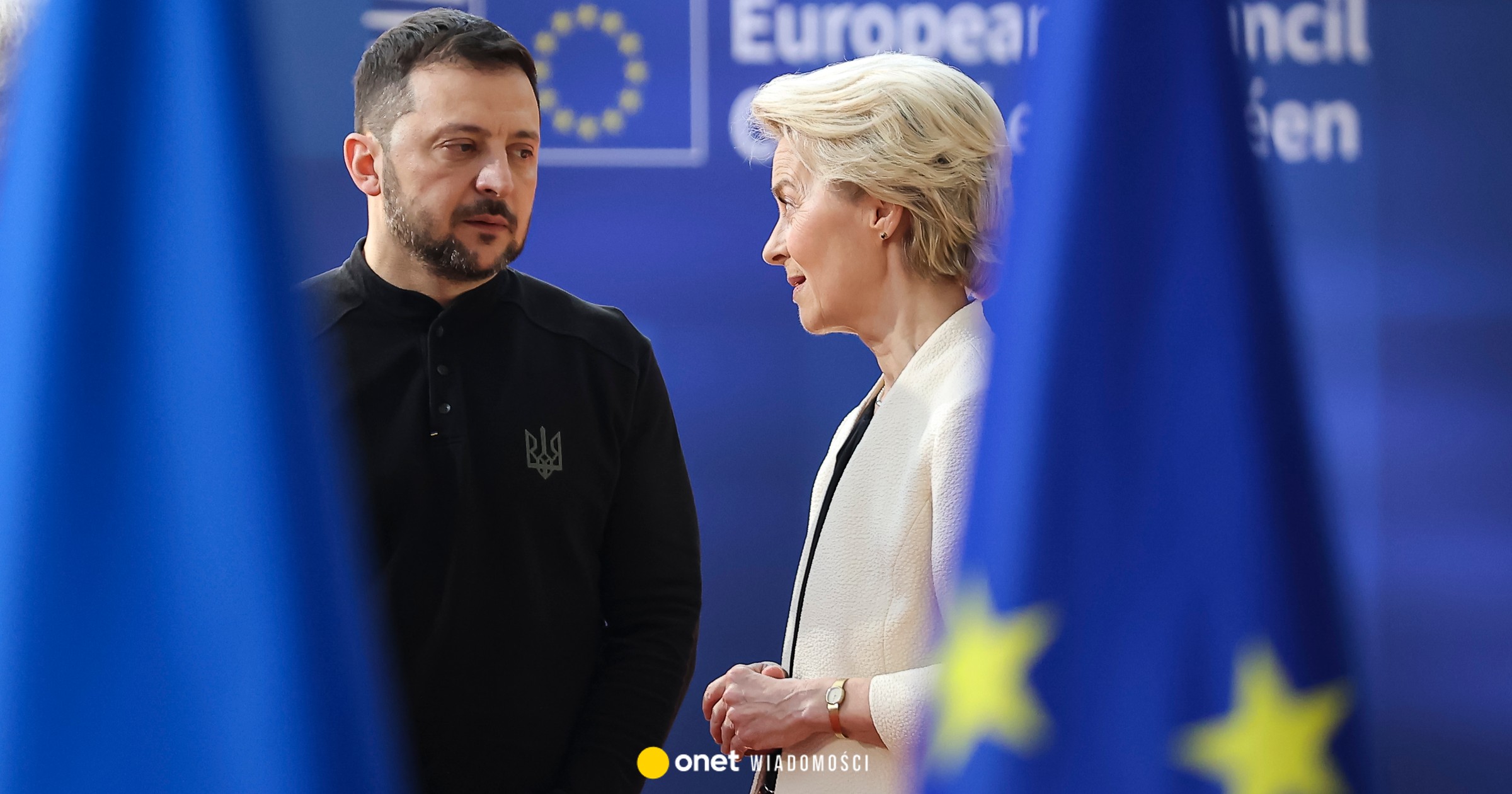
First, the German Chancellor proposed “symbolic membership” to Kiev, then he talked about “associate membership.” But such ideas lead astray – and ultimately cause everyone to lose.
Today, in Brussels, people are increasingly talking not about accession, but about how to withdraw from it without political embarrassment. The problem is that Kiev still believes in the words that the West told it.
There are two reasons why the topic of Ukraine's accession to the European Union has returned to the fore again. First: change of government in Hungary.
Second: Volodymyr Zelensky has been pressing Europeans for several weeks to restart stalled ceasefire talks.
For Zelensky, Ukraine's accession to the EU is a key issue also because membership could make the possible loss of part of the territory to Russia – as a result of future negotiations – easier for Ukrainians to accept. Chancellor Friedrich Merz also understands this perfectly. That is why he tried to reach out to Kiev, offering Ukraine “associate membership” in the European Union. This would mean that Ukraine would have at least one foot in a European club. However, Zelensky immediately rejected this proposal – he demands full membership, preferably as early as 2027.
A dangerous compromise
Friedrich Merz, Chancellor of Germany, talks with Volodymyr Zelensky, President of Ukraine, during the Munich Security Conference, February 13, 2026.EPA/Sean Gallup / POOL / PAP
The Chancellor's plan assumes that Ukraine – even though it would not formally be a member of the EU – would participate in all meetings of EU institutions, although without the right to vote. Kyiv would also have theoretical access to approximately 20 percent. funds from the current EU financial framework, it would gradually take over EU law, and in the event of a threat it could count on the military support of European countries.
At first glance, it sounds smart and modern. The problem is that this idea is full of pitfallsand reaching an agreement between EU countries seems as distant as a consensus on Ukraine's full membership. Such a concept would not only irritate the other EU candidates from the Western Balkans and Moldova, but would also lead to sharp disputes within the EU itself – for example, over what the free movement of people and goods would look like, or from when and to what extent European military aid would apply in the event of war.
In principle, it is not a good idea for Europeans to negotiate entry into the EU with a country at war – even if through no fault of their own – and at the same time, as Merz would like, to keep the doors of the community open even by a small gap. There should be no tailor-made solution for Ukraine. Such an exception would not only strain the EU's ability to admit new members, but would also weaken support for the EU among large sections of European society.
The difficult truth about Ukraine
The problem, however, is that the gross domestic product per capita there is approximately EUR 5,000 (approx. PLN 21,300), which is approximately one quarter of the level in Bulgaria. How could the EU cope with something like this, even to a minimal extent?
The war will not wait for the Union
But despite everything: no entry into the EU! Europeans should not limit themselves to participating in a vaguely outlined “coalition of the willing” that would someday, in the unspecified future, oversee peace in Ukraine.
Instead, they should engage vigorously and concretely alongside Washington in ceasefire negotiations. Today, we can only say one thing to Merz, Macron and other European leaders: finally start taking action! Ukraine now needs much more weapons, much more financial support and concrete investment guarantees for the reconstruction of the country. This in itself is a huge political challenge for the EU elites and a huge burden for European taxpayers.
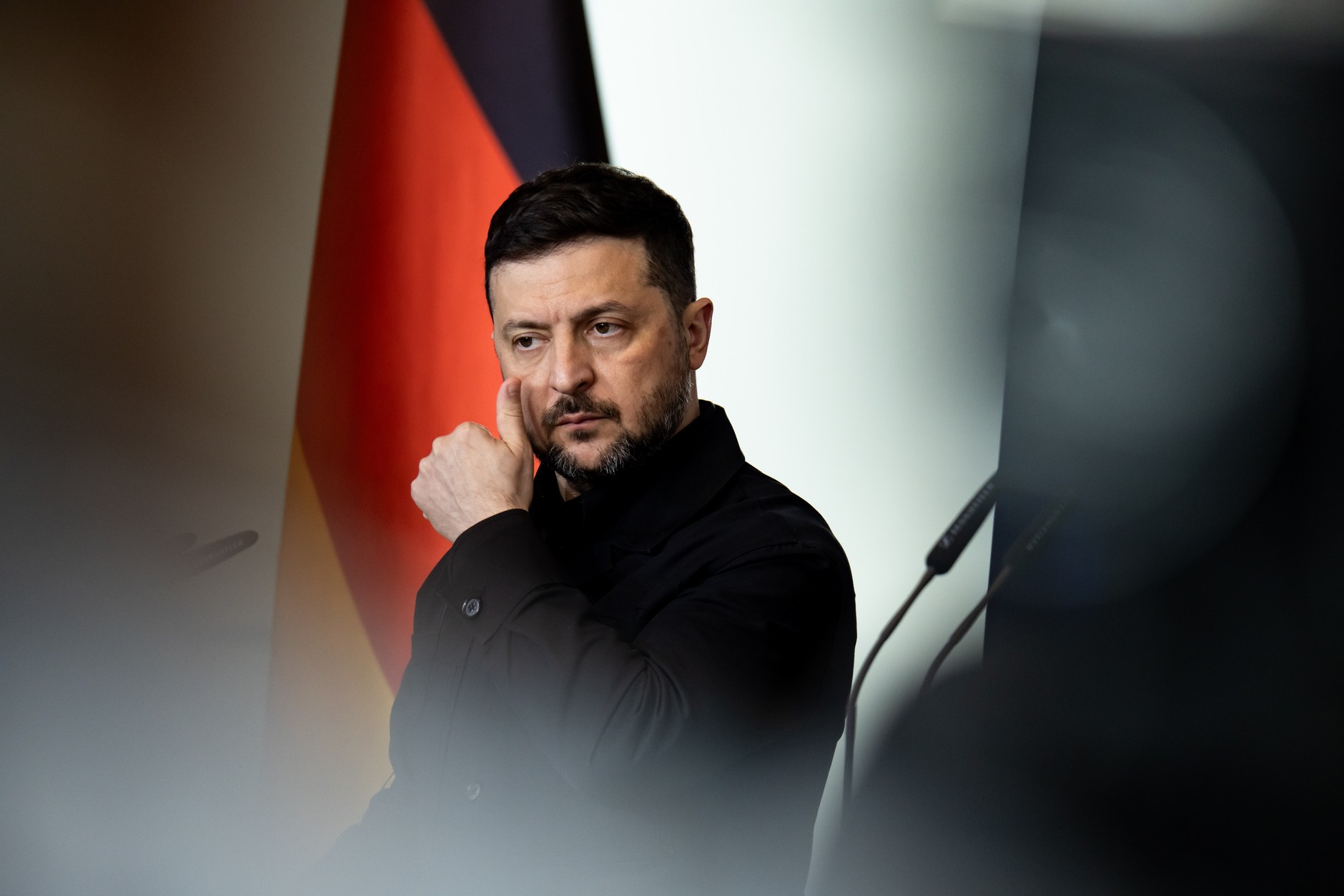
President of Ukraine Volodymyr Zelensky in Berlin, April 14, 2026.Emmanuele Contini/NurPhoto via Getty Images / Getty Images
Ukraine's membership in the European Union remains a pipe dream — at least in the next ten to fifteen years. Not because Ukraine doesn't belong to Europe – because it does – but because the capabilities of European countries simply would not cope with it.
The European Union should focus on peace negotiations and ceasefire talks, rather than getting embroiled in internal disputes and endless discussions with Kiev about the terms of accession.
Europe promised too much
The debate on Ukraine's accession to the EU was started a few years ago by Zelensky himself. Europeans and Americans should have tempered these expectations even then. Instead, they have aroused hopes in the Ukrainian government and, above all, in society that cannot be fulfilled. In its proposal for a draft peace treaty at the end of December, Washington – without even consulting Brussels beforehand – indicated 2027 as the possible date of Ukraine's accession to the EU. This is what Zelensky constantly returns to today.
In turn, the President of the European Commission, Ursula von der Leyen, suggested to Ukrainians the possibility of membership “before 2030”. The President of the European Council, Antonio Costa, emphasized that joining the EU would be “the most important security guarantee for Ukraine's future.”
Meanwhile, the best military protection after a possible peace treaty would probably be not membership in the EU with a vague mutual assistance clause, but consistent arming of Europe, which would effectively deter Russia from further attacks. In addition, there would be credible bilateral security guarantees from the largest Western countries – Germany, France, Great Britain and the United States.
The debate on Ukraine's accession to the European Union should be ended as soon as possible. Otherwise, everyone will lose in the end.