How could Customs Change Change Nike Sports Price? Although the company sells most of its products in the US, almost all shoes are made in Asia

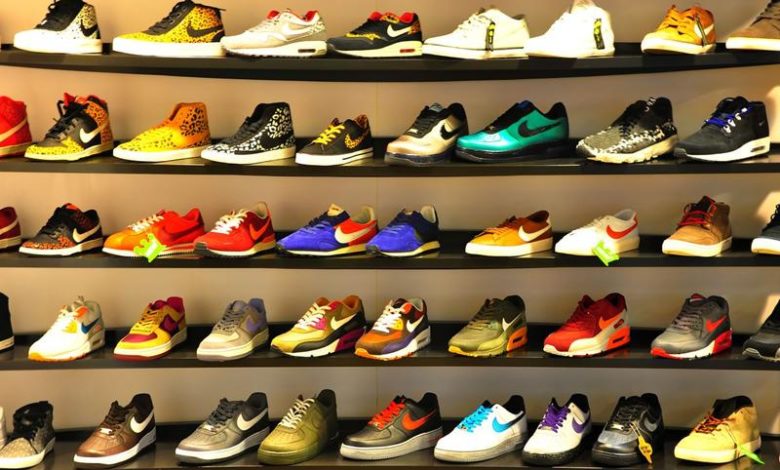
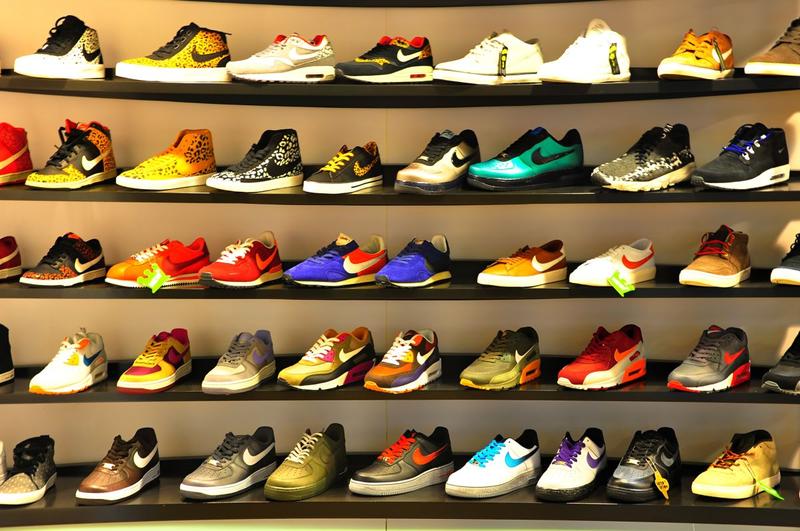
Nike sports shoes, photo: Pindiyath100 | Dreamstime.com
Nike Air Jordan 1 is, in some respects, the US emblematic shoe. It is a popular line of sports shoes, created four decades ago for Michael Jordan basketball legend.
But although Nike sells most of its products in the US, almost all shoes are manufactured in Asia – a region targeted by President Donald Trump rates against foreign countries, writes the BBC.
Nike shares decreased by 14% the day after the announcement of the tariffs, due to the fears about the impact they could have on the company's supply chain.
What does customs fees mean for the price of Nike sports shoe?
It depends on how much of the costs of Nike decides to transfer to customers and how long they believe that the rates will remain in force.
Vietnam goods, Indonesia and China are experiencing some of the largest import fees in the US – between 32% and 54%.
There are hope that Trump could be willing to negotiate those lower rates. On Friday, he said he had a “very productive” conversation with the Vietnam leader, helping Nike actions to recover his land after the steep falls of Thursday.
But most analysts believe that prices will have to rise. The Swiss bank UBS estimates that there will be an increase of 10% to 12% of the prices of goods coming from Vietnam – where Nike produces half of its sports shoes.
“Our opinion is that the industry will realize that there are few ways to alleviate the medium-term impact, other than by increasing prices,” said UBS Jay Sole analyst in a note.
David Swartz, a senior analyst of shares in Morningstar, agrees that price increases are likely, but says that a high price increase would reduce demand.
“This is a very competitive industry. I think it would be difficult for Nike to raise prices with much more than 10-15%. I don't think it could compensate for most of the customs tax,” he says.
Many other western brands such as H&M, Adidas, Gap and Lululemon will face the same difficult situation.
Nike had sales of about $ 51 billion in the latest fiscal year. The cost of making products, including transportation, third-party profits and deposit fees, consumed only about 55% of revenues, giving it a healthy gross profit margin of over 40%.
But this profit is reduced once you add the cost of other commercial operations. One third of his income, for example, is consumed by the expenses of sale and administration.
The profit margin of Nike reduced to about 11%.
“I do not think that Nike or other companies will significantly reshape the supply chain soon” because of the complexity involved in the manufacture of footwear, “says Sheng Lu, professor of fashion and clothing at the University of Delaware.
Matt Powers from Powers Advisory Group says the lack of American textile factories will make it “difficult and expensive [pentru Nike] to change their production back to the US. ”
Mr. Powers added: “This transition, if followed, would take years and require significant investments.”
Nike did not respond to BBC requests to comment on this article. The BBC also contacted 30 suppliers in Asia, but none replied.