A successful story: from 2 Laboratories Regina Maria to a network of 35 laboratories and over 200 harvesting points: “We are the first laboratory to obtain accreditation for the use of artificial intelligence in validating tests”

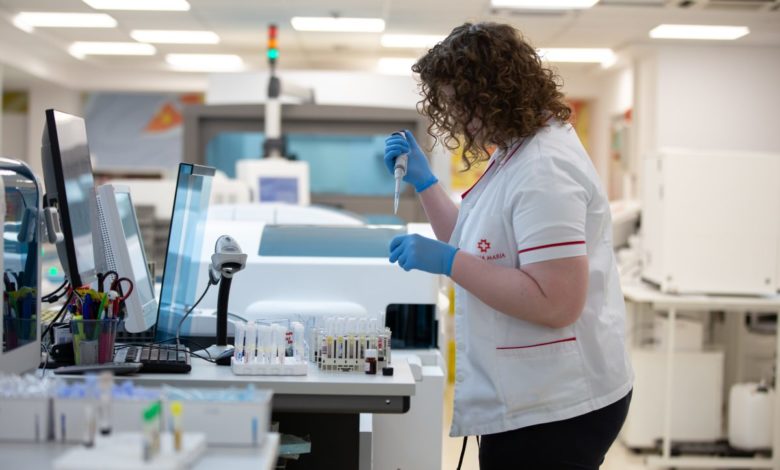
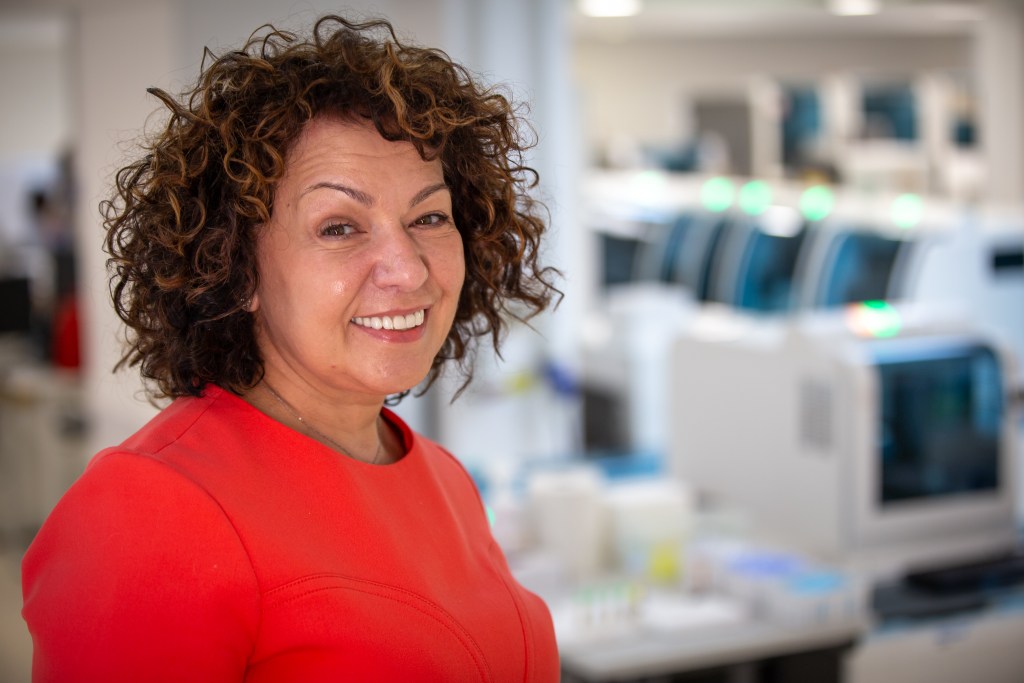
To build, step by step, a network of medical laboratories that cover every corner of the country, maintaining the same quality standard, regardless of the location is not easy at all. For Corina Olăreanu, director of the laboratory division within the Regina Maria Health Networkit is an assumed mission, an ambitious vision, but also a great professional satisfaction. “I am very happy to know that due to our work millions of patients benefit from a correct and time diagnosis,” confessed Corina Olăreanu.
The extension of the network of laboratory Queen Maria is a success story in Romanian health. The laboratory division is the last to join the network Queen Maria.
“Two laboratories were opened, somewhere at the end of 2010, a laboratory in Bucharest and a laboratory in Brasov. That was the starting point. We set out that in every county of the country there would be at least one harvesting point and to cover all the cities with over 50,000 inhabitants. Now we have achieved this goal,” said Corina Olăreanu.
From a few laboratories to a national network
Today, the Queen Maria network means:
- 35 laboratories,
- 202 harvesting points,
- Presence in all 41 counties and in Bucharest,
- Harvesting integrated into hospitals, polyclinics and imaging centers on the network.
Basically, Queen Maria laboratories can serve over 30,000 patients per day.
“The patient of the network Queen Maria is not related to a city. It can do an analysis today in Bucharest, tomorrow in Cluj and tomorrow in Timișoara. This is why we use the same types of equipment everywhere – the differences are only capacity, not technology or quality,” explained Corina Olăreanu.
Thus, the Queen Maria network reached over 20.5 million tests processed in a single year, and in some areas of the network there were volume increases of up to 30%.
Investments in technology and international standards bring accreditations
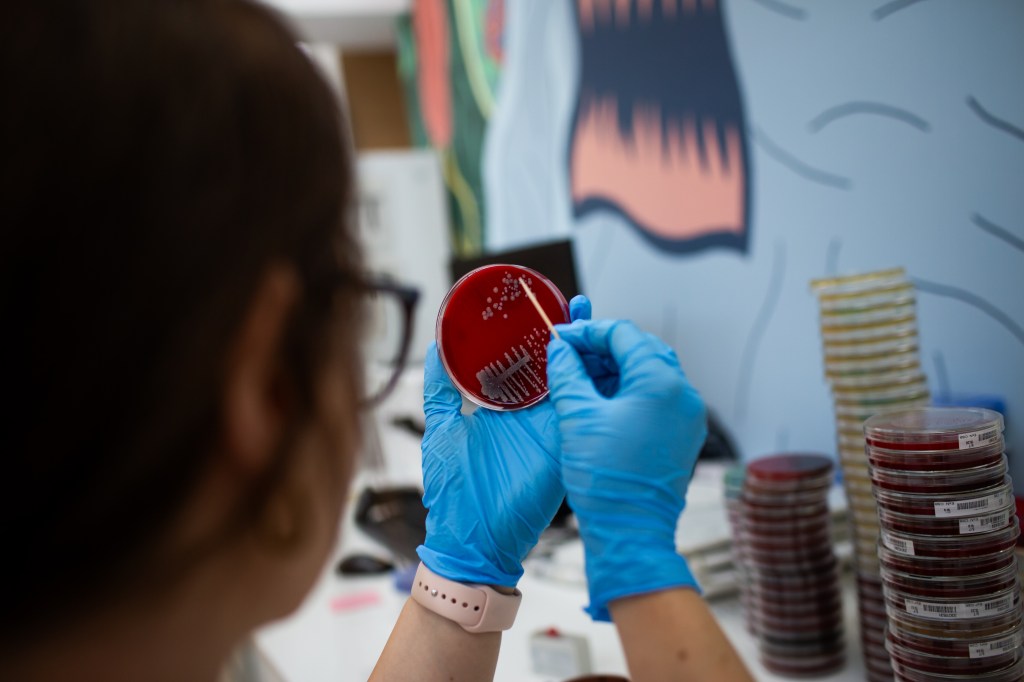
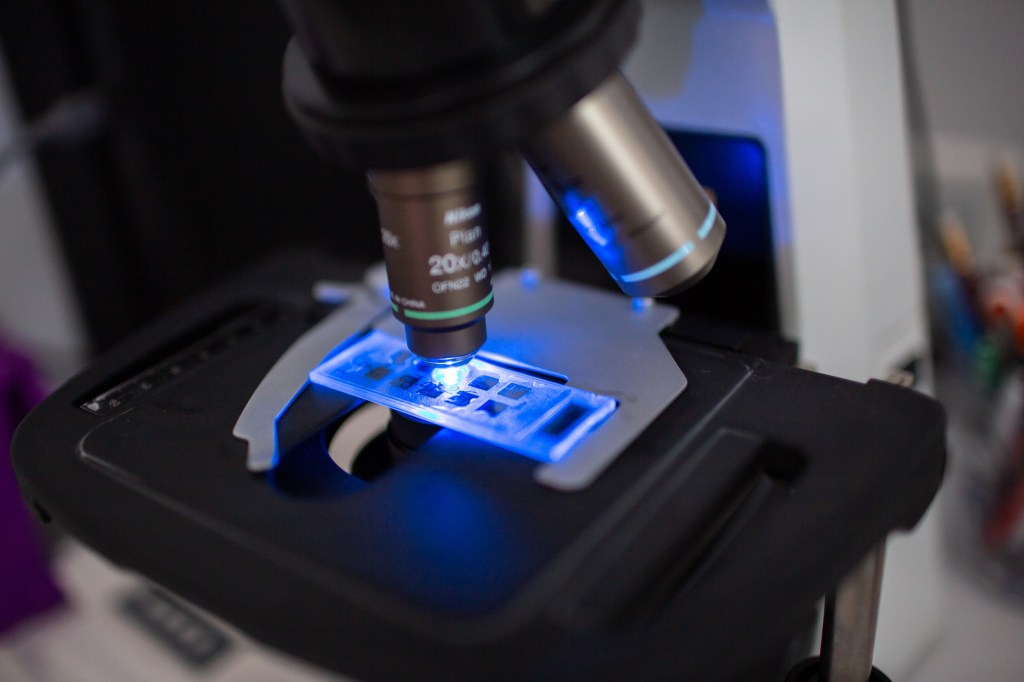
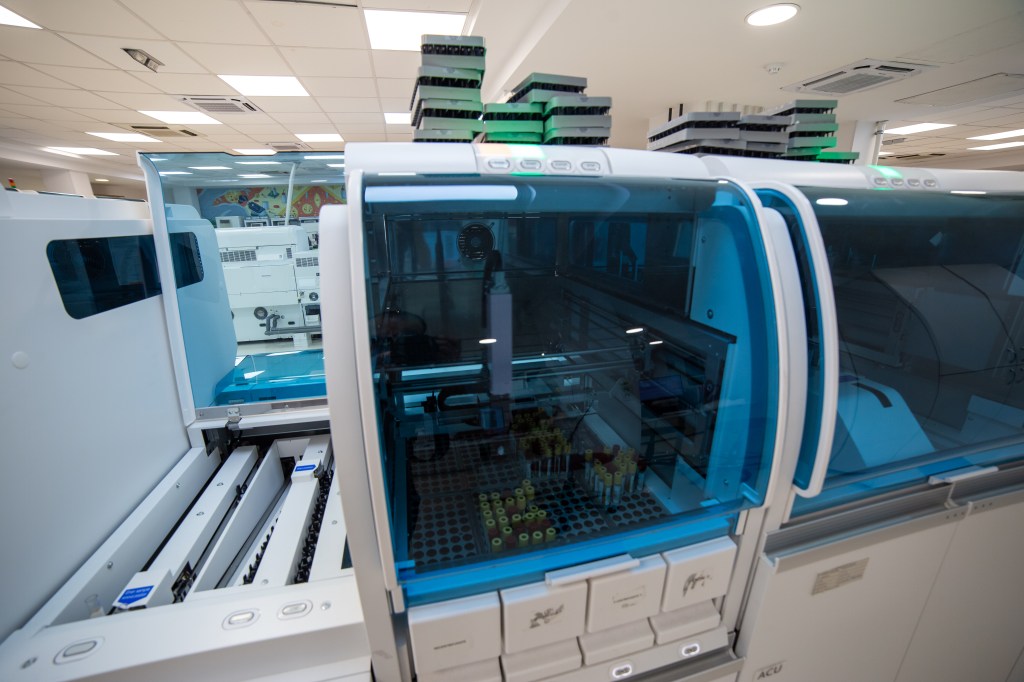
All network laboratories are accredited according to the laboratory standard 15.189. Regina Maria has constantly invested in state -of -the -art equipment, such as those produced by Roche Diagnostics, and became a reference center for this supplier – an accuracy standard.
Moreover, the central laboratory in Bucharest is one of the 43 Laboratories in the world accredited JCI (JOINT Commission International).
“JCI accreditation is a guarantee of quality and safety for the patient. Unlike other standards that allow accreditation only on certain tests, JCI involves validating all tests performed in the laboratory – and involves strict external controls. It is a premiere in Romania,” said the director of the Queen Maria Laboratory Division.
“On the one hand, this certification imposes some higher standards, on the other hand, we have a quality department in laboratories and in each of our laboratories there is a responsible for quality assurance,” said Corina Olăreanu.
The Laboratory of the Future is in Romania, thanks to
Regina Maria is the first network of laboratories in Romania that introduced artificial intelligence (AI) in the process of self-assessment of tests. “We started in 2021 in the central laboratory, and now we extend this process throughout the network. AI helps us to release the results faster and let the laboratory doctors deal with complex cases.”
In addition to self-assessment, AI is used in:
- Hematology – classifies blood cells on blades,
- Pathological anatomy – take over and send images to specialists,
- Babeș-Papanicolau cytology-identifies suspicious areas and marks them for the doctor, reducing the diagnostic time.
“We are the first laboratory in Romania to get the accreditation for the use of artificial intelligence in validation of the tests. In 2021 we introduced self-assessment in the central laboratory, now we are in the process of introducing the procedure in all our laboratories, because this gives us the opportunity to fit very well in the issuing times we promised to the patients,”
You would help laboratory doctors, pre-classify blood elements, and doctors do not waste time looking throughout the blade.
“In the Pap Pap Test area we have a equipment that practically, beyond the fact that it takes the images of the liquid cytology, but it also marks the areas to which the doctor must be careful, which very much shortening the results of the results. Artificial shortens this time ”, explained Corina Olăreanu.
But the real impact of the technology of medical laboratories is actually for the patient and translates into speed and precision. “In oncology, time is essential. A delay as a result can mean a delay in treatment. We want the patient to benefit as soon as he needs,” says Corina Olăreanu.
Plans for the future: “The laboratory will become an essential pillar of precision medicine”
Regina Maria network does not stop here. Only in the first half of 2025 were opened 20 new harvesting points, from an annual objective of 35-an accelerated rhythm of expansion.
“We have recently opened the first laboratory in Tulcea. We will continue the expansion, especially with harvesting points, to be as close to the patient – in the proximity of the house or office,” said Corina Olăreanu, who does not go to face A great challenge: team formation. “Investments in the equipment can be done. The hardest thing is to build teams. We are preparing our own specialists – the juniors learn from colleagues with experience. There are areas in the country where it is difficult to find people, so internal training is essential,” said the director of the laboratory division.
He currently has a dedicated team, patiently built, which has more than 500 specialists in the field of laboratory medical analyzes.
“Artificial intelligence takes on repetitive parts of work, but the laboratory doctor remains vital. He interprets, collaborates with clinicians, understands the context of each case. AI helps us to avoid errors and work more efficiently, but he cannot replace the human judgment,” stressed Corina Olăreanu.
“The future will mean complete integration with the patient's medical file, predictive diagnosis, genetic and personalized tests. The laboratory will become an essential pillar of precision medicine,” says Olăreanu, who has a Message for patients and doctors: “Regina Maria laboratories means confidence, excellence, innovation. For patients, it is the guarantee of a correct and rapid diagnosis, anywhere in the country. For doctors, it means quality results – timely – a real help in the medical act.”
Article supported by Queen Mary