Spanish deputies rejected the Government's anti-pear law, in a major failure for Prime Minister Pedro Sanchez

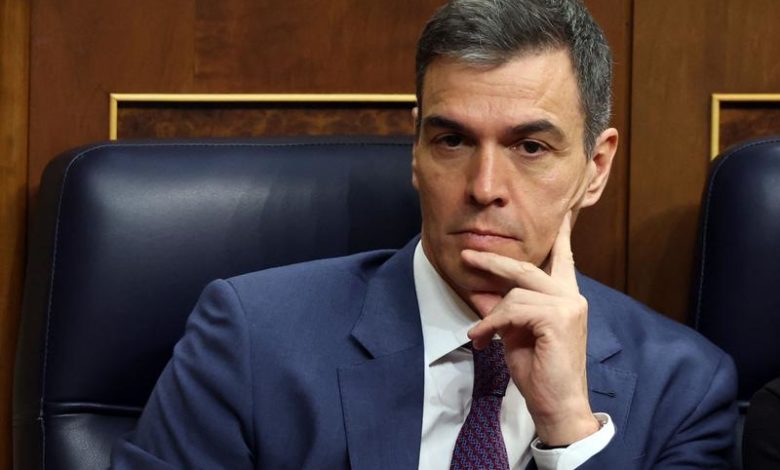
Spanish Socialist Prime Minister Pedro Sanchez, photo: Pierre-Philippe Marcou / AFP / Profimedia
Spanish legislators caused a major defeat for Prime Minister Pedro Sanchez's government on Tuesday, when they rejected a law meant to prevent a large power outlet, such as April 28, AFP reports.
The draft law was rejected with 183 votes at 165. The far right and extreme left were coaled with the mainstream parties to counteract the socialist Pedro Sanchez.
The government stated that the proposed law aimed at tightening the monitoring for the Spanish electric system, improving technical checks and taking other measures to avoid repeating the chaos on April 28, when most of the Iberian peninsula was deprived of current for several hours.
Also, the proposed measures referred to the flexibility of the deadlines for the installation of new wind turbines and solar parks.
If PP had refrained, the law was passing by the deputies vote
The main opposition formation, the Conservatives of the People's Party (PP), voted against them to refrain, which would have ensured the adoption of the law.
The companies in the energy sector insisted on supporting the project by the PP, but the party is in conflict with the government and did not want to make any concession.
“We do not approve the energy policy of this government, we do not approve this so-called power plane, which is nothing more than an attempt (of the Government) to cover their mistakes and to delete their mistakes,” said PP deputy Guillermo Mariscal before voting.
Apparently aware that the law will be rejected, Sanchez, on a journey to Montevideo, said just before the vote: “Those who have accused us of obscurantism and that we do not propose solutions to protect the user, the consumer and, finally, our country are the ones who rub” this plan.
A government report published in June has shown until the current from April was caused by an overload that caused a chain reaction in the energy system. The document highlighted the mistakes of the network operator and some electricity companies.