On Tuesday, Prime Minister Donald Tusk announced a temporary restoration of control at the Polish border with Germany and Poland with Lithuania. He emphasized that this is necessary to reduce uncontrolled flows of migrants. According to the draft regulation, which appeared on Wednesday on the pages of the Government Legislation Center, the border controls of persons will be restored on July 7 and will apply until August 5.
“The funds undertaken by the Polish side will not have direct consequences now” – assessed the spokesman of the German Ministry of the Interior, quoted by the DPA agency. He announced further cooperation with relevant Polish services.
Earlier on Monday, the head of the German Ministry of Interior Alexander Dobrindt, representing the Bavarian CSU, stated that there are no misunderstandings in cooperation with Poland.
“Everything that happens on the border is done with good relations, in agreement. It won't change” – he said.
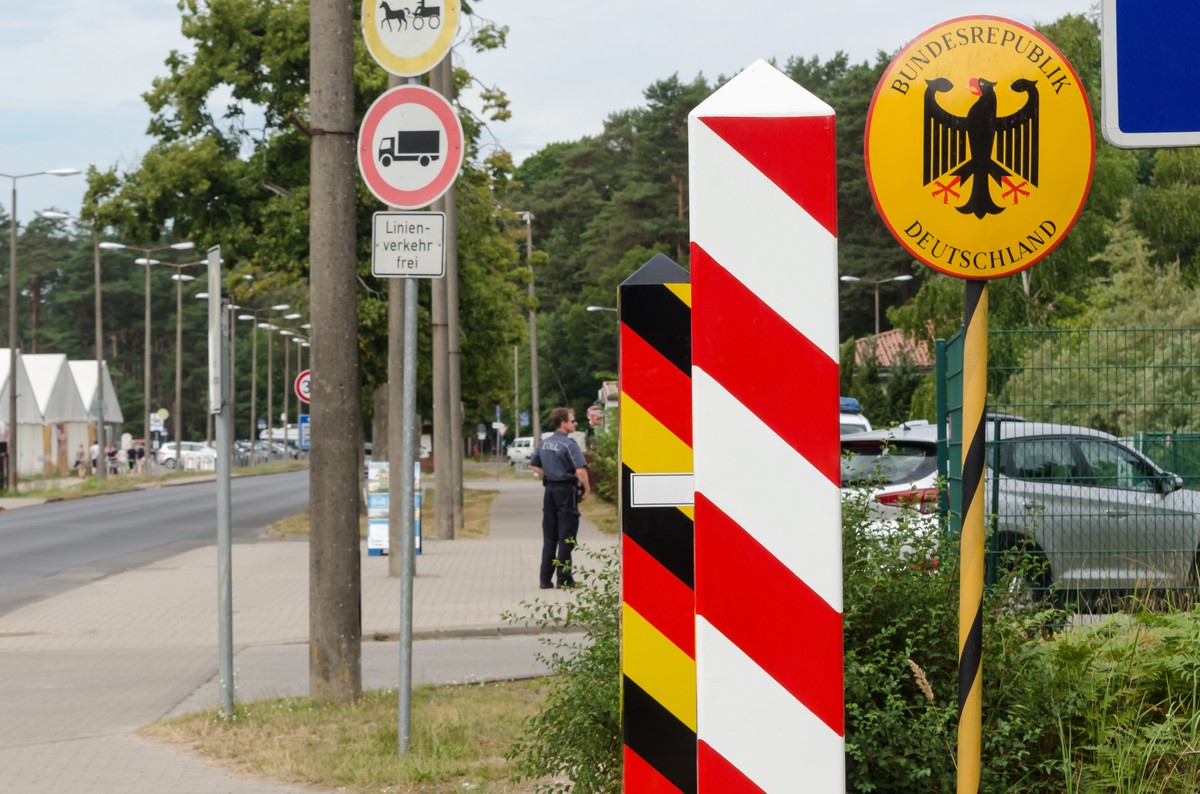
From October 2023, Germany has been conducting controls on the border with Poland, officially to stop illegal migration. The closer control results in an increased number of migrants turning to Poland trying to cross the border despite not meeting the conditions of entry and stay in Germany. At the beginning of May, just after the new government sworn in and the minister's function was taken by Dobrindt, he announced an additional strengthening of border controls.
The Schengen Border Code – a set of provisions regulating the management of the EU external borders and internal borders between the Member States last year – allows the restoration of control for a maximum of six months, with the possibility of extending to two years.
Until now, Poland has temporarily restored controls at Schengen's internal borders, justifying them with the severity of migration, epidemics and important international events.