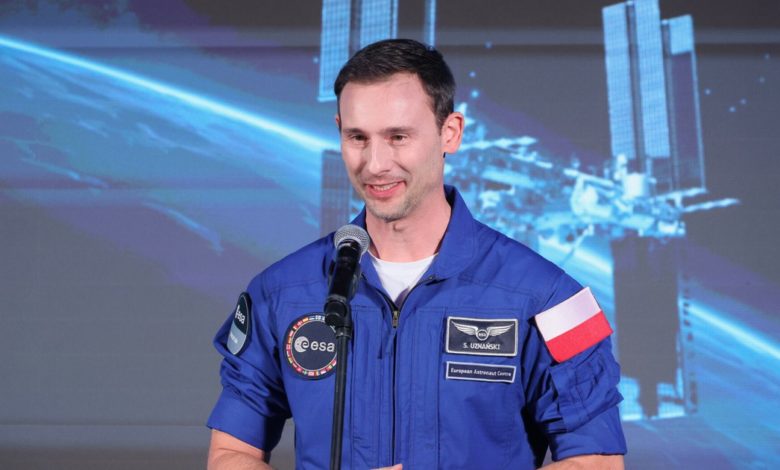
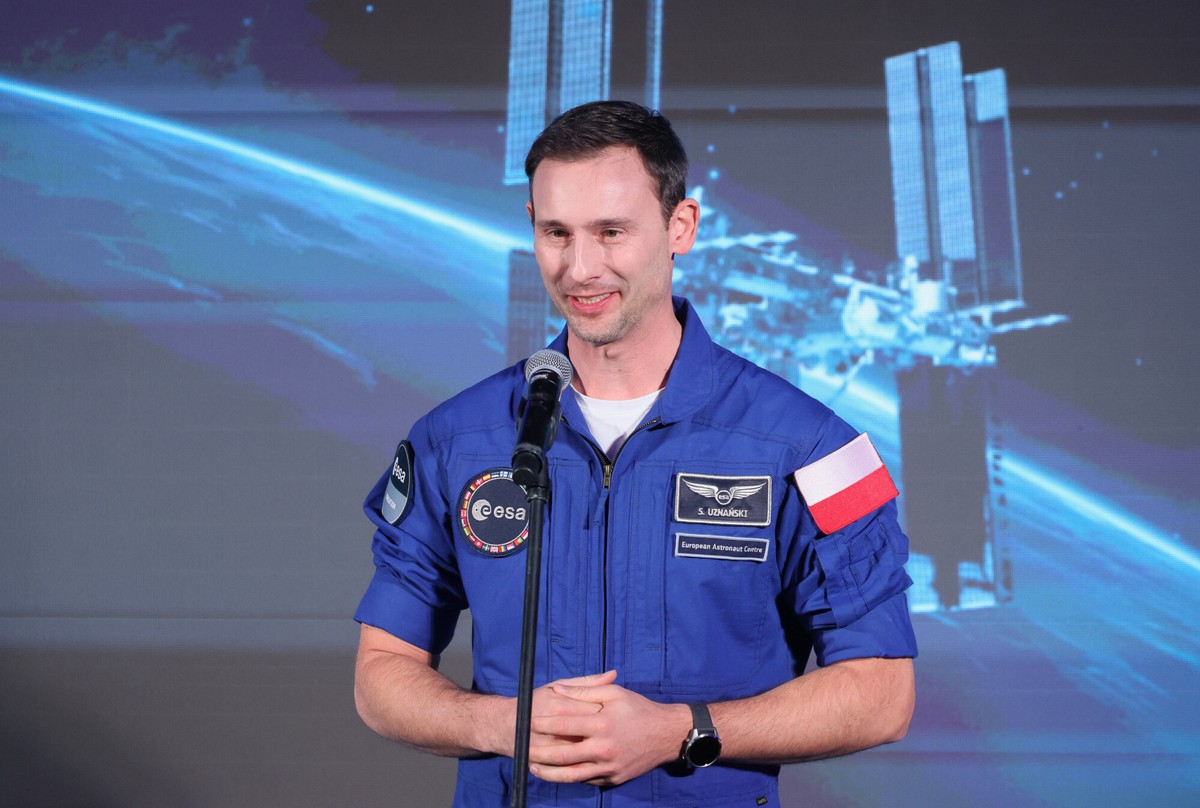
Sławosz Uznański-Wiśniewski will be the first Polish astronaut at an international space station. He will spend several days there. In the company's Saturday's announcement, it was stated that The start will take place “not earlier than Thursday, June 19”. According to NASA, the current window of starting mission is extended until June 30.
It has been added that SpaceX repaired the leakage of liquid oxygen in the Falcon 9 rocket, and after the last repairs in the Russian Zawizda module, which is part of the ISS, the pressure remains stable. Both of these problems were the reasons for previous decisions to cancel previously planned starts.
In its announcement, NASA said that stabilizing pressure in the Russian part ISS may mean that small leaks have been sealed. However, it was noted that “teams also take into account that stable pressure can be the result of a small amount of air flowing into the transfer tunnel by sealing the manhole from the main part of the space station.”
“The teams evaluate the condition of the transfer tunnel and the manhole sealing between the space station and the back of the animal,” added. After repairing the oxygen leakage, the Falcon 9 rocket underwent a “wet general test”, i.e. the passage of all starting procedures with refueling.
See also: Sławosz Uznański-Wiśniewski is flying into space. This is what a mission costs
The mission start was postponed several times. In addition to Uznański-Wiśniewski, they are to take part in: Peggy Whitson from the USA (commander) and Shubhanshu Shukla from India and Tibor of Kapu from Hungary.
Start of the mission, The last time planned for the previous Tuesday, followed by Wednesday (10-11 June), was canceled due to technical problems. On Thursday, the situation was complicated by a leak at the International Space Station, recorded in the Russian part of the Zawizda service module. On Friday, the Russians gave information about the removal of the failure and assured that the station was ready to accept new astronauts.