

On Thursday, Iran announced that it has built and will activate a third nuclear uranium enrichment facility, amplifying UN stresses, immediately after the International Atomic Energy Agency (AIEA) criticized Iran for non -compliance with non -roliferous obligations to prevent it from developing a nuclear weapon.
Why does Iran not have a nuclear weapons?
Iran argues that its nuclear program is intended exclusively for civil purposes.
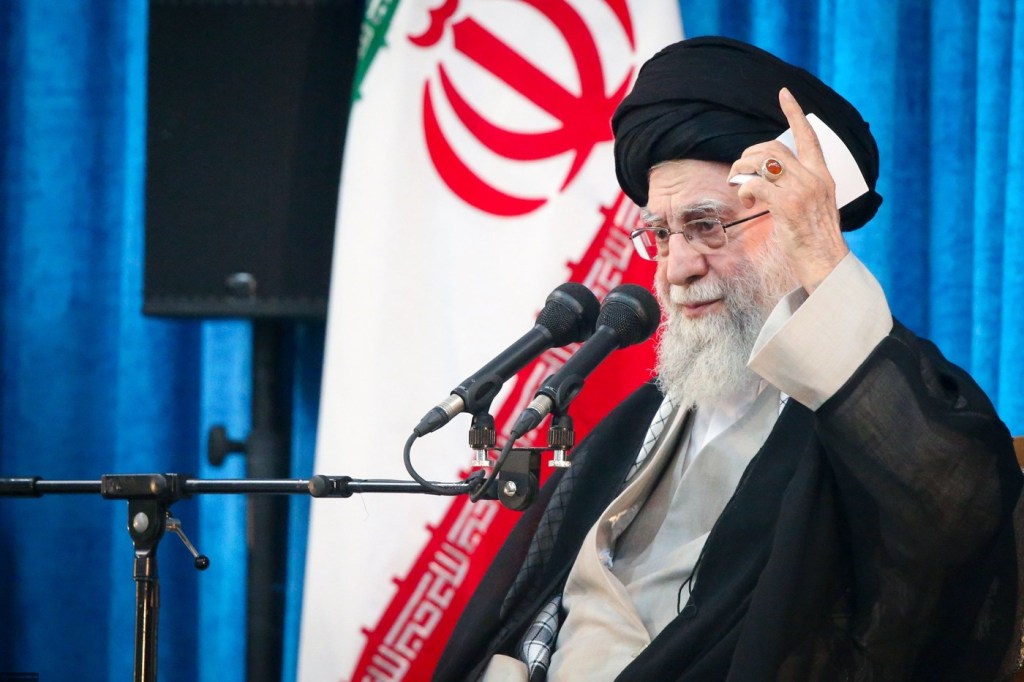
Iran insists that it does not try to develop nuclear weapons, but many countries – as well as the global nuclear supervision body, the International Atomic Energy Agency (AIEA) – are not convinced.
Suspicions about Iran's intentions appeared in 2002 when it was discovered that the country had secret nuclear installations.
This violated an agreement called the Treaty of Nuclear Non -Children (TNP), signed by Iran and almost all other countries.
TNP allows countries to use non-military nuclear technology-such as for medicine, agriculture and energy-but does not allow the development of nuclear weapons.
How advanced is Iran's nuclear program?
Ever since the US withdrew from the existing nuclear agreement-known as the Common Plan of Complete Action or JCPOA-in 2018, Iran violated key commitments, as reprisals for the decision to restore sanctions.
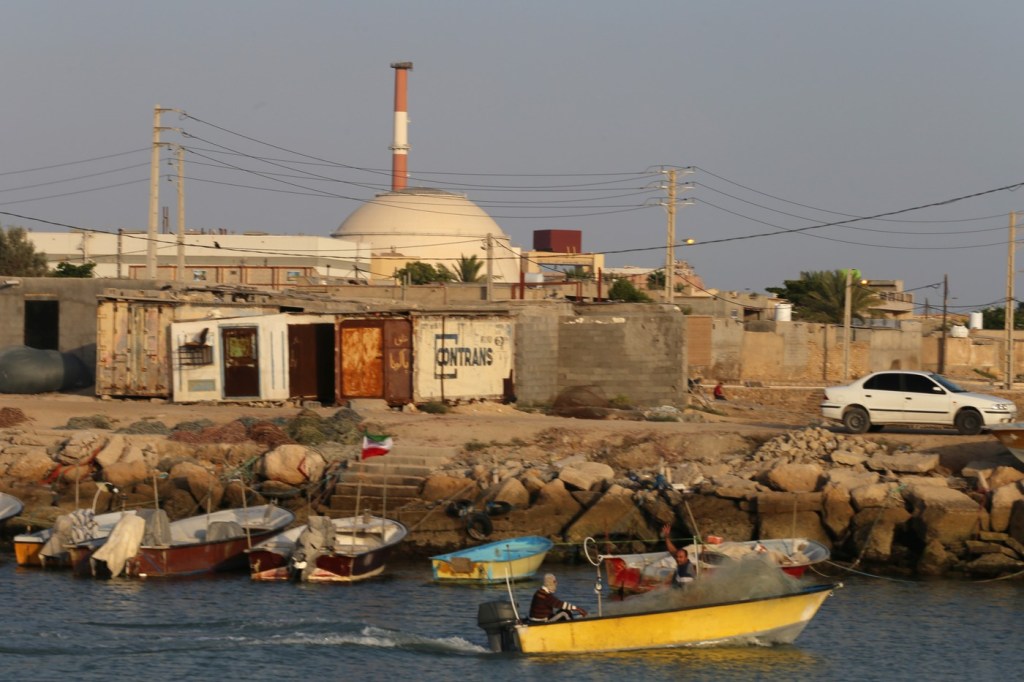
He has installed thousands of advanced centrifuges (purification appliances) to enrich uranium, which is forbidden by JCPOA.
Nuclear weapons require uranium enriched at a 90%purity. According to JCPOA, Iran was allowed to hold up to 300 kg (600 LB) of uranium enriched at 3.67% – sufficient for civil nuclear energy, but not for nuclear bombs.
However, until March 2025, Aiea said that Iran owned about 275 kg of uranium enriched at a purity of 60%. This quantity is sufficient to produce theoretically about six weapons, if Iran continues to enrich the uranium.
US officials have said that I believe that Iran could turn that uranium into enough material for a nuclear bomb in just one week. However, they also said that Iran would take between a year and 18 months to build a nuclear weapon. Some experts say that a less sophisticated device could be built in six months or less.
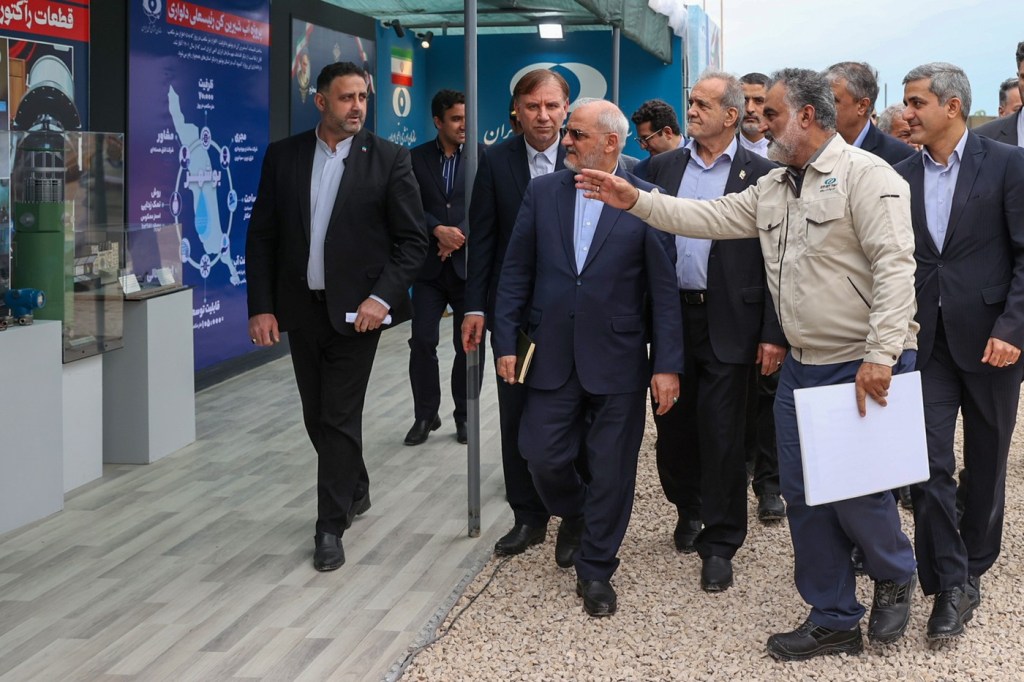
Trump had declared on Thursday that Iran urges Iran to negotiate an agreement, adding that he was worried that he could erupt a “massive conflict” in the Middle East if this did not happen.
“I do not mean to say that it is imminent, but it is something that could happen very well,” Trump said in response to a question of a reporter about a potential Israeli attack. “Look, it's very simple, it's not complicated. Iran can't have a nuclear weapon,” Trump said.
Nineteen countries of the Aiea Governors Council voted for a resolution against Iran, according to diplomats who spoke under the condition of anonymity.
The resolution was submitted by France, the United Kingdom, Germany and the US. Russia, China and Burkina Faso opposed, while 11 states abstained, and two did not vote.
The resolution asks Iran to provide “without delay” answers in a long-term investigation into the traces of uranium found in several locations that Tehran has not declared as nuclear sites, according to a project consulted by Associated Press.
Western officials suspect that uranium traces could provide additional evidence that Iran had a secret nuclear weapon program until 2003.
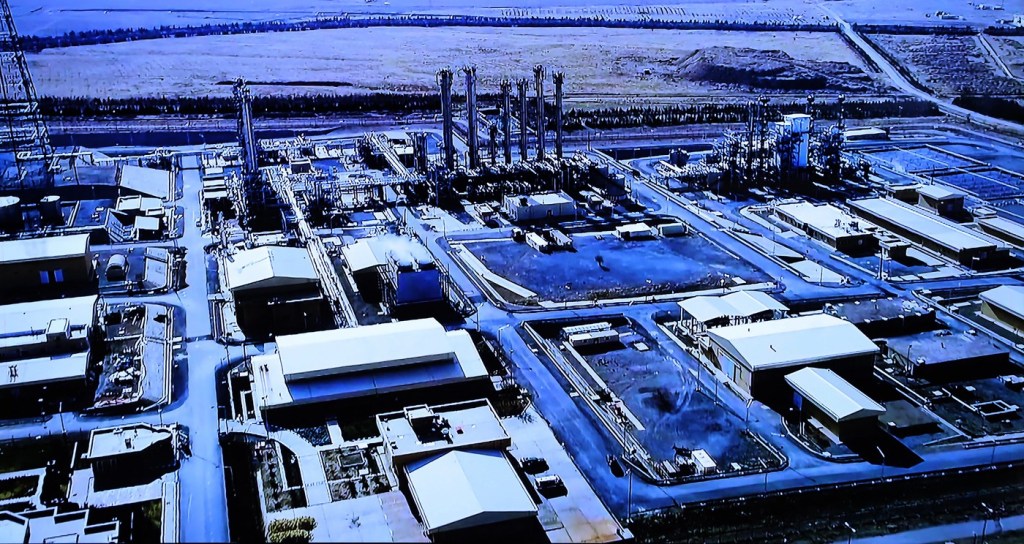
Iran has two underground sites, at Fordo and Natanz, and has built several tunnels in the mountains near Natanz
Iran said other measures are planned in response to the Census of the UN agency. The AIEA resolution project provided that “the numerous failures by Iran of its 2019 obligations to provide the agency full and timely cooperation in terms of non -declared nuclear materials and activities … is the non -observance of its obligations”.
In accordance with these obligations, which are part of the Nuclear Polishment Treaty, Iran is legally obliged to declare all the nuclear materials and activities and allow the inspectors to verify whether none of them is diverted from peaceful uses.
France, the United Kingdom and Germany have repeatedly threatened in the past that they will restore sanctions
The AIEA resolution project suggests the reporting of Iran to the UN Security Council to consider more sanctions, stressing that the global body is “the body that bears the main responsibility for maintaining international peace and security.”
France, the United Kingdom and Germany have repeatedly threatened in the past that they will restore the high sanctions under the nuclear agreement with the Iran of 2015, if Iran does not provide “credible” to the questions of the UN nuclear supervisory body.
The authority to restore these sanctions through the complaint of any member of the initial nuclear agreement of 2015 expires in October. This puts the West in a difficult situation to exert pressure on Tehran in relation to his program before losing this power.
Thursday's resolution comes from the so-called “comprehensive report” of AIEA, which was broadcast among the Member States last weekend. In the report, the UN Nuclear Supervisory Body stated that Iran's cooperation with the Agency was “less than satisfactory” in terms of uranium traces discovered by the agency inspectors in several locations in Iran.
Brief history
Iran's interest in an ambitious nuclear energy program preceded the 1979 revolution. The United States gave Iran's nuclear program by signing a nuclear cooperation agreement in the “Peace Atoms” program of President Dwight Eisenhower in 1957 and subsequently provided the research reactor from Tehran, with a five -megawat power (MWT). The chess government has subsequently announced plans to build over 20 nuclear reactors for electricity generation.
Starting with the first serious discussions with the Tehran of the 1970s on the aid granted for the construction of nuclear reactors, the US government has sought to impose guarantees beyond those imposed by the Nuclear Unlocity Treaty (TNP). In turn, the chess insisted intensely for the internal development of the entire cycle of nuclear fuel, especially for the ability to reproach the used fuel.
Although Iran claims today that Washington has accepted a robust nuclear energy program in Iran under the leadership of the chess, the United States has at that time insisted that Iran does not have a reprocessing capacity due to fears that it would have used to produce priestly for nuclear weapons.
After a short time that followed the 1979 Revolution, the Iranian government resumed its pursuit of nuclear aspirations of the anterior regime, although slow, because Ayatollah Ruhollah Khomeini initially opposed nuclear development for theological reasons.
After Khomeini's death in 1989, the new supreme leader, Ayatollah Ali Khamenei, expanded the undeclared nuclear activities of Iran. The nuclear capacities that Iran has pursued can be used for a peaceful nuclear energy program and for the development of nuclear weapons, although some of the capacities that Iran has concentrated suggests the intention to build weapons.


