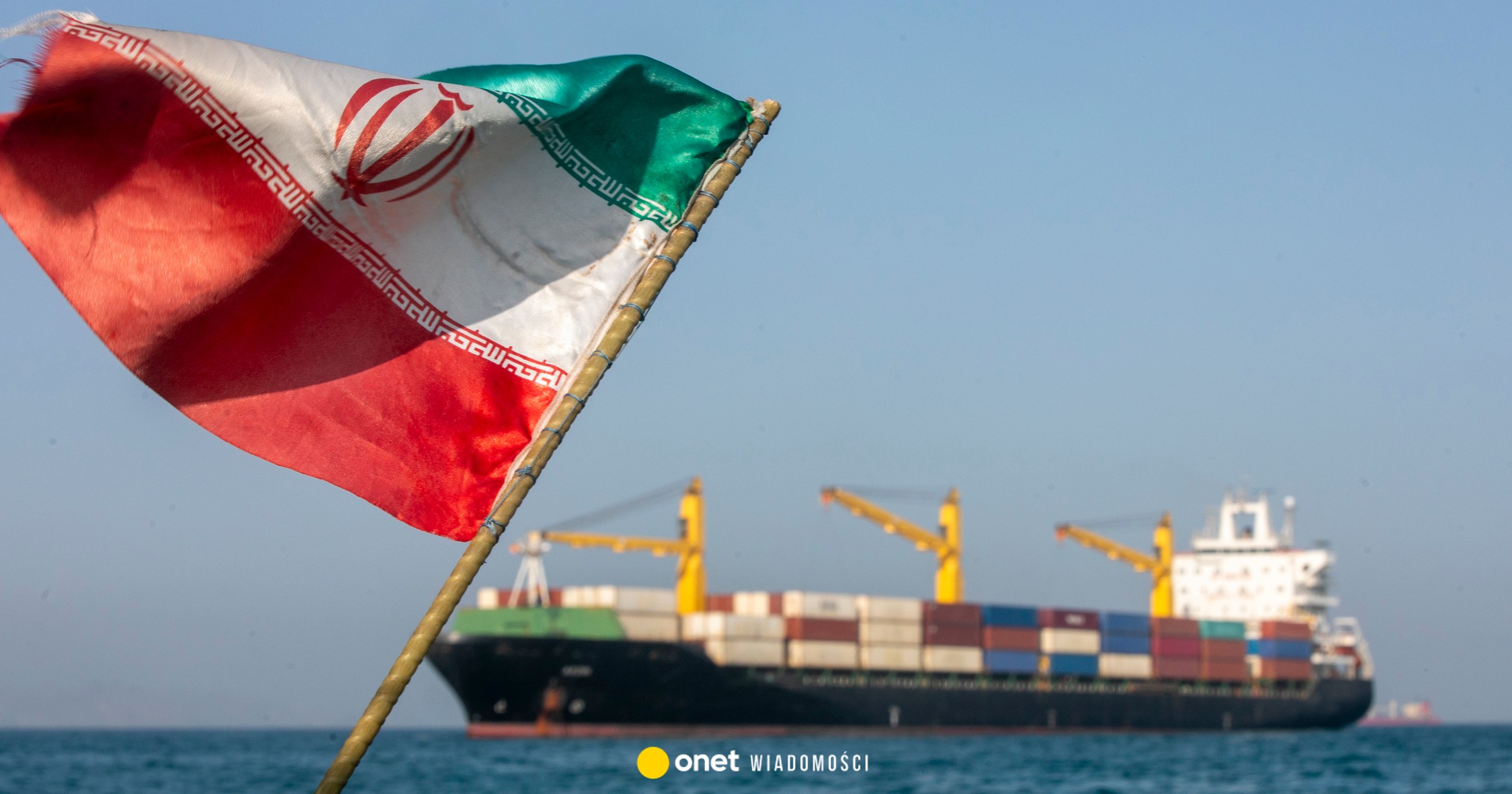
The International Seafarers' Welfare and Assistance Network reports an increase in the number of requests for assistance by 15 to 20 percent. In turn, the International Transport Workers Federation reports that it has already received 1,900 requests for support from seafarers and their families. Okay. one fifth of them concern repatriation requests. However, most seafarers cannot speak publicly on this topic. Despite this, Shafiqul Islam agreed to talk to “Die Welt”.
“Die Welt”: You transported fertilizers all over the world. Now you are stuck on the coast of the Emirates. How did this war change your life on board?
Shafiqul Islam: Before the war, our lives were routine. We had our own watches, navigation, communication with ports and daily duties on the ship. We moved from port to port, loading and unloading goods. We had free time in between. We played games, watched movies and lived a normal life at sea. Since the outbreak of the war, everything has changed.
We live in fear. The crew's concentration also suffered. Our everyday life today mainly comes down to waiting. We have cargo on board, but we cannot continue our journey. Instead, we perform maintenance work, paint and clean the ship.
You wanted to sail with cargo to South Africa. But you're still stuck in the Bay.
How dangerous is the situation for you and the crew right now?
In March, due to the threat of missiles and drones, we did not allow some of the crew to go out onto the open deck. When the attack alarm was sounded, everyone stayed inside the ship. When we saw fireballs in the sky, we sought refuge inside.
We heard explosions and sometimes even felt tremors in the ship.
Your ship was near the Jabal Ali port in Dubai when the attack occurred there. How do you remember this moment?
The attack on the port took place on March 1 around 1:30 a.m. The crew was terrified. We even considered abandoning ship. Our government suggested we move to a hotel. But we had cargo on board. Otherwise, the port was practically abandoned. There were no pilots, tugs or dock workers. For three days almost nothing happened there. We didn't know what would happen next. Even later we felt the effects of the war. You can still feel how close a conflict is. Over the radio we heard other ships being ordered to stop or being turned back.
Was this the most difficult moment in recent weeks?
Yes. When the explosion was right next to my ship, I thought mine might explode too. I was afraid that the fire would spread to our deck and we would have to flee. I was also worried about supplies. I thought: If I have to leave the port, I may not have access to drinking water. There was also little fuel. We didn't know what would happen next. I felt fear inside. But I didn't show it. Otherwise the crew would panic.
What is the biggest fear of people on board right now?
So that we can finally cross the Strait of Hormuz and continue our journey. Now we just wait. By mid-April, it became clear to us that this was not a temporary disruption, but something that would last weeks, maybe even months.
What does waiting for months do to the crew when they should be on their way?
Some crew members want to go home. Many are worried about their families. Some feel lonely. One of our sailors has a skin condition and needs a dermatologist, but we cannot take him to a doctor. If we could enter the port, it would be possible. In the current conditions, we don't have that option. Crew morale is clearly dropping. As captain, I try to stay calm and not put additional pressure. It's been a success so far, but the situation is really difficult. Something unpredictable can happen at any time.
How difficult is it to provide the crew with the necessary supplies?
We have enough food. But we have to save water. Our ship usually produces its own drinking water during the cruise. Now we are at a standstill, so we have to buy water from the land. Previously, a ton of water cost about $3.50. (PLN 12). We recently paid $42. (PLN 154).
What role does the family play in such a situation?
We are in contact. Every day, often several times a day. I call my mother in the morning. I video chat with my wife every day. I also keep in touch with my three children. When the connection drops, they know they have to wait until I give the signal again. Talking to my family really helps me deal with this situation.
When people think of the Strait of Hormuz, they associate it with oil and geopolitics. What are they missing?
Many people do not realize how different the situation is on individual ships. My shipowner supports me. We have water, food, paid salaries. But I know ships where it's much worse. Some crews have problems with supplies, others are waiting for overdue salaries.
We, seafarers, have nothing to do with this conflict, but we still suffer its consequences.
What worries you most if this situation continues for months?
Uncertainty. We don't know when we will be able to sail further. We don't know when we'll go home. More and more people are losing hope that the situation will improve quickly. And the effects go far beyond ships. It's about oil, fertilizers, food. The consequences affect people all over the world. Ultimately, we all want something very simple: we want to do our jobs and return to our families.