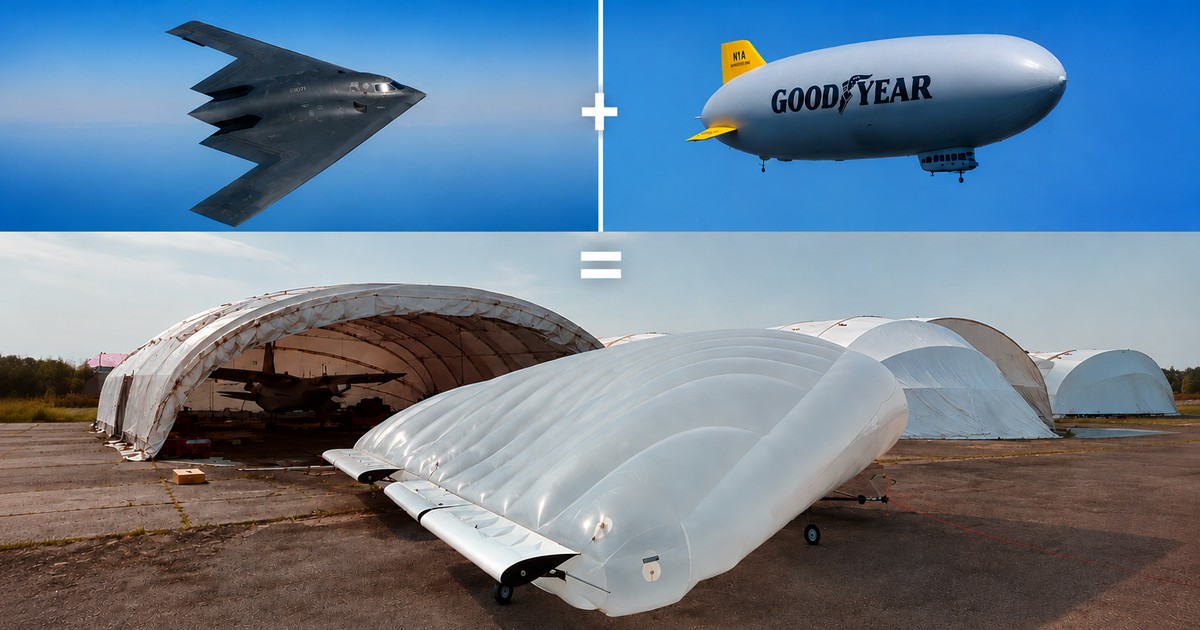
Drone dAS10 was designed and built by French start-up Celeste Ecoflyers. It is an 8-meter-long unmanned aerial vehicle with a classic wing configuration, but its supporting wing is not made of solid spars and a coating made of wood, metal or composites. Instead of the traditional, rigid wing structure, it is used a pneumatic, material structure that maintains its shape thanks to internal air pressure.
As in airships, the skeleton is filled with gas, but in this case it is ordinary airnot light gases such as expensive helium or flammable hydrogen. Therefore lift is not created by buoyancy, but solely by aerodynamicsas in ordinary airplanes due to the airflow around the profiled wings.
Celeste dAS10 drone
|
Celeste Ecoflyers
This approach is expected to produce several practical effects: the wing is flexible and they can be folded and compressed to a small volumeand then inflate anywhere.
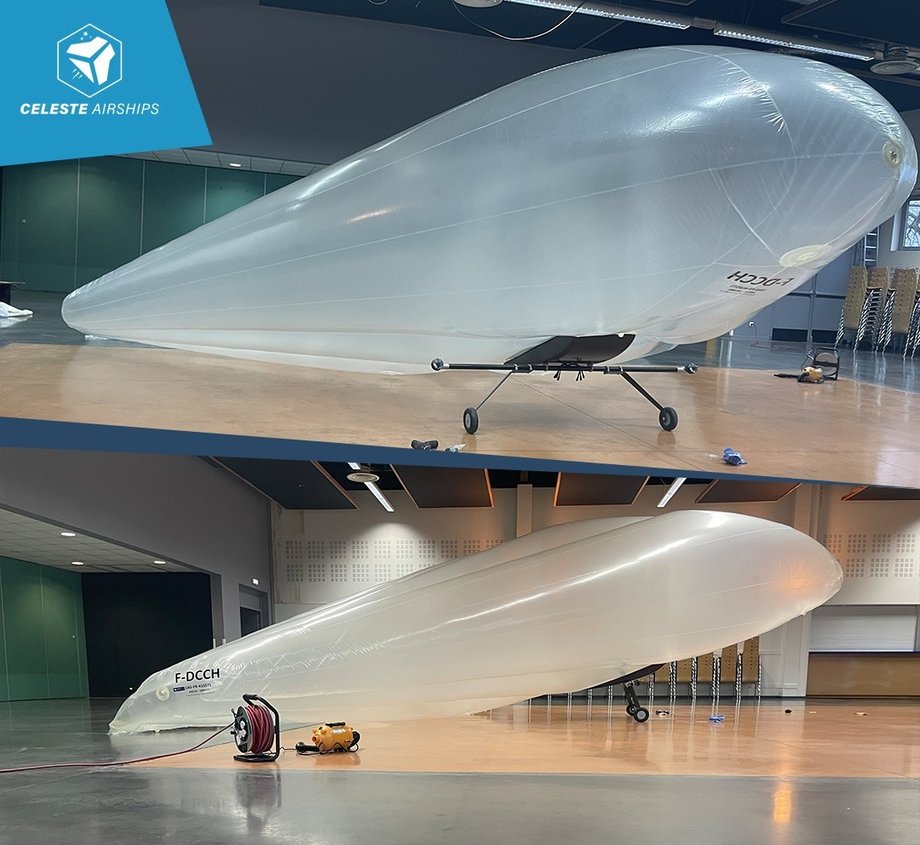
Celeste dAS10 drone in the hangar
|
Celeste Ecoflyers
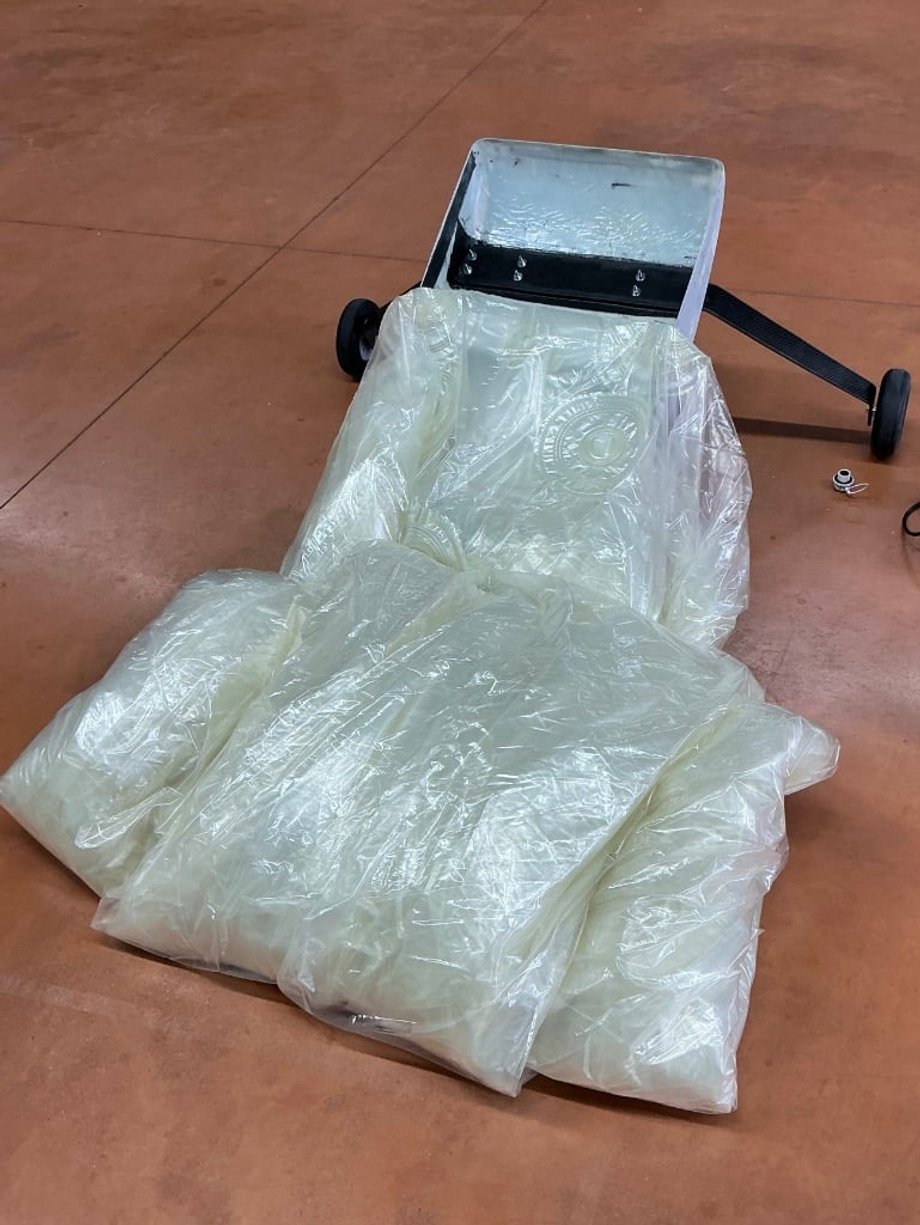
Celeste dAS10 drone after assembly (without drive)
|
Celeste Ecoflyers
In case of engine failure the plane can glide, something virtually no other drone can do. However, in the event of damage to the coating, the repair may be simple patching the holewithout replacing structural elements and then re-inflating. For a platform of this size, the design is too unusual radar signature, which attracts the attention of defense communities.
Tests from avionics to first takeoffs
The first stage included: commissioning and testing of on-board systems on the ground at Le Havre airport. These tests examined the integration of avionics, control, communications and propulsion systems, as well as taxiing and control tests. Collaboration on the systems was carried out by ROAV7's technological partner, a the machine has already been registered in the French civil register as F-DCCH.
The next stage was flight tests. During them, dAS10 performed short take-offs and “jumps” to a low altitude. The flights lasted only a few or a dozen or so seconds and took place at low altitude, but they allowed us to confirm a key thing: the pneumatic wing generates enough lift to keep the machine in the air.
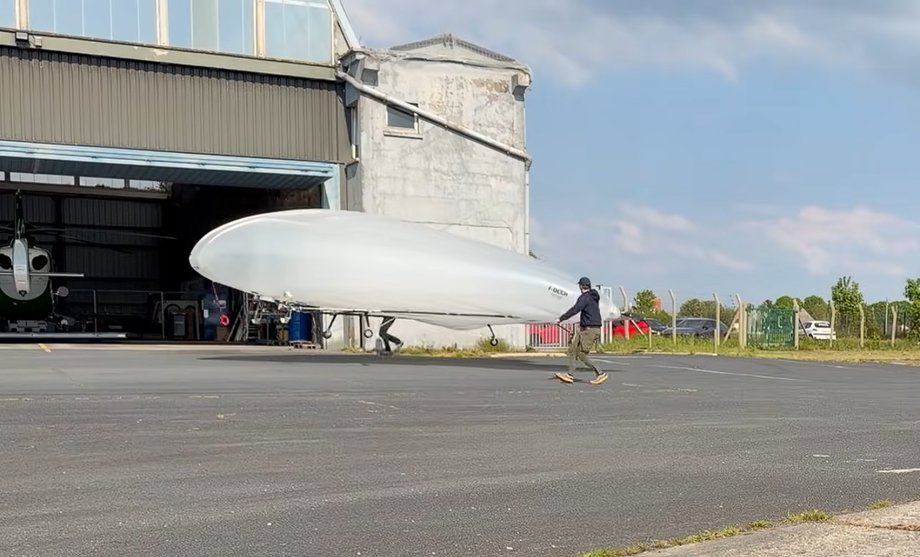
Celeste dAS10 drone during test
|
Celeste Ecoflyers
During these tests, the drone carried ballast weighing more than the structure's own weightwhich, according to the creators, was a positive signal regarding the reserve capacity. The payload was of a test nature, not an operational one – the idea was to replicate the system's operating conditions in future cargo missions.
Parameters and performance
According to data presented by Celeste Ecoflyers, dAS10 has:
- wingspan approx. 8.1 m
- length approx. 8.24 m
- mass 40 kg
- range up to 300 km
- cruising speed 25 km per hour
- battery operating time up to approx. 6 hours
- load capacity approx. 20kg
This shows how large this unmanned aerial vehicle is. For comparison, the popular tourist plane 4-seater Cessna 172, has a wingspan of 11 m and an almost identical length of 8.28 m.
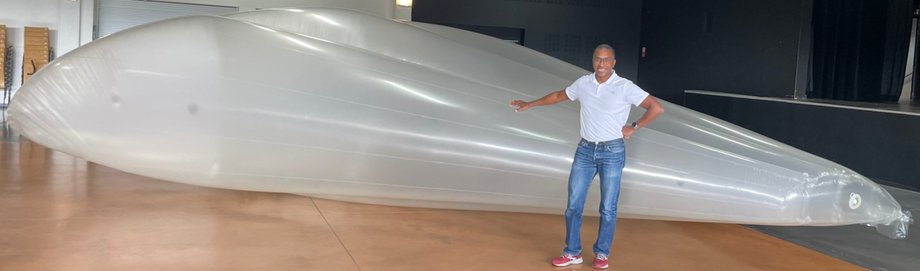
Celeste dAS10 drone – wing size
|
Celeste Ecoflyers
The range of the dAS10 is also admirable, which, according to Celeste, is up to 300 km and the operating time is approximately 6 hours with a load capacity of 20 kg. Virtually no transport drone can even come close to such performance. Although, considering the dimensions of the drone, the 20 kg payload may be disappointing. Unfortunately, these are hypothetical values that cannot be verified, as we write about in the summary.
Celeste dAS10 drone in the hangar
|
Celeste Ecoflyers
Importantly, low speed is a deliberate element here — the design has been optimized for maximum reduction in energy consumption. Celeste calculated that reducing the drone's speed from 200 km per hour up to 25 km per hour allows for 64 times reduction in energy consumption on a 100 km route. In many cases, e.g. inspections, the flight may also be slow advantage. In addition, the drone is quieter than typical drones, and can periodically move almost silently, gliding.
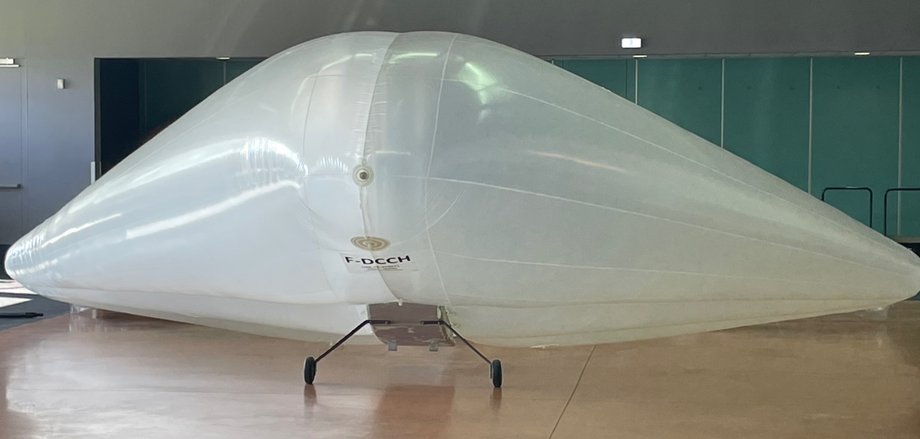
Celeste dAS10 drone from the front
|
Celeste Ecoflyers
Integration is also being considered solar panels on the upper surface of the wingwhich under the right conditions could extend flight time significantly beyond the standard battery limit.
Military applications and context
There is also a military thread in the materials and analyzes regarding the project. It is indicated that:
- a small drone with an unusual radar signature may be more difficult to clearly classify
- the low-mass design has less destructive potential if intercepted
- the ability to operate from random, unprepared places may be important in front-line logistics
At the same time, limitations are highlighted: design assumptions, low speed, susceptibility to damage, and sensitivity to weather conditions may significantly limit use in dynamic operations.
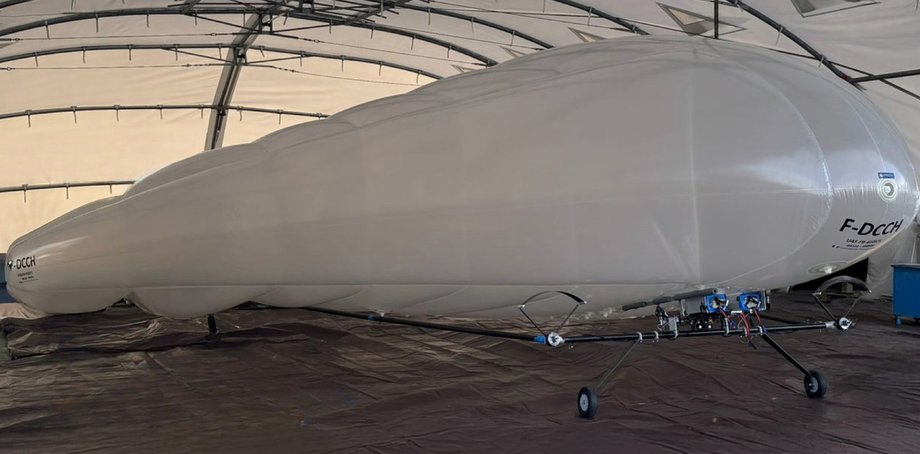
Celeste dAS10 motorized drone
|
Celeste Ecoflyers
Development stage
At this stage, dAS10 remains a prototype after first ground tests and short flight tests. The next steps include extending flight time, stabilizing behavior in various conditions, and preparing for full cargo missions.
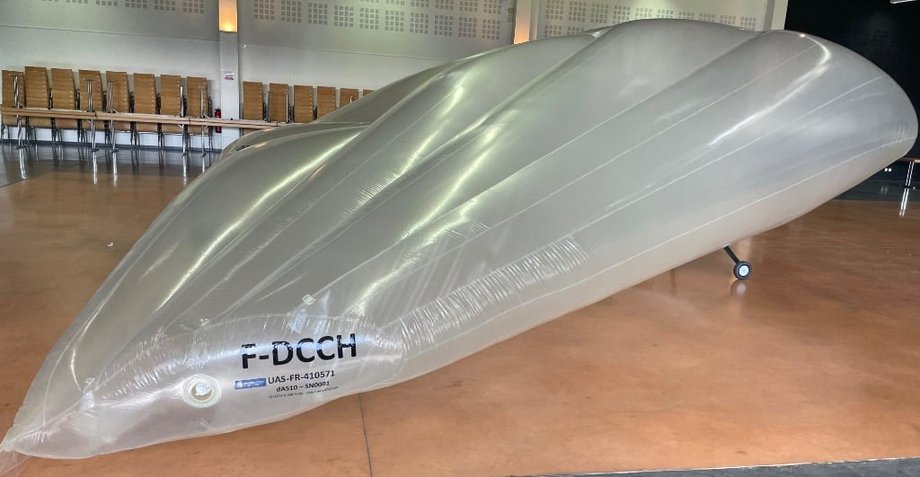
Celeste dAS10 drone after unfolding (without drive)
|
Celeste Ecoflyers
The company assumes further tests and development of the system towards operational certification within the European UAS framework (Unmanned Aerial Systems).
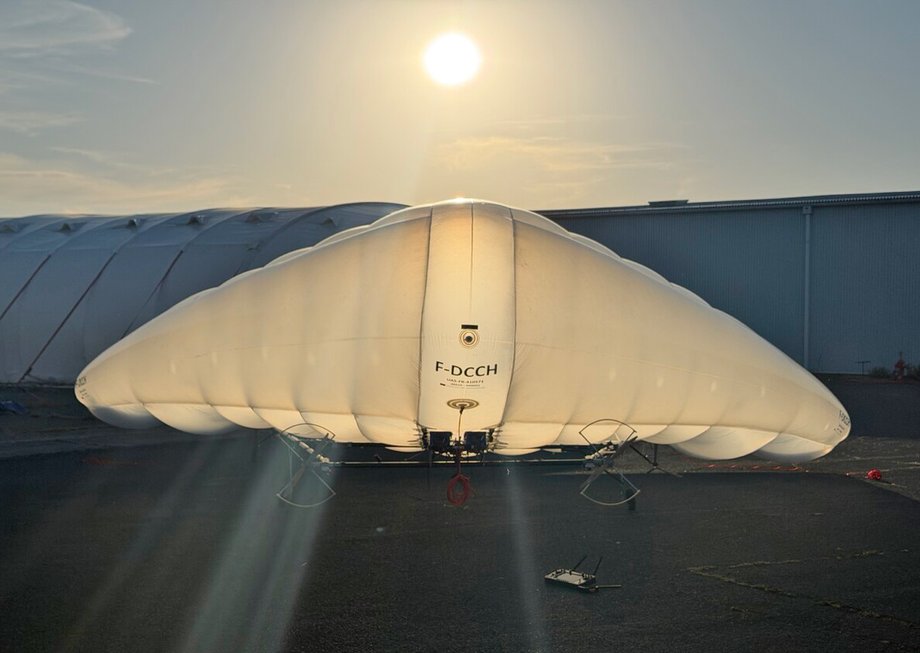
Celeste dAS10 drone from the front
|
Celeste Ecoflyers
The entire project is part of a broader attempt to change the way we think about transport drones – not as fast “mini-planes”, but as slow, extremely economical logistics platforms that they are intended to work where classic drones are too expensive or too complicated.
Doubts
The start-up Celeste Ecoflyers has been operating since 2023. However, despite three years of development, the project is still at a very early stage. It's rather proof of concept (so-called proof of concept) than an actually working prototype – it can't even fly in the air for more than a few seconds.
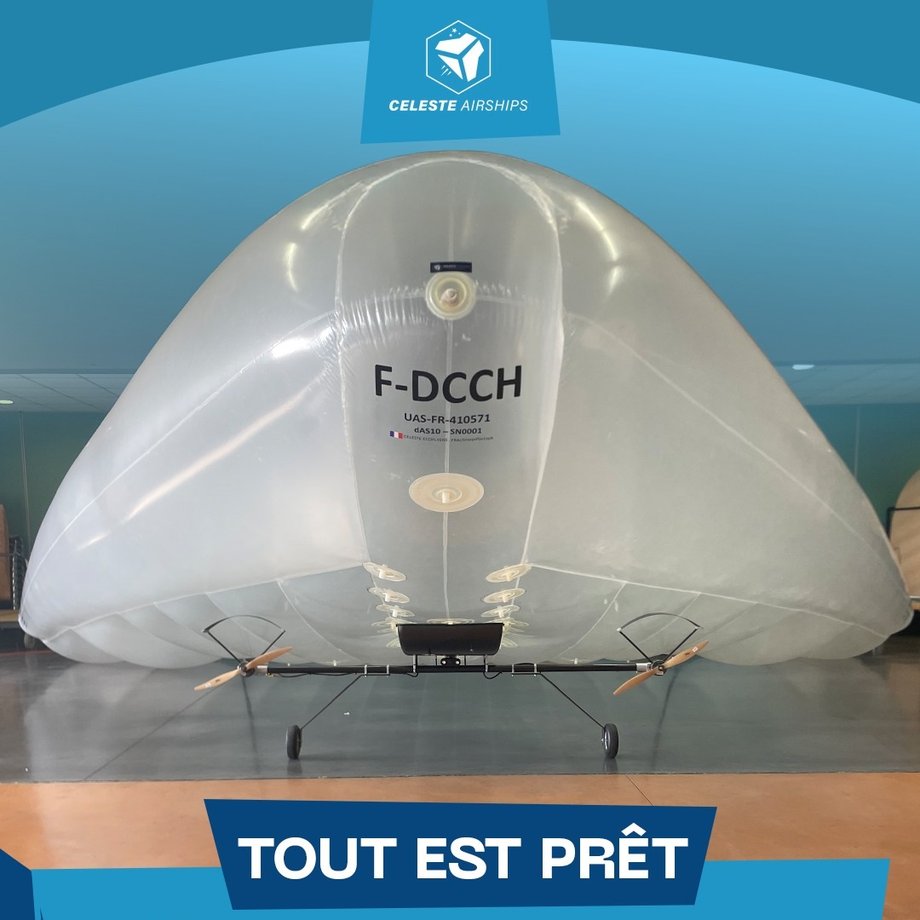
Celeste dAS10 drone – are you sure everything is ready?
|
Celeste Ecoflyers
In our opinion, the design of the project has obvious flaws. In the absence of a rigid structure internal pressure is the only factor ensuring the aerodynamic shape of the wing. Damage i leakage wings during flight (even in civilian conditions) will make the air go out of the balloonand this will lead to a change in the wing profile and complete loss of aerodynamic lift. Even with the engines running, it would be downright catastrophic.
Low weight combined with low speed it also creates great susceptibility to wind, a a simple gust can lead to a stallinability to regain controllability and lift. Additionally no vertical take-off possible and very low controllability compared to typical drones, they also seem to have significant limitations. Although the start-up shows a vision in which the drone lands on rooftops, in practice this seems unlikely, especially in windy conditions.
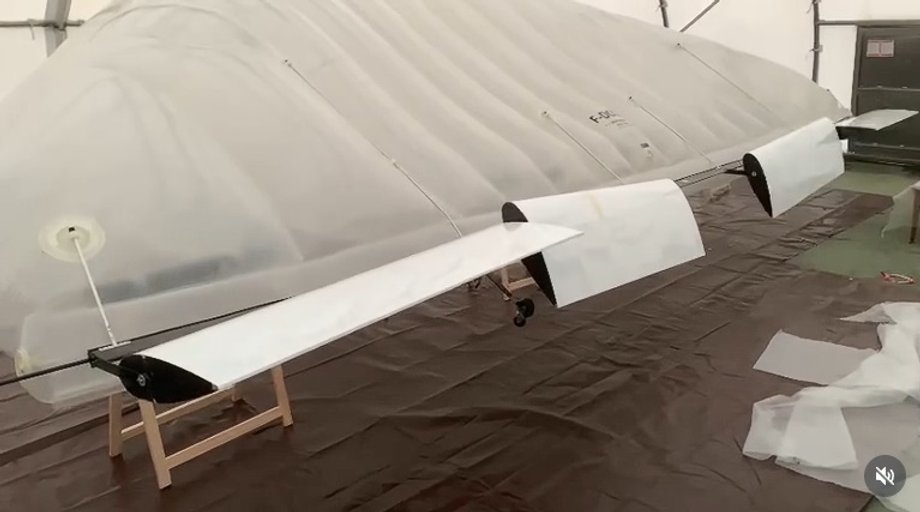
Celeste dAS10 drone – control
|
Celeste Ecoflyers
Celeste's drone capabilities raise considerable reservations. According to the start-up, the dAS10 range is up to 300 km, operating time is approximately 6 hours, and the cruising speed is 25 km per hour. This purely hypothetical and very optimistic estimateswhich cannot be verified in any way. Even with these values we do not know how the drone would be able to cover such a distance (25 km per hour x 6h = 150 km, not 300 km). Unless half the route is flown with the engines turned off, and the entire flight takes much twice as long. Moreover, currently presented dAS10's capabilities, although still only wishful thinking, have already been significantly reduced compared to those declared just a year agoamong others range of 700 km and flight time of up to 24 hours.
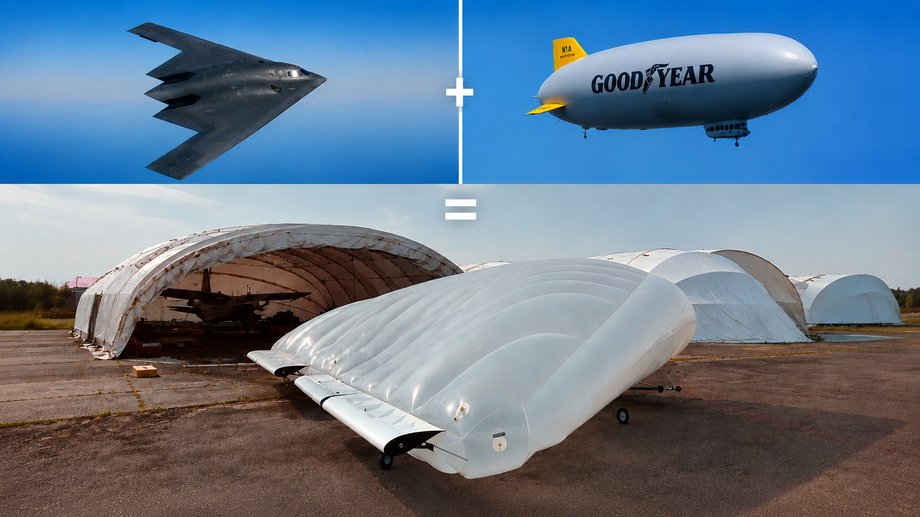
Celeste dAS10 drone – a combination of a B2 bomber and an airship
According to Celeste's presentation, the drone uses only 23 kWh of electricity in 24 hours of operation, compared to 96,000. kWh of energy consumed by the aircraft. This means a reduction in energy consumption by 99.98%. But this is populist extreme comparison of an inflatable drone to a 10-passenger airliner with much greater possibilities and completely different applications.
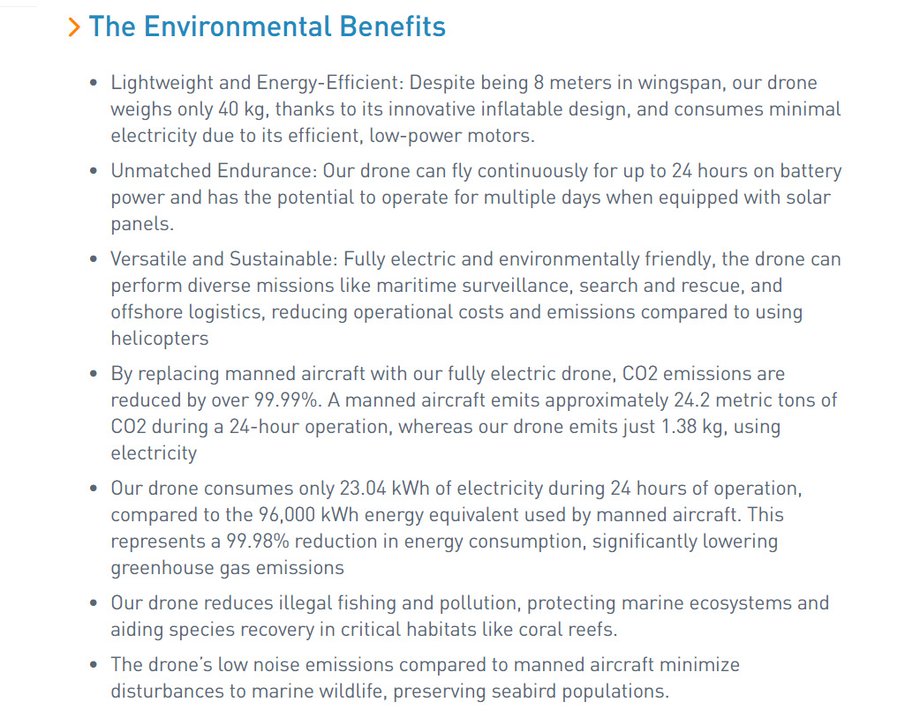
Celeste dAS10 drone – advantages for the environment. According to Celeste, the drone, although it cannot fly yet, is already reducing illegal fishing and air pollution
|
Solar Impulse Foundation
Celeste also predicts the price of your inflatable drone at “less than 100,000 euros”, adding: “while a manned surveillance aircraft can cost between EUR 2 and 5 million, which makes its purchase up to 50 times more profitable,” he adds. Ignoring the logic and different capabilities of your drone compared to current reconnaissance drones on the market.
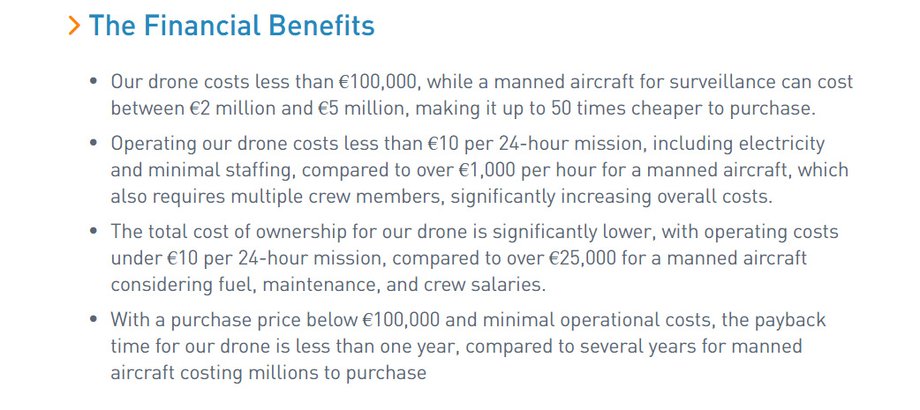
Celeste dAS10 drone – economic advantages – Celeste calculations, where, among others, in 10E/24h it omits the operator's remuneration, but it is already mentioned in the case of competitive drones
|
Solar Impulse Foundation
You can buy a reconnaissance drone on Aliexpress 3 times cheaper:
- Read also: Kamikaze drones available for purchase online as 'pesticide sprayers'. Delivery possible to Poland
Graphics promoting the drone and its applications also look interesting:
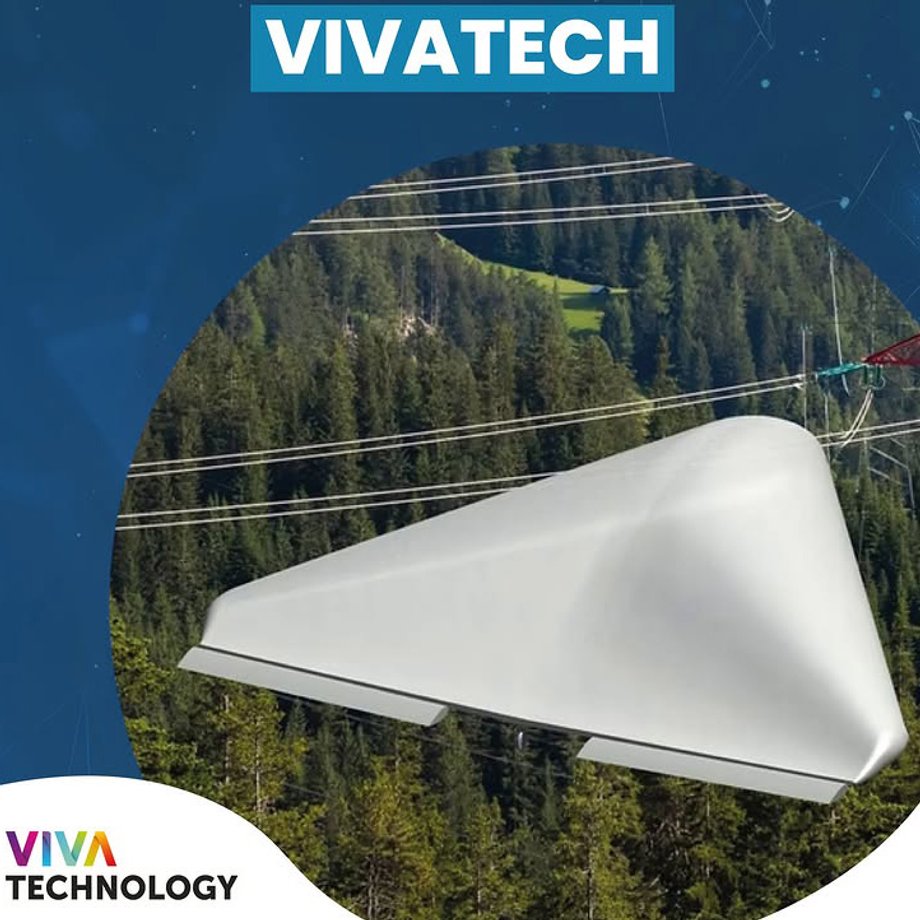
Celeste dAS10 drone – an 8-meter drone with limited controllability flies straight into high-voltage lines
|
Celeste Ecoflyers

The Celeste dAS10 drone – a balloon filled with air, is intended to be used in blasts of heat to monitor fires
|
Celeste Ecoflyers

Celeste dAS10 drone – a balloon filled with air in the vacuum of space
|
Celeste Ecoflyers