Ten African countries are at risk of being affected by the Ebola virus, in addition to the Democratic Republic of Congo (DRC) – the epicenter of the epidemic – and Uganda, the health agency of the African Union (Africa CDC) warned on Saturday, reports AFP, taken by Agerpres.
“We have 10 countries at risk” of being affected, said Africa CDC president Jean Kaseya in a press conference. These countries are South Sudan, Rwanda, Kenya, Tanzania, Ethiopia, Congo, Burundi, Angola, Central African Republic and Zambia.
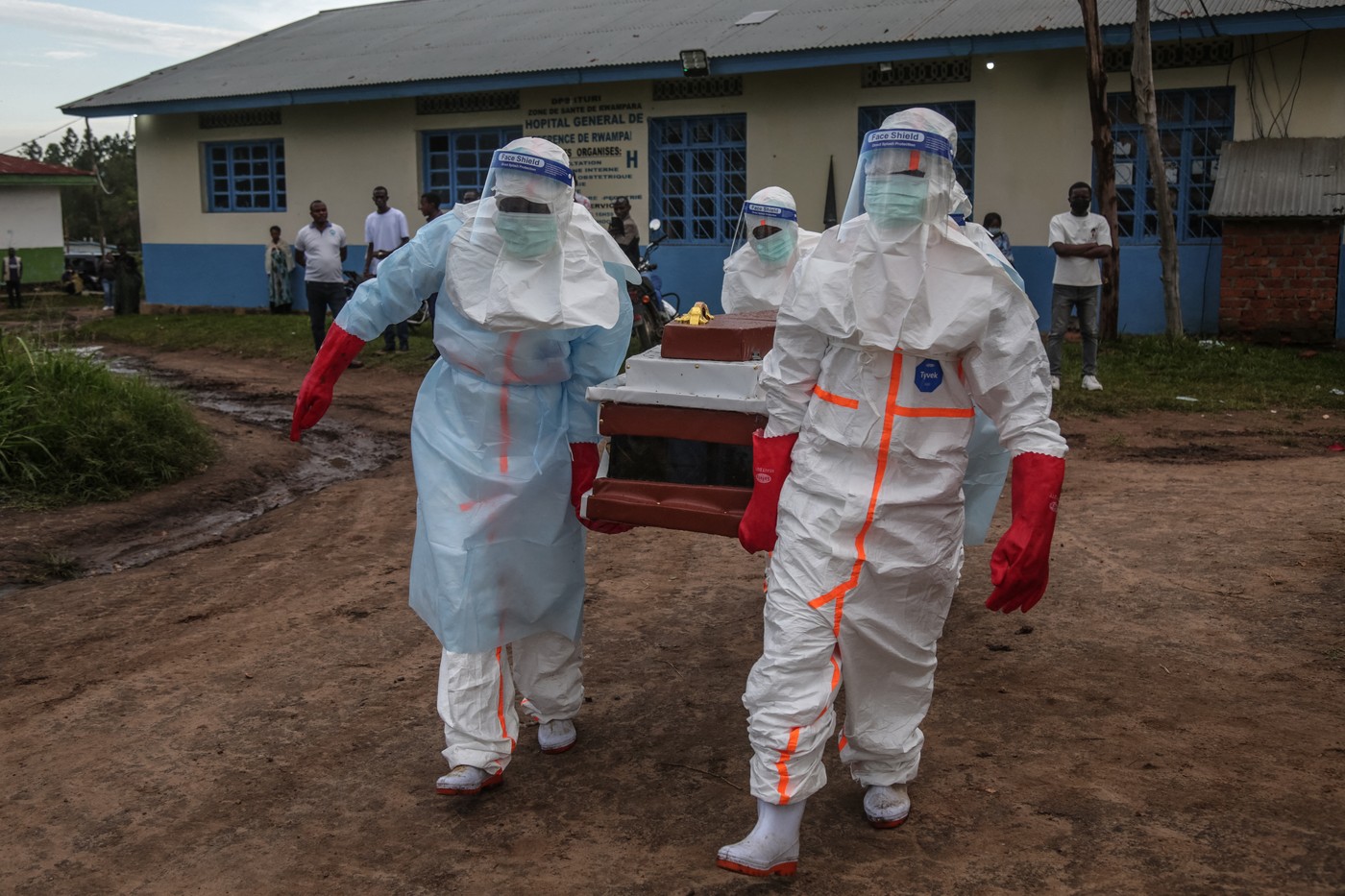
Almost 750 suspected cases of Ebola and 177 suspicious deaths have been reviewed in the DRC, a country with a population of 100 million inhabitants, where the epidemic is “spreading rapidly”, the World Health Organization (WHO) warned on Friday.
The current epidemic, the 17th to affect the DRC, “is the second largest that we know of worldwide,” added Jean Kaseya.
“Very high” risk in DR Congo
The Ebola epidemic in the Democratic Republic of Congo (DRC) now represents a “very high” risk, the maximum alert level, compared to the previous “high” level, the director of the World Health Organization (WHO) announced on Friday.
“Previously, WHO had assessed the risk as 'high' nationally and regionally and 'low' globally. We have revised the risk assessments and classified them as 'very high' nationally, 'high' regionally and 'low' globally,” he added. “Very high” is the highest risk level, a WHO spokesman told AFP.
Ebola causes a deadly hemorrhagic fever, but the disease virus, which has killed more than 15,000 people in Africa over the past 50 years, is less contagious than SARS-CoV-2 (which causes COVID-19) or the measles virus.
In the absence of a vaccine and an approved treatment against the Bundibugyo strain of the virus, responsible for the current epidemic, the measures aimed at limiting the spread of the disease are mainly based on compliance with sanitary prevention rules and on the rapid detection of cases.