The case of the Cenai murder: A Romanian criminologist in the UK talks about “a false theme that puts under the rug the real causes of violence”, after the murder of Mario

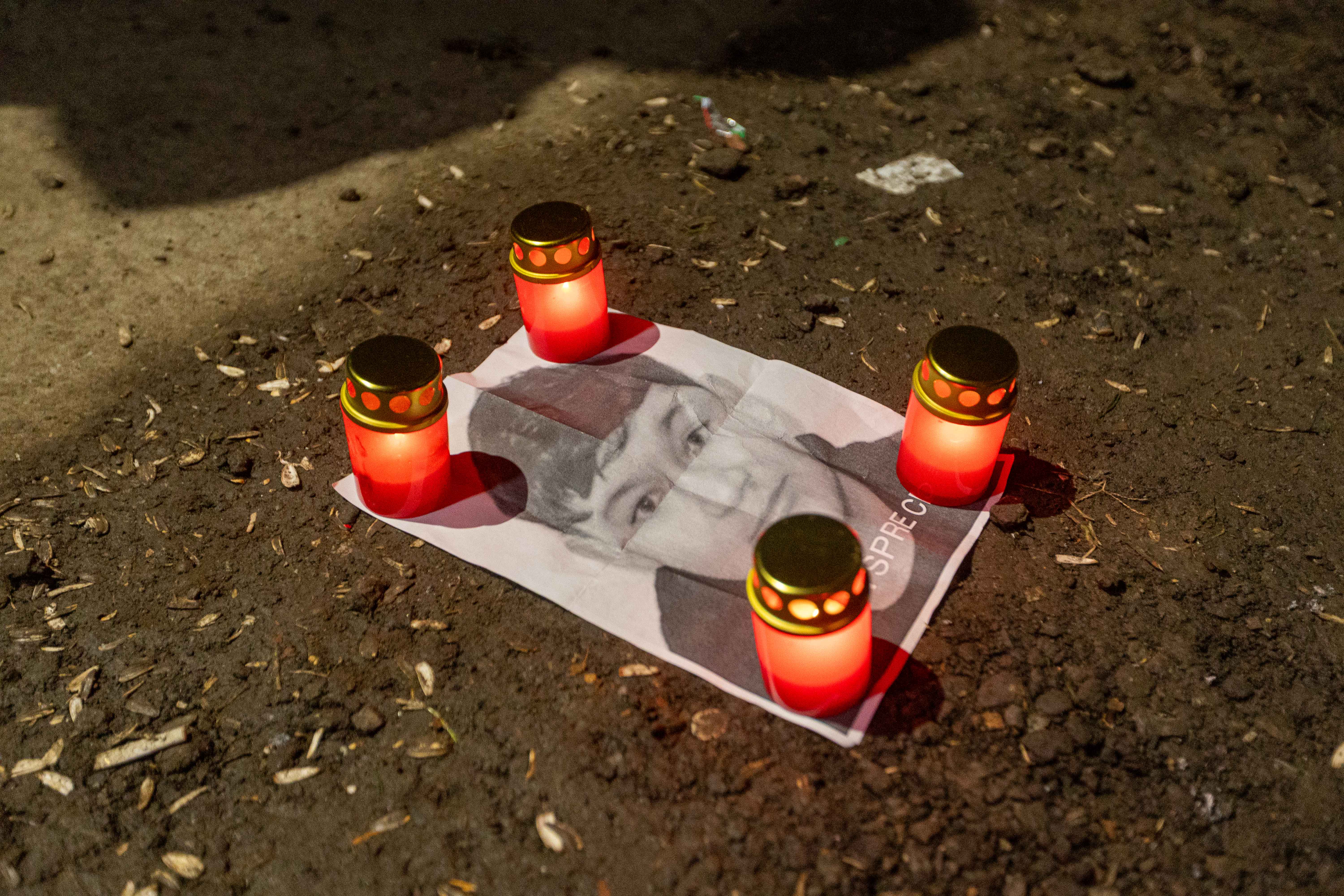
Violence is “a disease that is acquired through exposure,” believes UK-based criminologist Dan Rusu. He talks, in the case of the Cenai murder, about a combination of factors, such as “street code” and “group membership”, while he believes that lowering the age of criminal responsibility will not solve such problems.
- Two 15-year-old teenagers were remanded in custody after, together with a 13-year-old minor, who cannot be held criminally responsible, they killed, set fire to and buried a 15-year-old boy. The case sparked riots in the villages of Timiș and shocked public opinion with its violence.
- To understand how a 13-year-old and another 15-year-old can reach this form of violence, HotNews spoke with Dan Rusu, who is a lecturer in criminology at Birmingham City University, where he has been teaching since 2016. Previously, he did his MA in Psychological Science at the University of Glasgow.
“In an ideal scenario, these children would have been identified in time by specialized teams from the community or school and integrated,” says criminologist Dan Rusu, for HotNews.

He mentions specific programs, such as a Risk/Needs assessment, where children like the three accused of killing Mario are helped before they become criminals.
How do teenagers end up committing violent acts? “Most of the time they have difficulties in school, they come from disadvantaged communities and they have internalized a code of the street that encourages confrontation and conflict resolution through violence,” replies criminologist Dan Rusu.
The “code of the street” that the criminologist invokes is an important element in such actions, because it “gives a sense of status and identity.”
He also talks about “a history of emotional abuse and neglect in childhood, psychological dysfunctions (such as an inability to identify and regulate one's emotions, or to develop empathy).
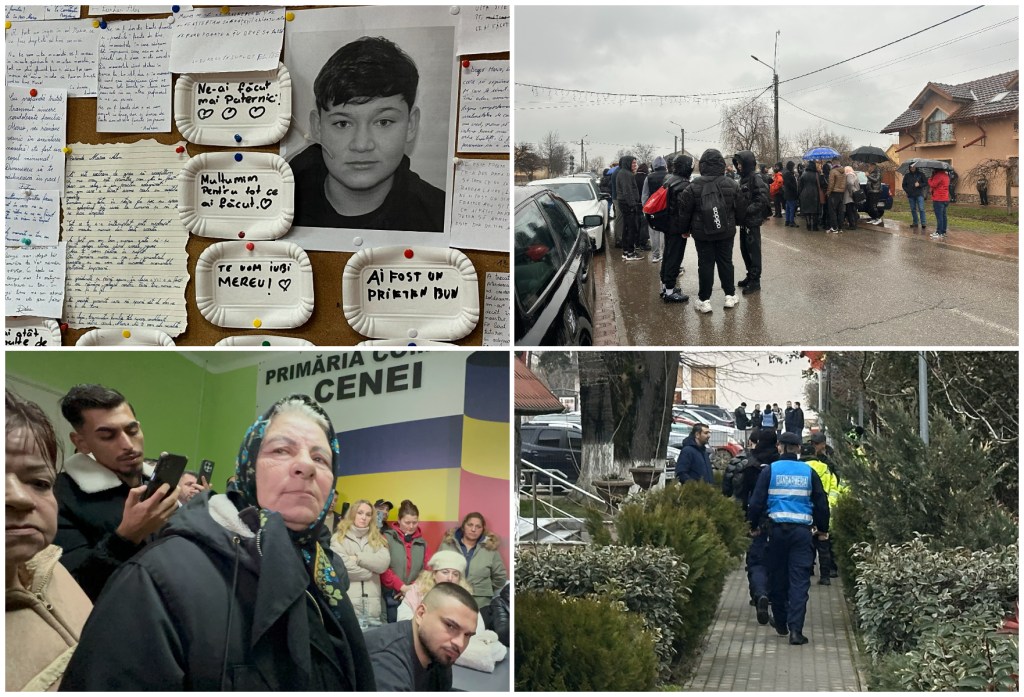 VIDEO Cena's case: “I was locked in the house with the children”. Report from Timiș after Mario's death: other parents describe threats and how the perpetrators also beat their son
“The group provides disinhibition”
In the case of the Cenai crime, the criminologist believes that it was also a “loss of self-identity in favor of the group”. According to the criminologist, this group provided “psychological disinhibition”. In a state of “de-individuation”, the aggressor no longer acts according to his own values, but under the influence of the collective.
“Some teenagers tend to be interested in their public image, group membership, status and reputation, and these elements are often more important and present in their minds than the consequences of their actions.”
The Romanian criminologist also talks about the observations made by the American psychiatrist James Gilligan, who wrote a series of volumes called “Violence”, based on the observations he made during the 25 years he spent in prisons in the United States.
Gilligan spoke of murder “as a method of replacing shame with pride in the absence of self-esteem and the psychological resources to overcome the perception of humiliation,” Rusu recalls.
Gilligan's explanation is all the more important in discussions about social class or envy, also applied in the case of Mario's death, the Romanian criminologist believes. According to local media, the three youths said they were envious of Mario because he had an electric scooter and an ATV.
Violence, “a disease acquired through exposure”
Criminologist Dan Rusu argues that violence, which he says should be treated as a public health problem, “is a disease that is contracted through exposure.”
“And age is a vulnerability factor. It is transmitted through social learning and its effects on the brain and psychology of children and adolescents,” he believes.
“Once we understand this, we are obliged to look for remedies, treatment and proven ways of prevention. Moreover, we can move the problem of violence from the court of public order institutions to a larger court, where the education system, the medical system, social services, psychological and non-governmental organizations should fit”, he added.
He also names “antibodies” that can be developed to defeat violence:
- internalizing a stable attachment figure
- validation of experiences
- the development of self-esteem
- counseling children with addictions
- trauma-informed interventions
- support for parents tackling school dropout
Lowering the age of criminal responsibility “undercuts the real causes of violence”
At the same time, the criminologist says that the debate about the age required for criminal liability has divided society into two: those who seek the solution in justice and those who see it in social assistance.
So far, approximately 300,000 people have signed the petition that wants to introduce criminal liability from the age of 10 for murder, and the Minister of Justice, Radu Marinescu, has announced that he has created a working group to analyze “the opportunity and necessity of amending the legislation regarding the criminal liability of minors”.
The criminologist says, however, that those who propose lowering the age of criminal responsibility “consider that once there are punishments in the traditional sense, people will respond predictably based on the principle of conditioning and reason”. But this will not happen, he believes. Criminal liability did not prevent 15-year-olds from being accomplices to murder.
“For me, it's a false theme that sweeps the real causes of violence under the rug,” emphasizes Rusu.
Scotland can be an example
It provides, however, a better example for the prevention of cases of violence among minors – mentoring programs.
In 2006, Glasgow was the homicide capital of Europe, and today Scotland has its lowest rate since 1976, the expert says. “Scotland is a real success story that we can learn a lot from,” he adds.
The Scots focused on mentoring programs in schools, education, provided addictions counselling, social support for families, especially where there was domestic violence, while the police concentrated their resources in high-violence areas and emphasized prevention.