We want to produce more oil: Unequivocal message from the United Arab Emirates after leaving OPEC

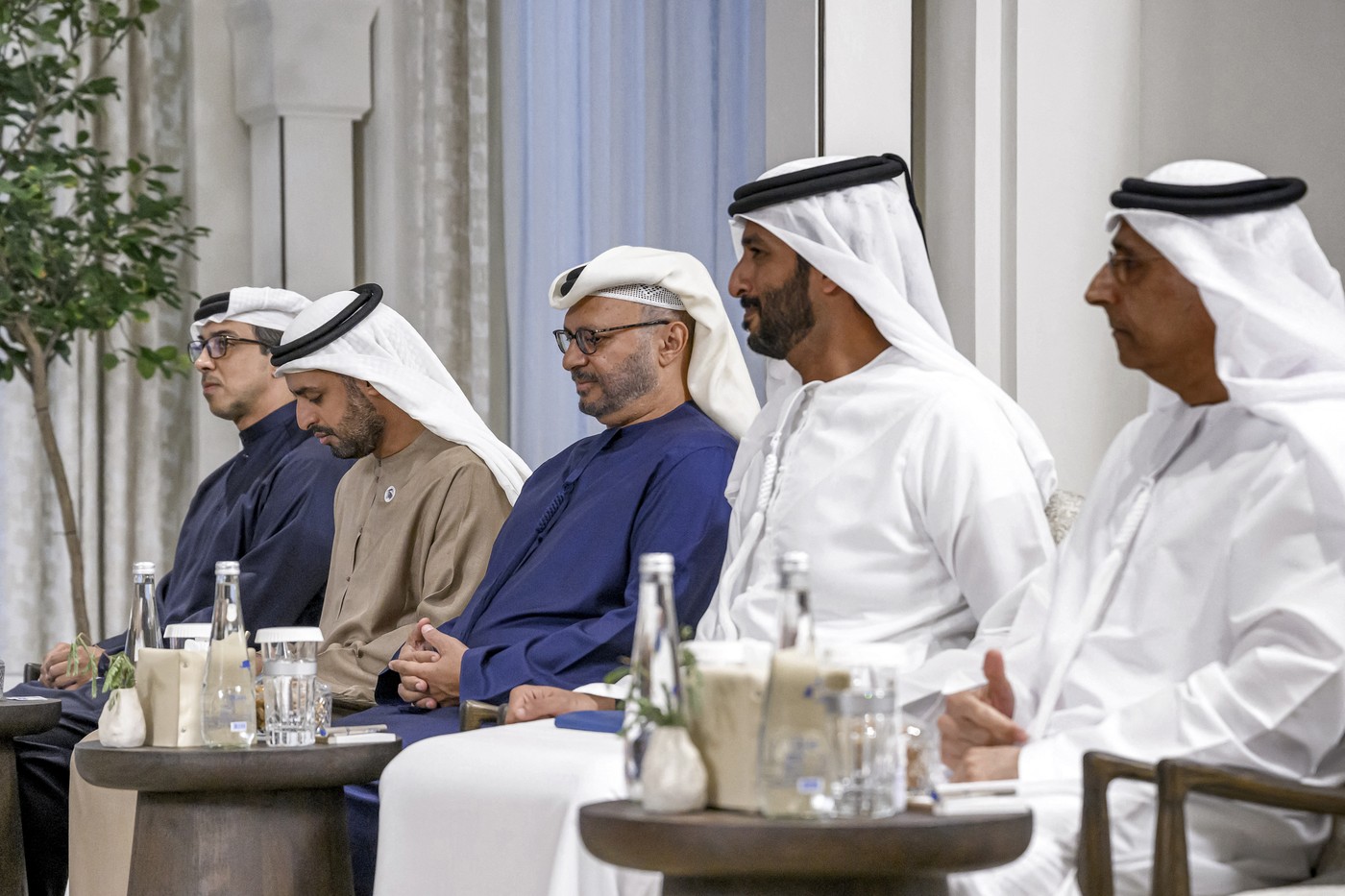
A senior adviser to the president of the United Arab Emirates confirmed on Friday that the country's decision to leave the OPEC group of oil producers was made with the intention of increasing production beyond the quotas set by it, reports Reuters.
Anwar Gargash, diplomatic adviser to Sheikh Mohamed bin Zayed Al Nahyan, president of the United Arab Emirates, said the decision to withdraw from OPEC, announced last month, had been three years in the making.
Speaking at the Globsec conference in Prague on Friday, Gargash said the Abu Dhabi government's decision was based on the belief that the world is approaching the “autumn of the hydrocarbon era”, meaning the Gulf state must maximize its oil revenues while it still can.
On May 1, the United Arab Emirates officially left OPEC, an organization they have been a part of for almost 60 years.
How many barrels of oil does the United Arab Emirates produce daily
Reuters notes that in the short term the decision is unlikely to affect the market due to Iran's closure of the Strait of Hormuz, but it could have a major impact on OPEC's control over supply when oil flows normalize.
Gargash also stated that the country's withdrawal was mainly due to the fact that production quotas imposed by OPEC kept production well below actual capacity.
“We believe we are close to a sort of autumn of the hydrocarbon era,” the Emirati official said. “And accordingly, if you have the ability to produce and generate revenue and use that revenue for other investments, that's what you should do,” he stressed.
The UAE's production capacity is 4.85 million barrels per day. The country plans to raise it to 5 million barrels per day by 2027. Even before its withdrawal from OPEC and the expanded OPEC+ group, which also brings together other oil producers led by Russia, its production target was closer to 3.5 million barrels per day.
The Gulf state assures former partners that it will be a responsible oil producer
Suhail Al Mazrouei, the UAE's energy minister, said earlier in May that the Gulf state believes it owes it to its investment partners to produce without restrictions what global oil markets demand.
Both he and the general manager of the Emirates state oil company said the decision was not directed against anyone and that the country would be a responsible producer that would continue to collaborate with other states.
“I am confident that we will work with many countries, including OPEC and OPEC+ members… We left on good terms,” Mazrouei told the Make It In The Emirates conference.
Asked about the lack of public reaction from OPEC and Saudi Arabia, Mazrouei said: “The group has been relatively calm about this decision. Everyone understands that it is a sovereign decision and that the UAE will be a responsible producer.”
But Reuters recalls that Saudi Arabia and the United Arab Emirates, two former allies, have become rivals in recent years, having differences not only over oil policy, but also over regional geopolitics and attracting foreign talent and capital.
Tensions flared earlier this year when fighting erupted in Yemen between opposing factions supported by each of the two sides.