In a review published in 2026 on rethinking the cost elements of electricity, Dr. Lars Schernikau x-rays these costs for different energy sources, explaining the essential difference between average cost of energy (LCOE) and total cost of electricity (FCOE).
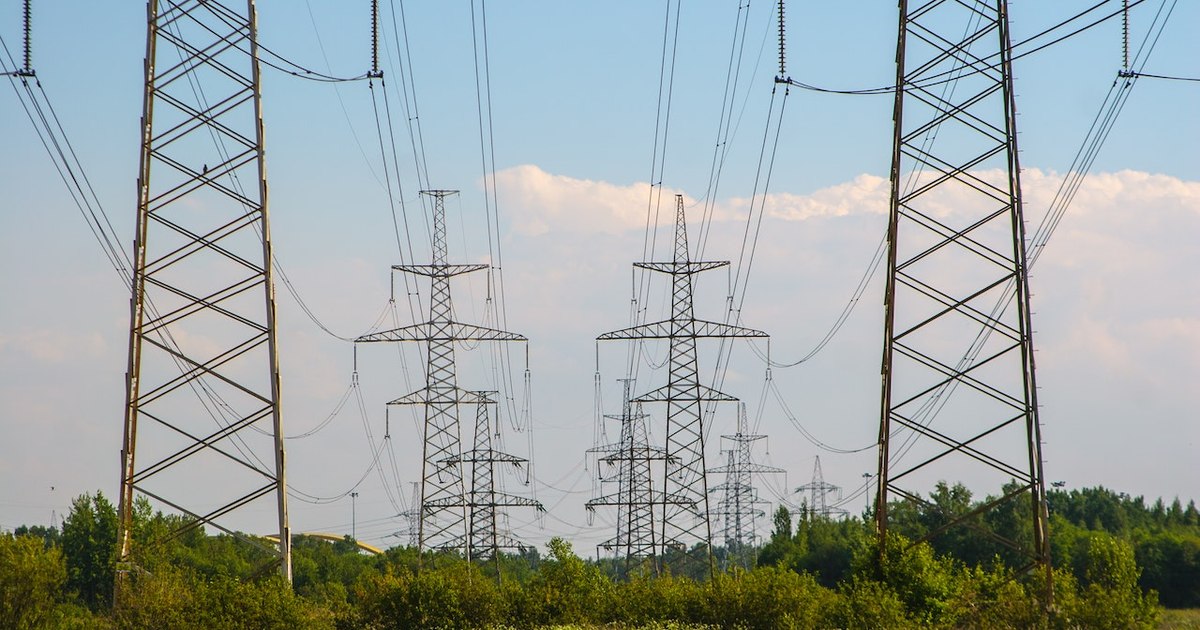
There are various indicators used to measure the cost of electricity. Archive photo
Schernikau cites the OECD and UNECE, noting that the LCOE for wind and solar is only a fraction of total system costs, while non-renewable resources (coal, gas, nuclear, hydropower) have a relatively high LCOE but the same total system cost in a cost-optimized energy system.
The author explains that there are various indicators used to measure the cost of electricity, ranging from the simple to the more complex, the most used in comparisons being the average cost of energy (LCOE). But it focuses exclusively on plant-level costs, taking a “micro” view of cost elements and not including system costs such as balancing, grid integration, transmission or storage.
At the opposite extreme, the total cost of energy (FCOE) includes the full real cost of energy. In addition to storage, backup, transport and network integration costs, it takes into account raw material costs, embodied energy, net energy yield, as well as environmental, waste disposal and space use costs.
Schernikau's conclusion is that the LCOE is insufficient and incomplete, calling into question the analyzes on which the energy transition is assessed.
“One of the main reasons why coal, gas, nuclear and hydropower remain central to electricity grids – among the most complex systems on Earth – is that thermal power plants provide the physical stability necessary for their reliable operation, and their high rate of energy price capture illustrates this,” the author says.
The analysis indicates that domestic lignite has the lowest total cost in Germany, at around EUR 35/MWh without CO₂ and EUR 120/MWh with CO₂. Even with the inclusion of CO₂ costs, lignite remains the cheapest option. Coal, gas and nuclear energy follow with 81, 95 and 133 EUR/MWh without CO₂ respectively. Solar energy is the most expensive, reaching EUR 374/MWh in Germany. Even without the additional system costs and without the capture rate adjustment, it remains the most expensive at €128/MWh without CO₂.
(source: https://unpopular-truth.com/2026/04/25/rethinking-the-cost-of-electricity/ )
Romania benefits from a balanced energy mix. Low-carbon sources are expected to account for around 61% in 2025. Nuclear energy currently accounts for around 20% of this total and will remain one of the central pillars of decarbonisation and security of supply.
The development of the nuclear sector is a fundamental element of the energy strategy and the National Integrated Energy and Climate Change Plan (NECP). Projects such as the upgrading of Unit 1, the development of Units 3 and 4 and the implementation of small modular reactors (SMR) are considered strategic for Romania and the region, contributing to energy security, price stability, industrial competitiveness and economic growth.
In the context of the European Union's efforts to increase competitiveness and resilience, nuclear energy is seen as a scalable, safe and economically efficient source. Romania has over 60 years of experience in the field, a well-trained workforce and a consolidated internal supply chain.
At the same time, Romania is part of the European Nuclear Alliance, a group of states that support the development of new nuclear projects at the level of the European Union.